Outdoor spaces offer an opportunity to extend living areas beyond interior walls, and a well-designed outside nook can transform even a small corner into a functional and inviting retreat. On Pinterest, outside nook ideas are widely shared because they combine relaxation, creativity, and efficient use of space. These setups are designed to provide comfort while maintaining a structured and visually balanced environment.
This article presents ten creative ideas that help convert outdoor areas into purposeful nooks. Readers will learn how to plan layouts, select appropriate materials, and execute each concept using clear step by step methods. Each idea focuses on practical use, whether for reading, dining, or quiet relaxation, while maintaining a cohesive home decor approach.
These DIY projects are useful for patios, balconies, gardens, or small yards. They are designed to be beginner friendly and adaptable to different space sizes. With proper planning and attention to detail, each outdoor nook can become a functional extension of the home while maintaining an aesthetic and organized appearance.
Why This Idea Is Trending or Useful
Outside nook ideas are trending because outdoor living has become an essential part of modern home design. Many people seek ways to use available exterior space efficiently without requiring extensive construction. Pinterest ideas in this category highlight how simple adjustments can create comfortable and visually appealing outdoor areas.

The practical value of these ideas lies in their ability to turn unused corners into functional zones. An outdoor nook can serve as a seating area, workspace, or relaxation spot while maintaining organization. This approach aligns with current home decor trends that emphasize multifunctional and adaptable spaces.
These projects also have strong DIY appeal. Most designs use accessible materials and simple tools, making them suitable for beginners. The design relevance is supported by the use of natural textures, neutral tones, and clean layouts that reflect modern design and minimalist style. These creative ideas provide both inspiration and actionable solutions, making them widely applicable for different outdoor settings.
Materials and Preparation
Before creating an outside nook, proper preparation ensures durability and efficient execution. The first step is to assess the available outdoor space, including size, surface condition, and exposure to sunlight or weather. Accurate measurements help determine the scale of seating and decorative elements. Planning should also consider the primary function of the nook, such as relaxation, dining, or reading.
Common materials include weather-resistant wood, metal frames, outdoor cushions, durable fabric, and protective finishes. Additional items such as rugs, planters, lighting fixtures, and storage containers may be used depending on the design. Basic tools include a measuring tape, drill, screws, saw, and cleaning supplies.

Preparation also involves cleaning the area and ensuring proper drainage if needed. Choosing materials that withstand outdoor conditions is essential for long-term use. Budget ideas can be implemented by reusing existing furniture or selecting cost-effective materials.
Organizing materials and outlining each step before starting the project improves efficiency. This structured planning approach supports beginner friendly execution and ensures that the final result is both functional and visually consistent.
MAIN IDEAS
Idea 1: Garden Reading Corner
How to Create
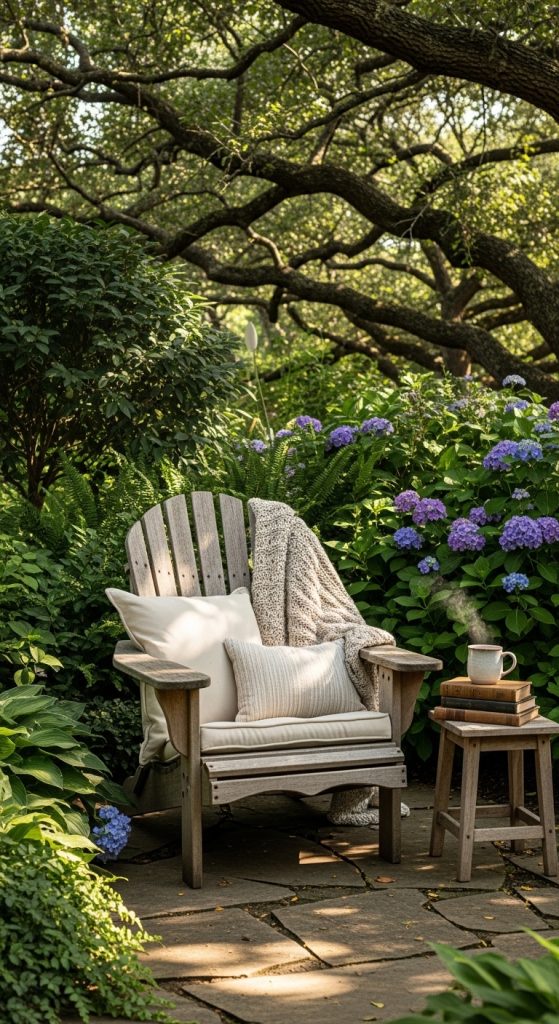
A garden reading corner is designed to provide a quiet and comfortable outdoor space dedicated to reading and relaxation. This idea focuses on integrating seating within a natural environment, allowing surrounding greenery to enhance the atmosphere. The design typically includes a simple chair or bench, soft cushions, and minimal decorative elements to maintain a calm setting.
The placement of this nook is important. It should be positioned in a shaded or partially shaded area to ensure comfort during different times of the day. Natural elements such as plants and small trees contribute to a balanced aesthetic and improve the overall experience. This concept aligns with Pinterest ideas that emphasize combining functionality with natural inspiration.

Step-by-Step Guide
Begin by selecting a suitable location with stable ground. Place a weather-resistant chair or bench and add cushions made from outdoor fabric. Arrange small side tables or surfaces for books and accessories.
Incorporate surrounding plants to create a defined area without overcrowding. Ensure the seating is positioned for optimal light and comfort. This easy project requires minimal materials and provides a practical outdoor retreat.
Idea 2: Patio Corner Lounge
How to Create

A patio corner lounge transforms an unused patio section into a structured seating area. This idea emphasizes comfort and organization while maintaining a modern design. L-shaped seating arrangements are commonly used to maximize space and provide multiple seating options.
The design should focus on durability and ease of maintenance. Neutral tones and simple lines support a minimalist style, while cushions add comfort and texture. This setup is widely used in Pinterest inspiration due to its practicality and clean appearance.

Execution Process
Arrange seating along two adjacent walls or edges to form a corner layout. Use weather-resistant benches or modular seating units. Add cushions and a central table for functionality.
Secure all elements to prevent movement and ensure stability. This creative project is beginner friendly and suitable for various outdoor sizes.
Idea 3: Balcony Relaxation Nook
How to Create
A balcony relaxation nook utilizes limited balcony space to create a calm and functional seating area. This idea focuses on compact design and efficient organization.

The use of lightweight furniture and minimal decoration ensures the space remains open and accessible. Soft textures and natural light contribute to a comfortable environment.

Setup Method
Place a small chair or floor cushion in the corner of the balcony. Add a compact table or shelf for essentials. Use vertical space for plants or decoration.
Keep the arrangement simple to avoid clutter. This project is ideal for small spaces and requires minimal effort.
Idea 4: Outdoor Dining Nook

How to Create
An outdoor dining nook creates a designated area for meals in an exterior setting. This idea combines functionality with a structured layout to support daily use.
The design should include a table and seating arranged to allow easy movement. Durable materials ensure long-term use.

Step-by-Step Guide
Position a small table with chairs in a corner area. Ensure stable placement on a flat surface. Add simple decoration such as plants or lighting.
Maintain cleanliness and organization for usability. This setup supports both practicality and aesthetic appeal.
Idea 5: Hammock Corner Setup
How to Create
A hammock corner provides a relaxed seating option for outdoor spaces. This idea focuses on comfort and simplicity.
The design requires secure attachment points and sufficient space for movement.


Execution Process
Install hooks or supports between two मजबूत structures. Attach the hammock securely. Add cushions if needed.
Ensure proper tension and safety. This beginner friendly project offers a relaxing outdoor experience.
Idea 6: Fire Pit Seating Nook
How to Create

A fire pit seating nook creates a central gathering space for outdoor use. This idea emphasizes warmth and social interaction.
The layout typically includes seating arranged around a fire pit.

Step-by-Step Guide
Place a fire pit in a safe location and arrange seating around it. Use weather-resistant chairs or benches.
Ensure proper spacing and safety measures. This setup enhances outdoor usability.
Idea 7: Covered Pergola Nook
How to Create
A pergola nook provides shade and structure for an outdoor seating area. This idea focuses on creating a defined and comfortable space.
The structure adds visual interest and supports additional decoration.


Setup Method
Install a pergola frame and place seating beneath it. Add cushions and simple decor.
Ensure stability and proper alignment. This project enhances both function and design.
Idea 8: Outdoor Workspace Nook
How to Create
An outdoor workspace nook offers a functional area for work or study. This idea uses natural light to improve productivity.

The design should prioritize organization and accessibility.

Execution Process
Place a small desk and chair in a shaded area. Ensure stable surfaces for work materials.
Keep the setup simple and organized. This project supports efficient outdoor use.
Idea 9: Minimalist Stone Seating Area
How to Create
A stone seating area uses durable materials to create a long-lasting outdoor nook. This idea focuses on simplicity and structure.

The design supports a minimalist style with clean lines.

Step-by-Step Guide
Arrange stone blocks or slabs to form seating. Add cushions for comfort.
Ensure stability and proper placement. This setup is durable and visually consistent.
Idea 10: Seasonal Decor Nook
How to Create
A seasonal decor nook allows the outdoor space to change throughout the year. This idea focuses on adaptability and visual interest.
Different decorations can be used to reflect seasonal themes.


Execution Process
Update decor items regularly based on the season. Use weather-resistant materials.
Store unused items properly. This project supports creative expression.
Common Beginner Mistakes and How to Avoid Them
One common mistake is ignoring weather conditions when selecting materials. Outdoor furniture must be durable and resistant to moisture and sunlight. Another issue is overcrowding the space, which reduces functionality and comfort. Proper planning and spacing help maintain balance.
Incorrect placement can also affect usability. Positioning seating in direct sunlight without shade can make the nook uncomfortable. Measuring space accurately and planning layout prevents these problems.

Practical Tips for Better Results
Use weather-resistant materials to ensure durability. Keep designs simple to maintain organization and ease of maintenance.
Incorporate natural elements such as plants to enhance the aesthetic. Regular cleaning and upkeep improve long-term results.
Styling, Presentation, or Organization Ideas
Use coordinated colors and textures to create a cohesive outdoor look. Arrange furniture in a way that supports movement and accessibility.
Keep decorative elements minimal to maintain a clean and organized space. This approach supports both functionality and visual appeal.

Budget or Time Planning
Plan projects based on available resources and time. Use cost-effective materials and reuse existing items where possible.
Break the project into smaller steps for easier execution. This method supports efficient completion.
Creative Expansion and Advanced Inspiration
Advanced ideas can include combining multiple features such as seating with lighting or storage. Custom designs allow greater flexibility and personalization.
Experimenting with layouts and materials leads to unique results. Expanding simple setups into multifunctional spaces enhances overall usability and design.