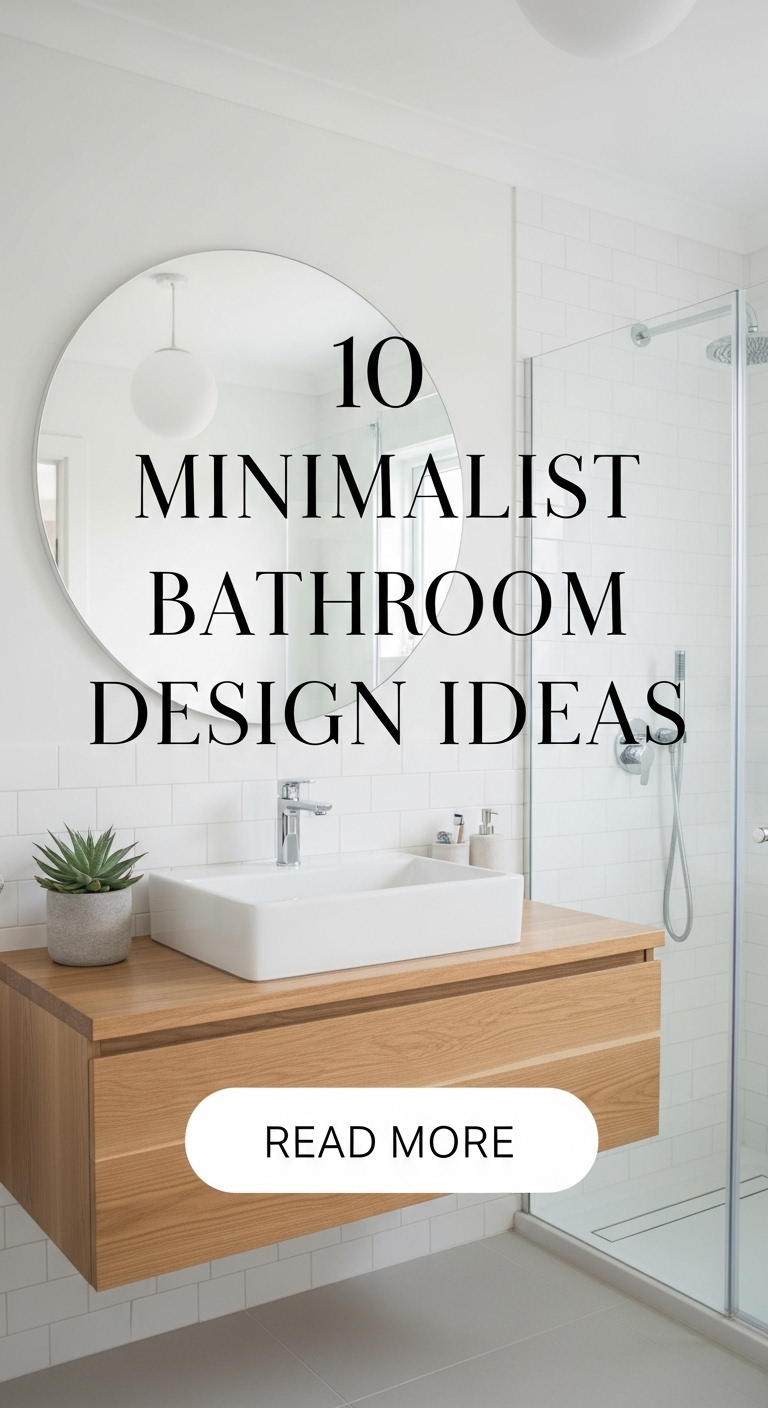
10 Minimalist Bathroom Design Ideas

Minimalist bathroom design focuses on simplicity, functionality, and clean visual balance. It removes unnecessary elements and highlights essential features through structured layout and thoughtful material selection. On Pinterest, minimalist bathroom ideas are widely shared as inspiration for creating calm, organized, and efficient spaces. This design approach works well in both small and large bathrooms by emphasizing clarity, open space, and consistent styling.
This article explains how to create a minimalist bathroom using practical and beginner friendly methods. Readers will learn how to select materials, plan layouts, and apply each concept step by step. The focus remains on achievable DIY techniques that improve both appearance and usability. Each idea is designed to support organization while maintaining a modern design aesthetic.
Minimalist bathroom decor is useful because it simplifies maintenance and enhances daily functionality. By reducing clutter and focusing on essential elements, the space becomes easier to manage and visually balanced. These creative ideas provide clear guidance for transforming any bathroom into a structured and efficient environment using simple materials and careful planning.
Why This Idea Is Trending or Useful
Minimalist bathroom design is trending due to its practicality and compatibility with modern living. Many homeowners prefer clean and uncluttered spaces that are easy to maintain. This style supports efficient organization and improves usability by focusing only on necessary elements. Pinterest ideas often highlight minimalist bathrooms because they combine aesthetic simplicity with functional design.
The practical value of this approach lies in its adaptability. It works in small bathrooms where space is limited and also enhances larger spaces by maintaining visual clarity. DIY tutorials make it accessible for beginners who want to upgrade their home decor without complex construction. The use of simple materials and structured layouts ensures that projects remain manageable and cost-effective.
Minimalist design also supports a calm and organized environment. Reducing visual distractions improves focus and creates a more comfortable daily routine. This makes it a reliable choice for individuals looking to achieve both efficiency and aesthetic balance through a well-planned creative project.
Materials and Preparation
Preparing for a minimalist bathroom design project requires careful planning and selection of appropriate materials. Start by assessing the available space, including wall dimensions, floor area, and existing fixtures. This helps in creating a layout that supports movement and accessibility. Common materials include ceramic tiles, glass panels, wood accents, and neutral-colored finishes. These materials contribute to a clean and structured appearance.
Basic tools required include measuring tape, level tools, tile cutters, adhesive materials, and simple installation equipment. Preparation also involves decluttering the bathroom and removing unnecessary items to create a clean foundation. Planning the color scheme is essential, with neutral tones such as white, grey, and beige commonly used in minimalist style.
Lighting should also be considered during preparation. Even lighting enhances visibility and highlights smooth surfaces. Natural light is preferred, but simple artificial lighting can also be used. Proper planning ensures that each step in the DIY process is executed efficiently and that the final design remains consistent and functional.
Idea 1: Clean White Surface Design
How to Create
A clean white surface design focuses on using a single neutral color to create a bright and open bathroom environment. White surfaces reflect light effectively, making the space appear larger and more organized. This approach aligns with minimalist style principles and is widely used in Pinterest inspiration for its clarity and simplicity.

The concept involves reducing visual distractions by maintaining uniformity across walls, floors, and fixtures. This creates a cohesive and balanced appearance. White surfaces also provide flexibility, allowing subtle accents to be added without disrupting the overall design.
Step-by-Step Guide
Start by selecting white tiles or paint for walls and floors. Ensure that surfaces are smooth and free from imperfections. Apply materials evenly to maintain a consistent finish.
Use simple fixtures in matching tones to maintain uniformity. Keep decoration minimal to preserve the clean aesthetic. This step-by-step process ensures a bright and structured bathroom design.
Idea 2: Floating Vanity Installation
How to Create
A floating vanity is mounted to the wall, leaving space underneath. This design creates a sense of openness and improves floor visibility. It is a key feature in modern design and supports minimalist bathroom layouts.

Floating vanities also enhance organization by providing storage without occupying floor space. This makes them suitable for both small and large bathrooms.
Execution Process
Install wall-mounted brackets to support the vanity. Ensure proper alignment using level tools. Choose a simple design with clean lines and neutral colors.
Keep the area beneath the vanity clear to maintain the open look. This method improves accessibility and supports a clean layout.
Idea 3: Glass Shower Partition
How to Create
Glass partitions separate the shower area without blocking light. This maintains visual continuity and enhances the perception of space. It is commonly used in minimalist bathroom design for its simplicity and functionality.
Glass panels create a clean and modern appearance while supporting efficient water containment.
Step-by-Step Guide
Measure the shower area and install a clear glass panel using secure fittings. Ensure proper sealing to prevent water leakage.
Keep the glass clean and free from heavy framing. This approach maintains transparency and supports the minimalist aesthetic.

Idea 4: Hidden Storage Cabinets
How to Create
Hidden storage cabinets keep essential items out of sight, maintaining a clutter-free environment. This idea supports organization and enhances the overall design.

It aligns with minimalist principles by focusing on functionality without visual distraction.
Setup Method
Install cabinets within walls or behind mirrors. Use simple handles or handle-free designs.
Store items neatly and avoid overfilling. This method ensures a clean and organized bathroom.
Idea 5: Neutral Color Palette Balance
How to Create
A neutral color palette creates a calm and cohesive environment. It uses shades such as grey, beige, and white to maintain visual harmony.

This approach simplifies design decisions and supports a consistent aesthetic.
Step-by-Step Guide
Select a base color and apply it across major surfaces. Use subtle variations to add depth without introducing contrast.
Maintain consistency in materials and finishes. This ensures a balanced and unified design.
Idea 6: Minimal Fixture Selection
How to Create
Minimal fixtures focus on simple shapes and essential functionality. They reduce visual clutter and support a clean layout.

This idea enhances usability while maintaining aesthetic simplicity.
Execution Process
Choose fixtures with clean lines and neutral finishes. Install them evenly to maintain alignment.
Avoid decorative elements that disrupt the design. This method ensures clarity and efficiency.
Idea 7: Open Shelf Organization
How to Create
Open shelves provide accessible storage while maintaining a simple design. They allow easy organization and quick access to essential items.
This idea supports both functionality and visual balance.

Step-by-Step Guide
Install shelves at accessible heights. Use uniform materials and finishes.
Arrange items neatly and limit the number of objects displayed. This ensures a clean and organized appearance.
Idea 8: Large Mirror Placement
How to Create

Large mirrors enhance light reflection and create the illusion of space. They are essential in minimalist bathroom design for improving visibility.
This idea supports both functionality and aesthetic appeal.
Setup Method
Install a large mirror above the sink or vanity. Ensure proper alignment and secure mounting.
Keep the frame simple or frameless. This maintains the minimalist look.
Idea 9: Simple Floor Design
How to Create

A simple floor design focuses on clean surfaces and minimal patterns. It supports easy maintenance and enhances visual clarity.
This approach aligns with modern design principles and improves usability.
Step-by-Step Guide
Select tiles with a uniform color or subtle pattern. Install them evenly to maintain consistency.
Keep the floor free from unnecessary elements. This ensures a neat and functional layout.
Idea 10: Soft Lighting Arrangement
How to Create
Soft lighting creates a calm and comfortable bathroom environment. It reduces harsh shadows and enhances visibility.
This idea supports both functionality and aesthetic balance.
Execution Process

Install evenly distributed light sources. Use warm or neutral light tones.
Ensure consistent lighting across the space. This method improves usability and design clarity.
Common Beginner Mistakes and How to Avoid Them
A common mistake in minimalist bathroom design is adding too many decorative elements, which disrupts the clean and simple layout. To avoid this, focus only on essential items and maintain a clutter-free environment. Another issue is inconsistent color selection, which affects visual harmony. Using a defined neutral palette ensures consistency. Poor lighting placement is also a frequent problem, leading to uneven visibility. Proper planning of light sources improves both functionality and appearance. Ignoring storage solutions can result in clutter, reducing the effectiveness of the design. Incorporating hidden or organized storage helps maintain order. Careful planning and attention to detail prevent these issues and ensure a balanced result.
Practical Tips for Better Results
Maintaining consistency in materials and colors is essential for achieving a successful minimalist bathroom design. Use similar finishes across fixtures and surfaces. Keep the space organized by regularly removing unnecessary items.
Follow a step by step approach when implementing each idea. This ensures accuracy and reduces errors. Using simple tools and structured methods improves efficiency and overall results.
Styling, Presentation, or Organization Ideas
Arrange items in a way that emphasizes symmetry and balance. Use minimal decoration to highlight clean lines and open space. Keep frequently used items accessible while maintaining organization.
Presentation should focus on clarity and simplicity. Avoid overcrowding and maintain a structured layout.
Budget or Time Planning
Minimalist bathroom projects can be completed within a reasonable budget by using basic materials and DIY methods. Planning purchases in advance helps control expenses.
Time management is also important. Completing one section at a time ensures better focus and results. Simple projects can be completed efficiently with proper planning.
Creative Expansion and Advanced Inspiration
Advanced minimalist bathroom ideas include combining subtle textures or introducing layered lighting. These additions enhance depth without disrupting simplicity.
Experimenting with layout variations and small adjustments allows continuous improvement. This approach keeps the design flexible and aligned with evolving needs.