10 backyard birds sanctuary ideas

Creating a backyard bird sanctuary is a practical way to support local wildlife while improving outdoor home decor. Across Pinterest ideas and outdoor inspiration boards, bird sanctuaries are frequently featured because they combine nature-friendly design with simple DIY landscaping. A backyard bird sanctuary is an outdoor space intentionally designed to provide birds with food, water, shelter, and safe nesting areas. When planned correctly, even small yards can become welcoming habitats that attract a variety of birds throughout the year. This type of creative project transforms an ordinary garden into a lively environment where natural activity becomes part of the daily landscape.
Readers will learn how to design functional bird sanctuary features that are both beginner friendly and visually organized. The article explains practical methods that combine planting, water features, feeders, and natural shelter elements. Each idea includes step by step guidance so the sanctuary can be built gradually without requiring advanced gardening knowledge. These backyard improvements also enhance outdoor home decor by introducing movement, color, and natural sound to the environment.
Backyard bird sanctuaries are considered easy projects because they rely on simple materials and thoughtful planning rather than complex construction. By combining plants, feeding stations, and natural shelter zones, homeowners can create balanced ecosystems that support birds while improving the aesthetic structure of the yard.
Why This Idea Is Trending or Useful
Backyard bird sanctuary projects appear frequently among trending ideas on Pinterest because they combine nature conservation with practical landscaping. Many homeowners are searching for outdoor creative ideas that improve their yard while supporting wildlife. Bird sanctuaries address both goals. They provide birds with essential resources while also introducing natural activity that makes outdoor spaces more engaging and dynamic.
Another reason these projects are popular is their accessibility. Creating a bird sanctuary does not require large budgets or specialized tools. Many designs rely on simple DIY methods such as installing feeders, planting native plants, and adding small water features. These elements can be installed gradually, making the project approachable for beginners. The flexibility of sanctuary design allows homeowners to adapt ideas to different yard sizes, from small patios to larger gardens.
Design relevance also contributes to the popularity of backyard bird sanctuaries. Natural landscaping and wildlife-friendly gardens are increasingly integrated into modern outdoor design. Rather than focusing only on decorative lawns, many homeowners prefer landscapes that provide ecological value. Bird sanctuaries introduce biodiversity while still maintaining an organized and aesthetically pleasing yard layout.
The visual appeal of birds themselves also contributes to the trend. Colorful birds visiting feeders or water features create constantly changing scenes that enhance outdoor inspiration. This combination of environmental value, aesthetic design, and DIY accessibility makes bird sanctuaries a frequently shared topic within Pinterest ideas and creative backyard projects.
Materials and Preparation
Planning a backyard bird sanctuary begins with identifying the essential elements that birds need in a habitat. Birds require four basic resources: food, water, shelter, and nesting areas. Designing a sanctuary involves creating a balanced environment where these resources are consistently available. Before beginning the project, it is important to evaluate the available space and determine which areas of the yard receive sunlight, shade, and protection from wind.
Basic materials used in bird sanctuary projects include bird feeders, shallow water basins, natural plants, nesting boxes, and protective shrubs. These elements create a layered habitat where birds can feed, drink, rest, and build nests safely. Additional materials such as stones, wood posts, or small garden structures can help organize the layout of the sanctuary.
Tools required for preparation are usually minimal. Gardening gloves, hand trowels, pruning shears, and watering cans are commonly used when planting vegetation or installing habitat elements. Simple mounting hooks or wooden stakes may also be required to install feeders and birdhouses.
Preparation also involves planning the layout of the sanctuary. Feeding stations should be placed where birds feel safe from predators. Water sources should be accessible but not too close to dense hiding spots where predators might wait. Plants should be arranged in layers so birds can move between open feeding spaces and sheltered resting areas. Careful planning ensures that the sanctuary supports bird activity while maintaining an organized backyard design.
MAIN IDEAS
Idea 1: Native Plant Bird Habitat

How to Create
A native plant bird habitat focuses on growing plants that naturally occur in the local environment. Native plants provide birds with food sources such as seeds, berries, and insects. These plants also create natural shelter where birds can rest and hide from predators. Because native vegetation is adapted to local climate conditions, it typically requires less maintenance than imported garden plants.
This type of sanctuary design often appears in Pinterest ideas related to sustainable landscaping and wildlife-friendly gardens. Native plants support entire ecosystems by attracting insects that birds rely on as a food source. They also produce seasonal fruits that provide nutrition throughout the year. When arranged strategically, these plants create layered habitats where birds can feed and nest comfortably.
Another advantage of native plant habitats is their natural aesthetic. Instead of rigidly structured gardens, these spaces often resemble miniature woodland environments. The variety of plant shapes and textures creates visual interest while maintaining ecological function.
Step-by-Step Guide
Begin by researching native plants that grow naturally in the region. Many local gardening organizations provide lists of plants that support bird populations. Select a mixture of shrubs, flowering plants, and small trees that produce seeds or berries.
Prepare the planting area by loosening the soil and removing weeds. Native plants usually grow best when the soil structure remains close to natural conditions, so heavy chemical fertilizers are unnecessary.
Plant taller shrubs or small trees toward the back of the sanctuary area. These plants provide protective shelter where birds can rest or build nests. Medium height plants should be placed in the middle zone, while low flowering plants fill the front section.
After planting, water the area regularly until the plants establish strong roots. As the vegetation grows, birds will begin using the plants for feeding and shelter. Over time the native garden becomes a functional bird sanctuary that supports wildlife while enhancing backyard home decor.
Idea 2: Multi-Level Bird Feeder Station

How to Make
A multi-level bird feeder station creates a dedicated feeding zone where several types of birds can gather. Different bird species prefer different feeding heights and food types. By installing feeders at multiple levels, the sanctuary can support a wider variety of birds.
Feeder stations are widely shared in Pinterest inspiration because they allow bird watching directly from windows or patios. When properly arranged, the feeding area becomes an active focal point within the backyard landscape.
The design typically includes a central pole or hanging structure that supports multiple feeders. Seed feeders, suet holders, and fruit trays can all be included to offer diverse food options.
Step-by-Step Guide
Start by selecting a location that provides a clear view while remaining close to protective shrubs or trees. Birds prefer feeding areas where they can quickly retreat to shelter if necessary.
Install a sturdy pole or hanging bracket that can support several feeders. Place the tallest feeder at the top and arrange smaller feeders along the lower sections of the pole.
Fill each feeder with appropriate food such as mixed birdseed, sunflower seeds, or fruit pieces. Providing varied food encourages different species to visit the sanctuary.
Clean the feeders regularly to maintain safe feeding conditions. Over time the multi-level feeding station will become one of the most active areas of the backyard bird sanctuary.
Idea 3: Bird Bath Water Feature
How to Create

Water sources are essential components of bird sanctuaries because birds rely on water for both drinking and bathing. A bird bath water feature introduces a consistent water supply while also adding visual interest to the backyard landscape.
Bird baths are frequently featured in Pinterest ideas related to wildlife-friendly gardens. Moving water or shallow pools attract birds more effectively than still containers because the reflection and sound signal the presence of safe drinking water.
Step-by-Step Guide
Select a shallow basin that allows birds to stand comfortably while bathing. The basin should be no deeper than a few inches to prevent accidents.
Place the bird bath on a pedestal or stable base in an open area where birds can easily spot approaching predators. Surrounding the bath with low plants creates a natural setting without blocking visibility.
Change the water regularly to keep it clean and fresh. Adding small stones inside the basin provides stable surfaces for birds to stand on while drinking.
Once installed, the bird bath will quickly become a gathering point where birds drink, bathe, and socialize within the sanctuary.
Idea 4: Natural Shelter Hedge Zone
How to Create
A natural shelter hedge zone provides birds with protection from weather and predators while also creating a structured landscape feature within the backyard sanctuary. Dense shrubs and hedges serve as resting areas where birds can hide, sleep, and observe their surroundings before moving to feeding stations or water sources. This type of planting design is frequently included in Pinterest ideas for wildlife-friendly gardens because it combines practical habitat function with visually organized landscaping.

Birds depend heavily on protective vegetation, particularly during nesting and colder seasons. Thick hedges reduce wind exposure and provide concealed branches where birds can perch safely. Evergreen shrubs are particularly useful because they maintain coverage throughout the year, ensuring that birds always have access to shelter. In addition, dense shrubs often produce small berries that provide an additional seasonal food source.
From a design perspective, a hedge zone can act as a natural boundary that separates the sanctuary area from the rest of the yard. This structured arrangement improves the overall aesthetic of the garden while still maintaining a natural appearance. The hedge creates a backdrop that frames bird feeders, baths, and planting beds. As the plants grow thicker, they form a layered habitat where birds can move between branches while remaining protected.
Step-by-Step Guide
Begin by selecting dense shrubs that grow well in the local climate. Evergreen plants are commonly used because they provide year-round coverage. Shrubs that produce berries are also beneficial because they provide both shelter and nutrition. The planting area should be positioned along a fence line or at the edge of the sanctuary space so the hedge forms a protective boundary.
Prepare the soil by loosening it and removing large weeds or rocks. Dig planting holes spaced evenly along the planned hedge line. Each hole should be large enough to allow the plant roots to spread comfortably. After placing each shrub into its hole, fill the surrounding soil and press it firmly to stabilize the plant.
Water the shrubs regularly during the early growth phase to encourage root development. As the hedge matures, prune lightly to maintain density rather than removing large sections of growth. Over time the shrubs will form a thick protective barrier where birds can rest safely between feeding and watering activities.
Idea 5: Nesting Box Habitat
How to Make
Nesting boxes provide birds with safe locations to build nests and raise young. In natural environments, birds often nest in tree cavities or protected spaces within dense vegetation. However, many residential yards lack these natural nesting areas. Installing nesting boxes helps compensate for this absence while supporting bird populations during breeding seasons.
Birdhouse installations are widely shared among Pinterest inspiration boards because they combine DIY woodworking with wildlife conservation. Nesting boxes can also enhance backyard decor by adding small architectural structures throughout the garden. Different bird species prefer different box sizes and entrance hole dimensions, so installing several types of boxes can attract a greater variety of birds.
The design of nesting boxes should prioritize safety and functionality. Proper ventilation and drainage holes prevent moisture buildup inside the box. Entrance openings should be positioned to limit access by predators. Placing boxes in quiet areas of the yard helps birds feel secure during nesting periods.

Step-by-Step Guide
Begin by selecting nesting boxes designed for small backyard birds. These boxes can be purchased or constructed as a simple DIY project using untreated wood. The interior should remain natural without paint or chemicals that might affect bird health.
Mount the nesting boxes on wooden posts, trees, or fence structures. The boxes should be placed at a moderate height above the ground to discourage predators. Each box should face away from strong prevailing winds to protect the nest from harsh weather.
Avoid placing nesting boxes too close together because many bird species defend nesting territory. Spacing the boxes apart allows birds to establish their own nesting areas.
Check the boxes periodically during the off-season and remove old nesting material to keep the space clean. Once birds discover the boxes, they will begin using them during breeding seasons, turning the sanctuary into a functional nesting habitat.
Idea 6: Pollinator Garden for Bird Food
How to Create
A pollinator garden supports birds indirectly by attracting insects that birds feed on. Many bird species rely on insects as a primary food source, especially when raising young chicks. By planting flowers that attract bees, butterflies, and other pollinators, the sanctuary becomes a food-rich environment that supports bird populations naturally.

Pollinator gardens frequently appear in Pinterest ideas for sustainable backyard design because they encourage biodiversity while adding colorful visual elements to outdoor spaces. Flowering plants provide nectar for pollinators and seeds for birds, creating a multi-purpose garden feature that benefits multiple species.
These gardens also enhance the aesthetic structure of the sanctuary. A mixture of flowering plants produces seasonal color variation while maintaining a natural landscape appearance. The presence of insects increases bird activity as birds visit the area to hunt for food.
Step-by-Step Guide
Begin by selecting flowering plants that produce nectar and pollen. Native wildflowers are particularly effective because they attract local pollinator species. Choose plants that bloom at different times of the year to provide continuous food sources.
Prepare the soil by removing weeds and loosening the ground to encourage root growth. Arrange the plants in clusters rather than spreading them individually across the garden. Clusters attract pollinators more effectively because the concentrated flowers are easier to locate.
Water the plants regularly during their initial growth phase. Once established, many pollinator-friendly plants require minimal maintenance. Avoid using pesticides because they can harm beneficial insects.
As insects gather in the garden, birds will begin visiting the area to feed. The pollinator garden therefore becomes an essential component of the bird sanctuary ecosystem.
Idea 7: Ground Feeding Area
How to Make
A ground feeding area supports bird species that prefer to forage on the ground rather than using elevated feeders. Many birds search for fallen seeds, insects, and small plant materials along soil surfaces. Creating a designated ground feeding zone encourages these species to visit the sanctuary.
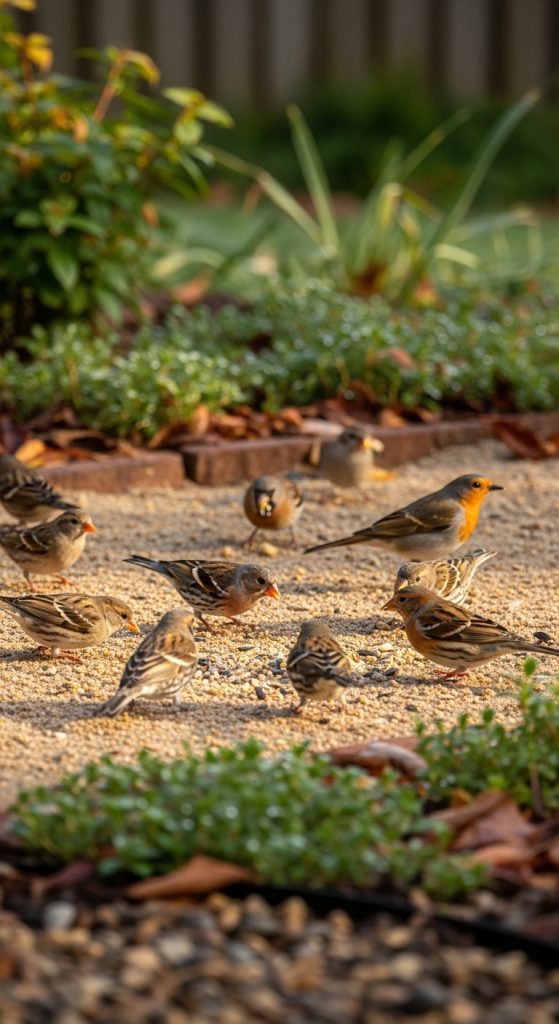
This idea is commonly included in Pinterest inspiration for backyard wildlife habitats because it expands the variety of birds that can use the space. While some birds prefer hanging feeders, others feel more comfortable feeding on open ground areas where they can hop and search naturally.
Ground feeding zones also add variety to the sanctuary layout. Instead of concentrating all bird activity around feeder poles, the sanctuary becomes more dynamic as birds move between elevated and ground feeding areas.
Step-by-Step Guide
Select an open patch of ground that remains visible from nearby shelter shrubs. Birds prefer feeding areas where they can quickly retreat to safety if necessary.
Clear the ground of thick grass or debris so the surface becomes accessible. A thin layer of sand or fine gravel can be added to create a clean feeding surface.
Scatter small amounts of birdseed, cracked corn, or millet across the area. Avoid placing too much food at once because excess food can attract pests.
Monitor the feeding area regularly and remove leftover food to maintain cleanliness. Over time birds that prefer ground feeding will begin visiting the sanctuary regularly.
Idea 8: Log and Branch Perching Zone
How to Create
A log and branch perching zone provides birds with natural resting points where they can observe the sanctuary. Birds frequently pause between feeding and drinking activities to survey their surroundings. Perching structures give them elevated positions where they can rest comfortably.

This concept appears frequently among Pinterest ideas focused on natural garden design because it uses simple materials such as fallen branches and logs. These materials blend seamlessly into outdoor environments while supporting bird activity.
Perching zones also create vertical interest in the garden landscape. Instead of flat planting beds, the sanctuary includes small structures that add height variation and texture.
Step-by-Step Guide
Begin by collecting sturdy branches or small logs that can stand upright when partially buried in the soil. Natural wood materials should be untreated to maintain a natural appearance.
Insert the branches into the ground at varying heights to create multiple perching options. Position them near feeders or water features so birds can rest between activities.
Stabilize the branches by packing soil firmly around their bases. If necessary, small stones can be placed around the base for additional support.
Once installed, the perching zone becomes a frequently used resting area for birds visiting the sanctuary.
Idea 9: Small Pond Wildlife Corner
How to Make
A small pond wildlife corner introduces a permanent water source that supports both birds and other wildlife. Unlike shallow bird baths, ponds provide a larger ecosystem where insects, aquatic plants, and birds interact naturally. The presence of water often increases the number of bird species visiting the sanctuary.

Small backyard ponds are commonly featured in Pinterest inspiration for wildlife gardens because they add both visual beauty and ecological value. The reflective water surface also enhances the aesthetic appearance of the backyard.
Step-by-Step Guide
Select a location with partial sunlight so aquatic plants can grow without overheating the water. Dig a shallow basin in the ground and line it with a waterproof pond liner.
Add small stones around the edges to stabilize the liner and create shallow entry points where birds can drink safely. Introduce aquatic plants that help maintain water balance.
Fill the pond with fresh water and monitor it regularly to maintain cleanliness. Birds will gradually begin visiting the pond to drink and bathe.
Idea 10: Quiet Observation Seating Area
How to Create
A quiet observation seating area allows homeowners to enjoy bird activity without disturbing the sanctuary environment. Bird watching becomes more rewarding when observers remain still and quiet, allowing birds to behave naturally.
This idea frequently appears in Pinterest backyard inspiration because it transforms wildlife spaces into relaxing outdoor retreats. A small bench or chair positioned near the sanctuary allows people to observe birds comfortably.
Step-by-Step Guide
Choose a seating location that offers a clear view of feeders, plants, and water features while remaining slightly distant from the central activity area.

Install a simple bench, chair, or small patio seating arrangement. Natural materials such as wood or stone help the seating area blend into the landscape.
Add surrounding plants or decorative stones to integrate the seating area into the sanctuary design. Once completed, the observation space allows peaceful enjoyment of the backyard bird habitat.
Common Beginner Mistakes and How to Avoid Them
One of the most common mistakes when creating a backyard bird sanctuary is concentrating all habitat elements in a single location. Birds benefit from a balanced environment where food, water, shelter, and nesting spaces are distributed across the landscape. When these elements are too close together, birds may feel exposed or crowded. Spreading the resources throughout the yard encourages natural movement and reduces stress among visiting birds.
Another frequent issue involves inconsistent maintenance. Feeders and water features require regular cleaning to prevent the spread of disease. Dirty water or moldy seed can harm birds and discourage them from returning to the sanctuary. Establishing a routine maintenance schedule helps keep the environment healthy and welcoming.
Improper plant selection is also a common problem. Decorative plants that do not produce seeds or berries provide little benefit to birds. Choosing native plants improves habitat value because these plants support local insects and food chains.
By focusing on habitat balance, regular maintenance, and wildlife-friendly plant selection, beginners can create a sanctuary that remains functional and sustainable over time.
Practical Tips for Better Results
Designing an effective bird sanctuary requires attention to both habitat function and landscape organization. One useful strategy is layering vegetation by height. Taller trees provide overhead shelter, medium shrubs offer resting areas, and low plants support ground-feeding birds. This layered structure allows birds to move naturally between different zones.
Providing fresh water throughout the year significantly increases bird activity. In colder seasons, using shallow heated water containers can prevent freezing and maintain access to drinking water. In warmer months, regularly refreshing water prevents algae buildup.
Food diversity also improves sanctuary success. Offering multiple seed types attracts different species because birds have varied dietary preferences. Some birds prefer sunflower seeds, while others eat insects or fruit.
Finally, minimizing disturbances helps birds feel safe. Avoid placing feeding areas near loud outdoor equipment or frequently used pathways. Quiet spaces allow birds to behave naturally and encourage regular visitation.
Styling, Presentation, or Organization Ideas
Styling a backyard bird sanctuary involves balancing natural habitat elements with organized garden design. Creating defined zones helps maintain visual structure while still supporting wildlife. Feeding stations, water features, and planting beds can each occupy separate areas connected by garden paths.
Decorative elements such as stone borders or wooden posts can be used to frame sanctuary spaces without disrupting the natural environment. These subtle structures guide the layout of the yard while preserving a wildlife-friendly appearance.
Grouping plants by type or height also improves the visual organization of the sanctuary. Flowering plants can create colorful sections while shrubs provide consistent greenery throughout the year. This arrangement makes the garden visually appealing while maintaining ecological value.
Integrating seating areas into the sanctuary layout allows homeowners to enjoy the space comfortably. Observation areas positioned near plants or feeders provide opportunities to watch bird behavior without disturbing the habitat.
Budget or Time Planning
Backyard bird sanctuary projects can be completed gradually, making them suitable for budget-friendly planning. Rather than installing every feature at once, homeowners can add elements over time. Starting with basic feeders and a water source provides immediate benefits while allowing additional features to be added later.
Many sanctuary materials can be obtained inexpensively. Natural elements such as stones, fallen branches, and logs can be repurposed from the surrounding environment. These materials provide habitat value while reducing project costs.
Planting native vegetation is also cost effective because these plants typically require less watering and maintenance. Once established, native plants often thrive without frequent intervention.
Time planning is equally flexible. Simple projects such as installing feeders or bird baths can be completed in a single afternoon. Larger improvements such as planting gardens or building ponds may require multiple stages of work. By spreading tasks across several weekends, the sanctuary can develop gradually without overwhelming effort.
Creative Expansion and Advanced Inspiration
Once the basic bird sanctuary is established, the project can expand into more advanced wildlife habitat features. Additional plant layers can be introduced to create complex ecosystems that support birds, insects, and small mammals. These layered habitats encourage greater biodiversity within the backyard.
Another expansion idea involves integrating climbing plants along fences or trellises. Vines create vertical greenery that provides additional shelter and nesting opportunities. These structures also enhance the visual design of the garden.
Lighting can also be incorporated carefully to improve nighttime aesthetics without disturbing wildlife. Soft pathway lights allow safe movement through the garden while keeping the sanctuary environment calm and natural.
Seasonal decoration elements may also be introduced to complement the natural landscape. Bird-themed garden markers, stone paths, or decorative wooden signs can enhance the aesthetic identity of the sanctuary while maintaining its ecological purpose.
By continuing to refine planting choices, habitat structures, and landscape organization, the backyard bird sanctuary can evolve into a dynamic outdoor environment that supports wildlife and provides lasting natural inspiration.