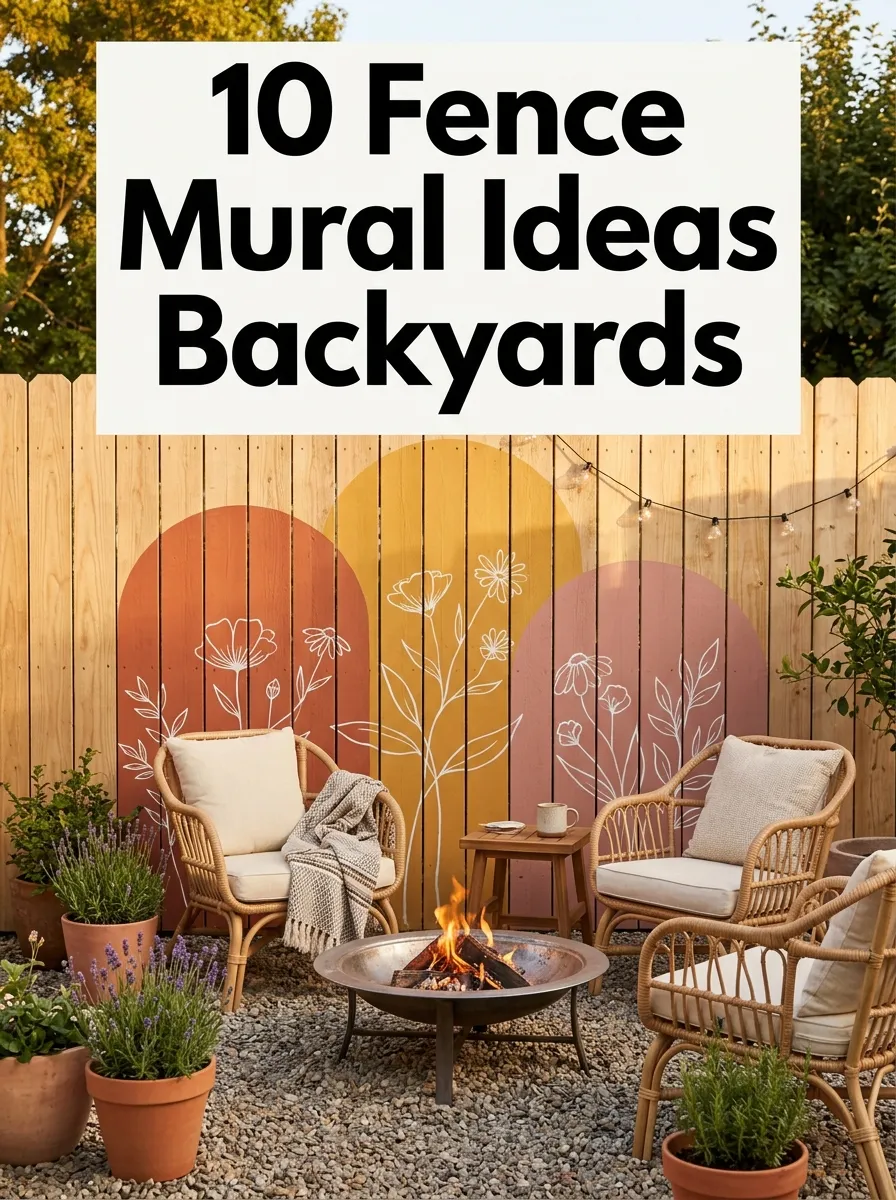
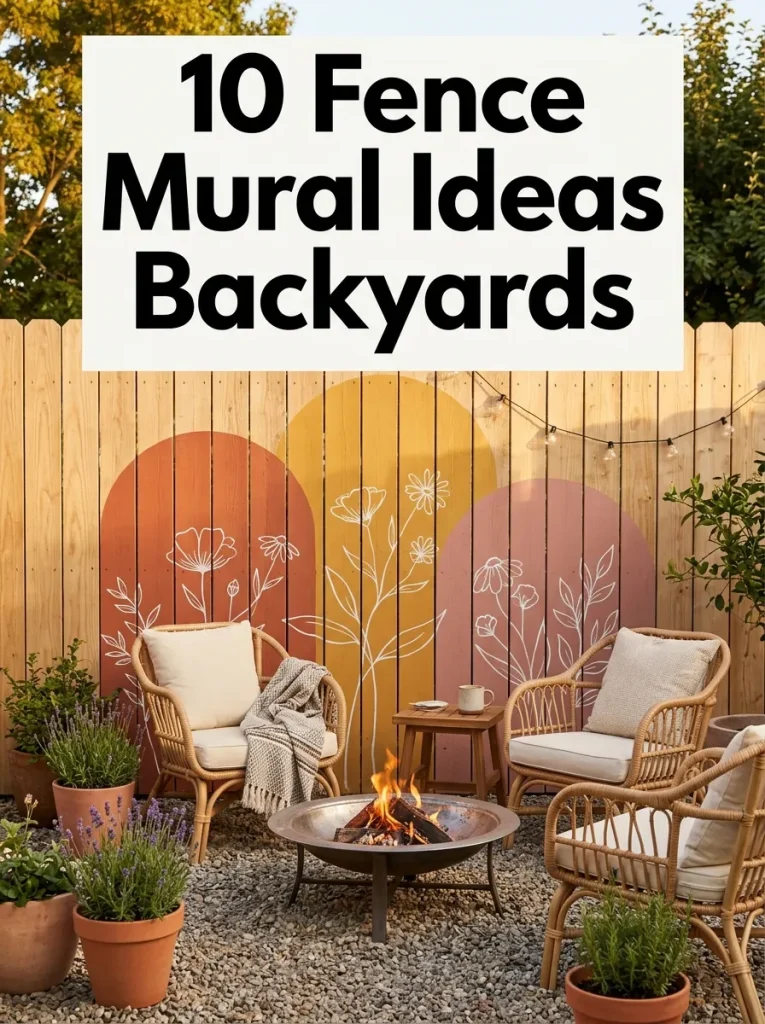
Fence murals are becoming a practical way to transform plain backyard boundaries into visually engaging features. These Pinterest ideas focus on turning fences into creative surfaces that contribute to both home decor and outdoor organization. A fence mural is a painted or designed artwork applied directly to a fence, using color, patterns, or imagery to enhance the space. This approach allows homeowners to use vertical surfaces efficiently while adding personality and structure to outdoor areas.
This article explains how to plan, design, and execute fence mural projects using DIY methods and accessible materials. Readers will learn step by step techniques to create different mural styles, ranging from minimalist patterns to nature-inspired scenes. Each idea is designed to be beginner friendly while maintaining a professional and clean result. These projects provide practical solutions for improving backyard aesthetics without requiring major structural changes. Fence murals also support creative ideas by allowing customization based on space, theme, and personal preference.
Why This Idea Is Trending or Useful
Fence mural projects are trending because they combine artistic expression with practical outdoor improvement. Many Pinterest ideas focus on maximizing existing structures rather than adding new ones. Fences provide a large, unused surface that can be transformed into a focal point through simple painting techniques.
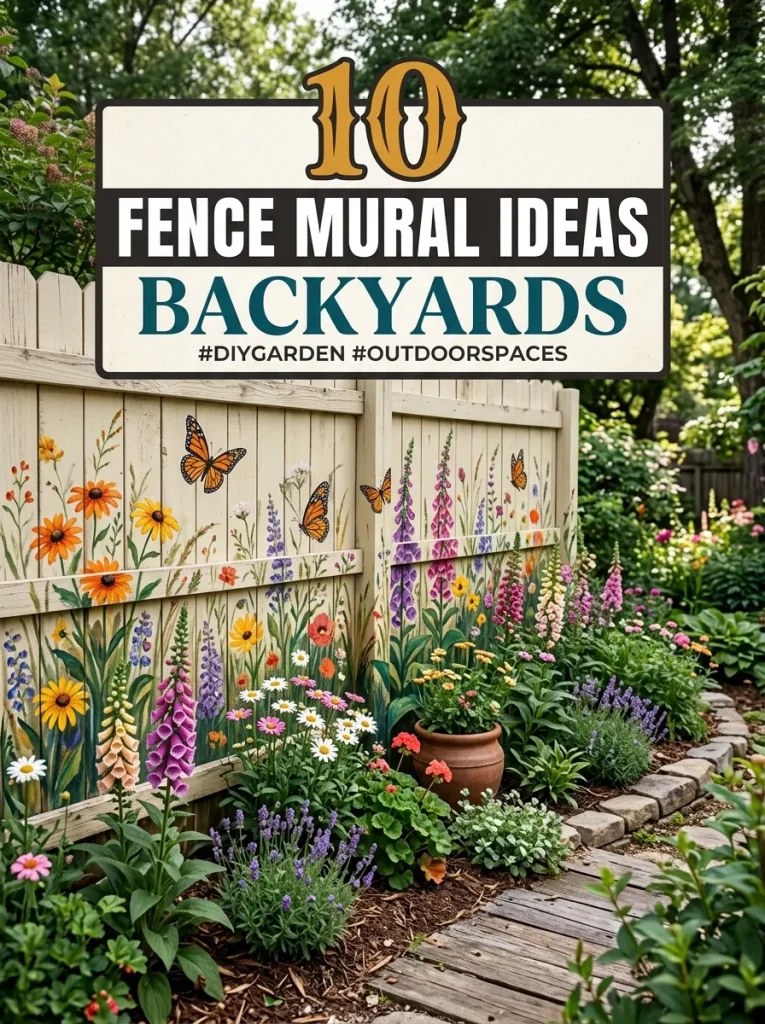
These projects are useful because they improve visual organization in backyards. A well-designed mural can define zones, highlight garden areas, and create a cohesive outdoor layout. This contributes to a balanced and structured environment.

The DIY appeal is another key factor. Fence murals can be completed using basic materials such as paint, brushes, and stencils. This makes them accessible for beginners who want to complete an easy project. The flexibility of design allows for both modern design and rustic styles, depending on the chosen theme. These features make fence murals a practical and creative project for enhancing outdoor spaces.
Materials and Preparation
Proper preparation is essential for achieving a durable and clean fence mural. Common materials include exterior paint, primer, sealant, brushes, rollers, painter’s tape, and stencils. Additional tools such as sandpaper and cleaning supplies are necessary to prepare the surface.
Start by cleaning the fence thoroughly to remove dirt, dust, and old paint residue. Sand the surface to create a smooth base and improve paint adhesion. Apply a primer to ensure even color application and long-lasting results. Planning the design in advance is important. Sketch the layout or use guidelines to maintain accuracy.
Choose weather-resistant materials to ensure durability. Consider the fence material, whether wood or metal, and select appropriate paints. Ensure proper spacing and alignment before starting the painting process. Careful planning and preparation reduce errors and improve the overall quality of the mural.

Idea 1: Botanical Garden Mural

How to Create
A botanical garden mural focuses on depicting plants, leaves, and natural patterns to create a calm and structured outdoor environment. This design integrates well with backyard gardens and enhances the connection between the fence and surrounding greenery. The concept involves using layered shapes and varied shades of green to represent foliage in a realistic or stylized form.
To create this mural, begin by sketching large leaf patterns across the fence using chalk or light pencil marks. Apply a base coat to establish a consistent background. Use multiple shades of green to paint leaves, adding depth through shading and overlapping shapes. Include subtle details such as veins and outlines to improve realism. Allow each layer to dry before adding additional details. Finish with a protective sealant to ensure durability against weather conditions.
Idea 2: Geometric Pattern Fence Design

Step-by-Step Guide
A geometric mural uses shapes such as triangles, lines, and grids to create a clean and organized visual effect. This design aligns with modern design principles and works well in minimalist style backyards. It focuses on symmetry and precision, creating a structured appearance.
Start by measuring and marking the fence using painter’s tape to outline geometric shapes. Choose a limited color palette to maintain consistency. Apply paint carefully within the taped sections, ensuring sharp edges. Remove the tape once the paint is dry to reveal clean lines. This step by step method ensures accuracy and a polished finish.

Idea 3: Landscape Scene Mural
How to Make
A landscape mural transforms the fence into a scenic background featuring mountains, trees, or skies. This design creates depth and expands the visual perception of the backyard. It is suitable for larger fences where detailed artwork can be displayed.

Begin by sketching the main elements of the landscape. Use layered painting techniques to build the background, starting with the sky and progressing to foreground details. Blend colors smoothly to create natural transitions. Add fine details such as trees and textures to enhance realism. This approach requires patience but produces a visually immersive result.
Idea 4: Minimalist Line Art Mural

Execution Process
A minimalist line art mural uses simple outlines and limited color to create an elegant and modern aesthetic. This design focuses on clean lines and negative space, making it suitable for contemporary outdoor settings.
To create this mural, paint a neutral background and allow it to dry completely. Use a fine brush or marker to draw continuous line patterns or abstract shapes. Keep the design simple to maintain clarity. This method emphasizes precision and balance, resulting in a refined and organized appearance.

Idea 5: Floral Pattern Fence Art
How to Create

A floral mural introduces decorative elements through repeated flower patterns. This design adds color and vibrancy to the backyard while maintaining a cohesive structure. It works well in both traditional and modern settings.
Start by selecting a few flower designs and repeating them across the fence. Use consistent spacing to maintain organization. Apply base colors first, then add details such as petals and centers. Use contrasting colors to highlight shapes. This approach creates a visually appealing and balanced mural.
Idea 6: Abstract Color Block Mural
Setup Method

An abstract color block mural uses bold shapes and contrasting colors to create a striking visual effect. This design focuses on simplicity while maintaining strong visual impact. It is suitable for modern and minimalist backyards.
To build this mural, divide the fence into sections using painter’s tape. Choose a color palette and apply paint to each section. Ensure clean edges and consistent coverage. This method allows for quick execution while achieving a professional result.

Idea 7: Nature Silhouette Mural

How to Make
A nature silhouette mural features outlines of trees, birds, or animals against a contrasting background. This design creates depth and visual interest while remaining relatively simple to execute.
Begin by painting a solid background color. Once dry, use stencils or freehand techniques to add silhouettes. Use dark colors for contrast and clarity. This method provides a clean and structured look while maintaining a natural theme.
Idea 8: Chalkboard Fence Mural
Step-by-Step Guide

A chalkboard mural transforms the fence into a reusable creative surface. This design allows for continuous updates and changes, making it a flexible option for creative projects.
Apply chalkboard paint evenly across the fence surface. Allow it to cure fully before use. Once ready, use chalk to create drawings or messages. This setup encourages creativity and allows for easy modifications.

Idea 9: Mosaic Style Painted Mural
How to Create

A mosaic-style mural uses small painted sections to create a larger image or pattern. This design mimics traditional mosaic art while using paint instead of tiles. It adds texture and complexity to the fence.
To create this mural, divide the surface into small sections using guidelines. Paint each section with different colors to form a cohesive design. Maintain consistent spacing and alignment. This method requires attention to detail but produces a unique result.
Idea 10: Recycled Material Painted Fence Art
Execution Process
A recycled material mural combines painting with attached decorative elements. This design uses repurposed items to create texture and depth while maintaining sustainability.

Collect materials such as wood pieces or metal objects and attach them securely to the fence. Paint over these elements to integrate them into the mural. Ensure all components are stable and weather-resistant. This approach combines creativity with resource efficiency.
Common Beginner Mistakes and How to Avoid Them
A common mistake is skipping surface preparation, which leads to uneven paint application and reduced durability. Always clean and prime the fence before painting. Another issue is poor planning of design layout. Without clear guidelines, the mural can appear unbalanced.
Using too many colors can create visual clutter. Limit the palette to maintain consistency. Inconsistent brush techniques can also affect the final result. Practice on a small section before starting the main design.
Ignoring weather conditions is another frequent problem. Avoid painting in extreme temperatures or humidity. Addressing these issues ensures a clean and long-lasting mural.
Practical Tips for Better Results
Use high-quality brushes to achieve smooth and precise lines. Apply multiple thin layers of paint instead of one thick coat. This improves coverage and durability.

Plan the design carefully and mark guidelines before painting. Use painter’s tape for sharp edges and clean patterns. Allow sufficient drying time between layers to prevent smudging.
Regular maintenance, such as cleaning and resealing, helps preserve the mural. These steps ensure a professional and long-lasting finish.
Styling, Presentation, or Organization Ideas
Coordinate the mural with surrounding backyard elements to create a cohesive design. Use complementary colors to match furniture, plants, and pathways. Maintain balance between the mural and other decorative features.
Position the mural to highlight focal areas such as seating spaces or garden beds. Use lighting to enhance visibility during evening hours. Keep the surrounding area organized to avoid visual clutter.

A well-presented mural improves overall backyard aesthetics and integrates seamlessly into the environment.
Budget or Time Planning
Fence mural projects can be completed within a flexible budget by selecting cost-effective materials. Plan the project in stages to manage time efficiently. Smaller murals can be completed in a single day, while larger designs may require multiple sessions.
Prepare all materials in advance to avoid delays. Focus on essential elements before adding detailed features. This approach ensures efficient use of time and resources.
Creative Expansion and Advanced Inspiration
Expand the mural by combining multiple styles, such as geometric patterns with natural elements. Experiment with layering techniques to create depth and texture.

Incorporate lighting or additional decorative elements to enhance the design. Consider extending the mural to adjacent surfaces for a unified look.
Advanced ideas include interactive designs or seasonal updates. These variations allow continuous improvement and keep the project visually engaging over time.