10 Butterfly Garden Design Layout Ideas
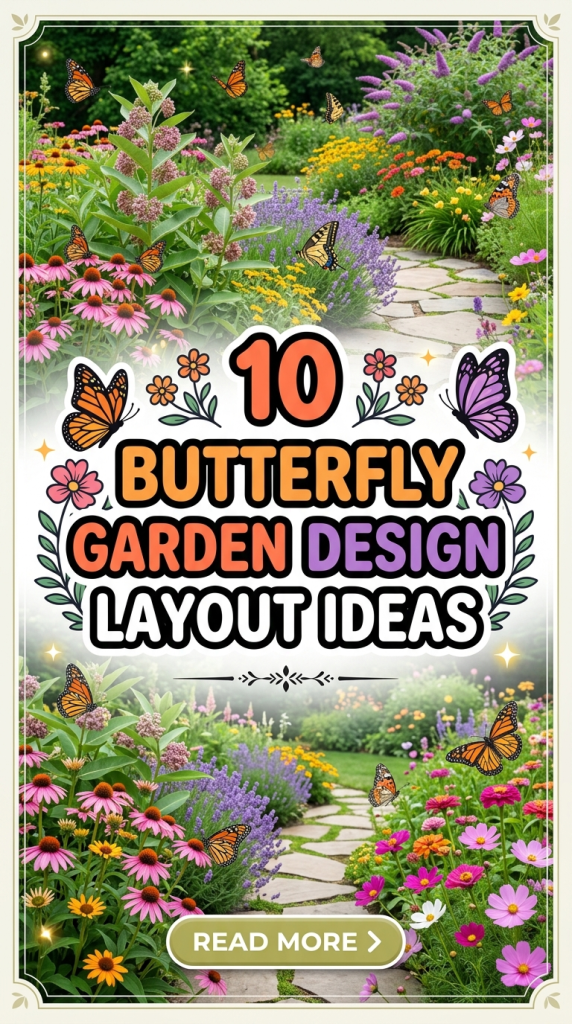
Creating a butterfly garden is a practical and visually appealing way to combine outdoor design with environmental support. These spaces are designed to attract butterflies by incorporating nectar-rich flowers, host plants, and suitable shelter conditions. On Pinterest, butterfly gardens are a growing trend because they merge natural beauty with purposeful landscaping. A well-planned butterfly garden provides a calm outdoor setting while also supporting pollinators that play a role in plant reproduction.
This article explains how to design butterfly garden layouts using clear, structured methods. Readers will learn how to plan, prepare, and execute different garden styles using accessible materials and beginner-friendly techniques. Each idea focuses on practical design and step-by-step implementation to ensure realistic results. The layouts also align with modern design principles such as organization, balance, and aesthetic appeal. Whether working with a small backyard or a larger outdoor area, these butterfly garden ideas offer adaptable solutions. The goal is to provide creative inspiration while maintaining functionality, making each design both visually effective and environmentally supportive.
Why This Idea Is Trending or Useful
Butterfly garden layouts are widely shared as Pinterest ideas because they combine DIY landscaping with ecological benefits. These gardens offer a practical way to improve outdoor spaces without requiring complex construction or advanced gardening skills. Many people are drawn to these designs because they can be created using simple materials and basic planning. This makes them accessible for beginners who want an easy project that still produces noticeable results.
The popularity of butterfly gardens also comes from their strong visual appeal. Bright flowers, layered plant heights, and structured layouts create a visually balanced space that fits modern design trends. These gardens align with minimalist style principles by focusing on intentional plant placement rather than overcrowding. In addition, they support pollinators, which adds functional value beyond decoration.
Another reason for their popularity is flexibility. These layouts can be adapted to different spaces, including small patios, balconies, or larger yards. The combination of aesthetic design, environmental purpose, and manageable effort makes butterfly gardens a practical and trending idea for outdoor home decor and creative projects.
Materials and Preparation
Before starting a butterfly garden project, proper planning and preparation are essential. The first step is selecting a suitable location that receives sufficient sunlight, as most nectar plants require direct exposure to thrive. The area should also be protected from strong winds to create a stable environment for butterflies. Once the location is chosen, the soil must be prepared by removing weeds and improving drainage. Adding compost helps create nutrient-rich soil that supports plant growth.
Basic materials include flowering plants, host plants for caterpillars, mulch, garden tools, and a water source such as a shallow dish or small pond feature. Stones or flat surfaces can also be added to provide resting spots for butterflies. It is important to choose a mix of plants that bloom at different times to ensure a continuous food supply.
Planning the layout in advance improves organization and efficiency. Sketching the design helps determine plant placement, spacing, and pathways. This step-by-step preparation ensures the project remains structured and manageable. Proper preparation also reduces mistakes and helps achieve a balanced, visually appealing butterfly garden design.
Idea 1: Circular Butterfly Garden Layout
How to Create
A circular butterfly garden layout focuses on symmetry and balanced plant placement. This design is based on a central focal point, such as a flowering shrub or decorative stone feature, surrounded by layers of plants arranged in concentric circles. The outer layers typically include taller plants, while shorter flowers are placed closer to the center. This structure creates a visually organized space that supports easy navigation for butterflies.
The circular layout works well for both small and medium-sized areas. It provides a clear design direction and allows for efficient use of space. This arrangement also enhances visibility from all angles, making it suitable for open garden areas. By using a mix of colors and textures, the design creates a strong aesthetic effect that aligns with modern Pinterest inspiration and home decor trends.
The creation process begins by marking the center point and outlining the circular shape using string or chalk. Soil preparation is completed before planting begins. Start by placing the tallest plants on the outer ring, followed by medium-height plants in the middle layer. Low-growing flowers should be placed near the center to maintain visibility.

Mulch is applied to retain moisture and reduce weed growth. A small water feature can be added near the center to attract butterflies. The layout should maintain even spacing to avoid overcrowding. Regular watering and pruning ensure the garden remains healthy and structured. This step-by-step approach helps create a balanced and beginner-friendly butterfly garden.
Idea 2: Pathway Butterfly Garden Design

Step-by-Step Guide
A pathway butterfly garden integrates movement with planting design. This layout features a defined walkway surrounded by nectar plants and host plants on both sides. The pathway acts as a visual guide, leading through the garden while providing close interaction with butterflies. This design is commonly used in modern outdoor layouts because it combines function with visual organization.
The pathway can be created using gravel, stepping stones, or compacted soil. Plants are arranged in layers along the edges, with taller plants at the back and shorter ones near the path. This structure creates depth and allows clear visibility of flowers. The design also supports accessibility, making it easy to maintain and enjoy the garden space.
To create this layout, begin by marking the path shape and clearing the area. Install the pathway material first to establish structure. Next, prepare the soil on both sides and plant nectar-rich flowers in clusters. Include host plants at intervals to support butterfly life cycles.
Spacing should allow for plant growth without overcrowding the pathway. Adding mulch helps maintain soil moisture. Decorative elements such as small stones or garden edging can enhance the design. Regular maintenance includes trimming plants and keeping the pathway clear. This method creates a structured and visually appealing butterfly garden layout.
Idea 3: Raised Bed Butterfly Garden
How to Make

A raised bed butterfly garden offers a controlled and organized planting environment. This design uses elevated planting boxes to create defined sections for flowers and host plants. Raised beds improve soil quality and drainage, making them suitable for areas with poor soil conditions. This layout is also ideal for small spaces and urban settings.
The design allows for clear organization and easy access, which supports beginner-friendly gardening. Raised beds can be arranged in geometric patterns to create a modern design aesthetic. The structured layout enhances visual appeal while maintaining practical functionality. This approach aligns with Pinterest ideas focused on clean lines and organized outdoor spaces.
To build a raised bed garden, start by constructing frames using wood or other durable materials. Fill the beds with nutrient-rich soil and compost. Arrange plants based on height, placing taller plants at the back and shorter ones in front.
Watering systems can be easily integrated into raised beds for consistent moisture levels. Mulch helps retain soil moisture and reduce weeds. Regular maintenance includes checking soil quality and pruning plants. This step-by-step process ensures a manageable and efficient butterfly garden design.
Idea 4: Wildflower Butterfly Meadow

How to Create
A wildflower butterfly meadow focuses on natural growth and biodiversity. This layout mimics natural habitats by using a mix of native wildflowers and grasses. The design emphasizes minimal structure while still maintaining intentional plant selection. This creates a relaxed and organic aesthetic that supports a wide variety of butterflies.
The meadow approach is suitable for larger spaces and requires less maintenance compared to structured gardens. It aligns with DIY gardening trends that prioritize sustainability and natural design. The combination of colors and textures creates a visually dynamic space that changes throughout the seasons.
To establish a meadow, prepare the soil by removing weeds and loosening the surface. Scatter wildflower seeds evenly across the area and lightly cover them with soil. Water regularly until plants are established.
Maintenance includes occasional trimming and weed control. Avoid overwatering to maintain natural growth patterns. This approach creates a low-maintenance butterfly garden that supports biodiversity and provides long-term visual interest.
Idea 5: Container Butterfly Garden
How to Create

A container butterfly garden is designed for limited spaces such as balconies or patios. This layout uses pots and containers to grow nectar and host plants. It provides flexibility and allows for easy rearrangement.
The design focuses on grouping containers to create a cohesive layout. Different container sizes add visual interest while maintaining organization. This method is ideal for beginners and requires minimal tools.
Start by selecting containers with proper drainage. Fill them with quality soil and plant nectar-rich flowers. Arrange containers in clusters to create a layered effect.
Water regularly and ensure adequate sunlight. Rotate containers if needed for even growth. This layout provides a practical solution for small-space butterfly gardening.
Idea 6: Layered Border Butterfly Garden
How to Create

A layered border butterfly garden is designed along fences, walls, or property edges, using structured plant heights to create depth and visual flow. This layout is widely used in Pinterest ideas because it maximizes narrow spaces while maintaining strong visual organization. The design relies on arranging plants in tiers, with taller plants placed at the back, medium-height plants in the middle, and low-growing flowers at the front. This structure ensures that all plants receive sunlight while remaining visible, which enhances both aesthetic and functional value.
The layered approach supports butterfly activity by grouping nectar-rich plants in accessible clusters. It also improves garden organization, making maintenance more manageable. This layout fits well into modern design concepts by combining clean structure with natural planting. The border style works effectively for both small and large gardens, providing a consistent visual line that enhances the overall outdoor space. The result is a balanced and practical butterfly garden that integrates seamlessly with existing home decor elements.
To create this layout, begin by clearing and preparing the border area. Enrich the soil with compost to support plant growth. Start planting from the back, placing taller plants first to establish the structure. Add medium-height plants in front of them, followed by low-growing flowers along the edge.
Maintain consistent spacing to avoid overcrowding and ensure proper airflow. Apply mulch to retain moisture and reduce weeds. Regular watering and pruning help maintain the layered effect. This step-by-step method creates a visually organized butterfly garden that is both beginner friendly and efficient.
Idea 7: Butterfly Garden with Water Feature
Step-by-Step Guide

A butterfly garden with a water feature combines plant design with a hydration source to attract more butterflies. Butterflies require shallow water for drinking, making this layout both functional and visually appealing. The design typically includes a small pond, shallow dish, or decorative water basin placed within a planted area. Surrounding the water feature with nectar plants creates a central gathering point for butterflies.
This layout enhances the overall garden experience by adding movement and reflection. It aligns with trending ideas in outdoor home decor by integrating natural elements into a cohesive design. The presence of water also supports a healthier garden environment by increasing humidity levels around plants. The combination of plants and water creates a balanced ecosystem that supports both aesthetic and practical goals.
To create this garden, start by selecting a safe location for the water feature. Install a shallow basin or pond with stones inside to provide landing spots. Prepare the surrounding soil and plant nectar-rich flowers in clusters around the water source.
Ensure the water remains clean and shallow to prevent hazards. Add mulch around the plants to maintain soil moisture. Regular maintenance includes refilling water and trimming plants. This method creates a structured butterfly garden that enhances both functionality and design.
Idea 8: Grid Layout Butterfly Garden
How to Create
A grid layout butterfly garden focuses on symmetry and organization by dividing the garden into equal sections. Each section contains a specific type of plant, creating a structured and visually balanced design. This layout is commonly used in modern minimalist style gardens because it emphasizes order and clarity. The grid system makes it easier to manage plant growth and maintain consistent spacing.

The design supports efficient planning by allowing clear separation of plant varieties. This helps ensure that butterflies can easily locate nectar sources while maintaining an organized appearance. The grid layout is suitable for both small and medium spaces, making it a practical option for beginners. It also aligns with creative project planning by simplifying layout decisions and improving overall garden structure.
To create this layout, mark the garden area into equal squares or rectangles using string or stakes. Prepare the soil within each section and plant a single type of flower per grid. This creates a clear visual pattern.
Maintain consistent spacing within each section to support plant growth. Apply mulch evenly across all sections to retain moisture. Regular watering and maintenance keep the layout structured. This step-by-step process results in a clean, organized butterfly garden that reflects modern design principles.
Idea 9: Vertical Butterfly Garden Design

How to Make
A vertical butterfly garden is designed for limited space by utilizing vertical surfaces such as walls, fences, or trellises. This layout focuses on growing plants upward rather than outward, making it ideal for small patios or urban environments. The design incorporates climbing plants, hanging containers, and vertical planters to create a layered effect.
This approach maximizes space efficiency while maintaining strong visual appeal. It is a popular Pinterest inspiration because it transforms unused vertical areas into functional garden spaces. The vertical layout also improves accessibility, as plants are positioned at different heights for easy maintenance. This design supports both aesthetic and practical goals, making it a suitable option for beginner-friendly DIY projects.
To build a vertical garden, install a sturdy support structure such as a trellis or wall-mounted frame. Attach planters or containers securely to the structure. Fill them with soil and plant nectar-rich flowers and climbing plants.
Ensure proper watering by checking each container regularly. Position the garden in a location with sufficient sunlight. Regular pruning helps maintain the structure and encourages healthy growth. This method creates a compact and efficient butterfly garden layout.
Idea 10: Mixed Habitat Butterfly Garden
Execution Process
A mixed habitat butterfly garden combines multiple elements such as flowers, shrubs, and small shelter areas to create a diverse environment. This layout focuses on supporting different stages of the butterfly life cycle by including both nectar plants and host plants. The design also incorporates shaded areas and open spaces to create a balanced habitat.

This approach reflects advanced Pinterest ideas that emphasize both design and ecological function. The mixed habitat layout creates a dynamic environment that attracts a wider range of butterflies. It also enhances visual variety by combining different plant types and structures. This design works well in larger spaces where multiple elements can be integrated effectively.
To create this garden, begin by dividing the space into zones for flowers, shrubs, and resting areas. Prepare the soil in each section and plant accordingly. Include flat stones for resting and shaded areas for protection.
Maintain proper spacing and ensure access to sunlight and water. Regular maintenance includes pruning, watering, and monitoring plant health. This step-by-step process results in a well-balanced butterfly garden that supports both aesthetics and functionality.
Common Beginner Mistakes and How to Avoid Them
One common mistake in butterfly garden design is selecting plants based only on appearance without considering their function. Not all flowers provide nectar, and some do not support butterfly life cycles. To avoid this, always include both nectar plants and host plants in the layout. Another frequent issue is overcrowding plants, which restricts airflow and limits growth. Proper spacing ensures healthy development and easier maintenance.
Ignoring sunlight requirements can also reduce plant success. Most butterfly-attracting plants require full sunlight, so choosing a shaded location can lead to poor results. Inconsistent watering is another problem, as both overwatering and underwatering can damage plants. Establishing a regular watering schedule helps maintain balance.
Lack of planning often leads to disorganized layouts. Sketching the design in advance improves structure and efficiency. Using unsuitable soil without proper nutrients can also limit plant growth. Adding compost improves soil quality. Avoiding these mistakes ensures a more successful and visually appealing butterfly garden.
Practical Tips for Better Results
Improving a butterfly garden requires attention to detail and consistent care. One effective tip is to plant flowers in clusters rather than spreading them randomly. Clusters make it easier for butterflies to locate nectar sources. Choosing plants with staggered blooming periods ensures a continuous supply of flowers throughout the season. This supports long-term butterfly activity.
Maintaining soil health is essential for plant growth. Regularly adding compost improves nutrient levels and supports root development. Mulching helps retain moisture and reduces weed growth, making maintenance easier. Positioning plants based on their height ensures that all receive adequate sunlight, which improves overall garden performance.
Monitoring plant health allows early detection of issues such as pests or disease. Removing damaged leaves and maintaining clean garden conditions supports long-term success. These practical steps help create a balanced and efficient butterfly garden that remains visually appealing and functional.
Styling, Presentation, or Organization Ideas
Styling a butterfly garden enhances its visual impact while maintaining organization. Using defined edges such as stones or garden borders creates a clean and structured appearance. Pathways can be added to guide movement and improve accessibility. These elements contribute to a well-organized layout that aligns with modern design trends.
Color coordination plays an important role in presentation. Grouping plants with similar or complementary colors creates a cohesive look. Using varying plant heights adds depth and dimension, improving visual balance. Decorative elements such as stones or simple garden features can be incorporated to enhance the aesthetic without overcrowding the space.
Maintaining symmetry or intentional asymmetry helps create a visually appealing design. Regular trimming keeps the garden neat and prevents overgrowth. Organized layouts not only improve appearance but also make maintenance more efficient. These styling techniques transform a butterfly garden into a polished and attractive outdoor space.
Budget or Time Planning
Planning a butterfly garden within a budget requires careful selection of materials and efficient use of resources. Starting with seeds instead of mature plants reduces costs while still achieving effective results. Reusing available materials such as containers or garden borders helps minimize expenses. Focusing on essential elements such as soil preparation and plant selection ensures that the project remains practical and affordable.
Time management is equally important for successful execution. Dividing the project into smaller steps, such as soil preparation, planting, and maintenance, makes the process more manageable. Scheduling tasks based on plant needs ensures consistent progress. For example, planting during appropriate seasons improves success rates.
Avoiding unnecessary additions helps keep the project focused and efficient. Simple layouts are often easier to maintain and require less time. Regular but short maintenance sessions prevent larger issues from developing. This structured approach allows the butterfly garden to be completed efficiently without exceeding budget or time constraints.
Creative Expansion and Advanced Inspiration
Expanding a butterfly garden design involves introducing additional elements that enhance both function and visual appeal. One approach is integrating seating areas within the garden, allowing closer interaction with butterflies. Adding vertical structures such as arches or trellises can increase planting space while creating a layered design.
Advanced layouts may include combining multiple garden styles, such as mixing a grid layout with a pathway design. This creates a more dynamic and personalized outdoor space. Incorporating seasonal plants ensures that the garden remains active throughout the year. Adding lighting elements can improve visibility and extend usability into the evening.
Experimenting with different plant combinations allows for continuous improvement and adaptation. Expanding the garden gradually helps maintain control over design and maintenance. These advanced ideas provide ongoing inspiration for creating a butterfly garden that evolves over time while maintaining structure and balance.