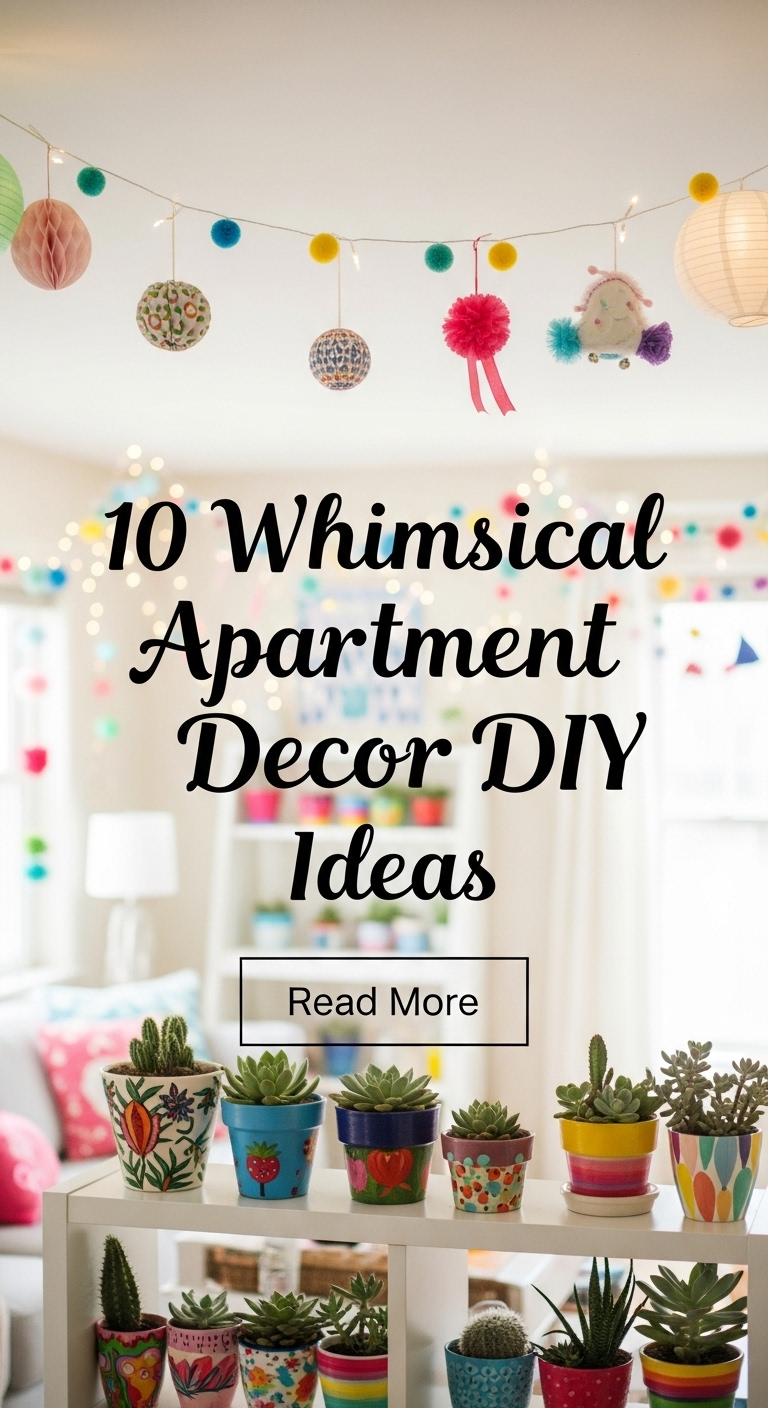

Whimsical apartment decor focuses on creating a playful, imaginative, and visually engaging living space using simple and creative DIY techniques. This approach combines color, texture, and unexpected design elements to transform ordinary interiors into expressive environments. It aligns closely with Pinterest ideas, where aesthetic appeal and originality are key components of modern home decor inspiration.
This article provides a complete guide to developing whimsical decor through ten detailed DIY ideas. Each idea is designed to be beginner friendly, practical, and achievable with accessible materials. The content explains how to plan, prepare, and execute each creative project step by step. It also emphasizes organization, functionality, and modern design balance so that the final result remains both decorative and usable.
Whimsical decor is useful because it allows personalization without requiring professional skills or large budgets. It supports creativity while maintaining structure, making it suitable for small apartments where efficient use of space is important. By following this guide, readers will learn how to implement creative ideas that enhance both visual appeal and everyday comfort.
Why This Idea Is Trending or Useful
Whimsical apartment decor has become a trending idea due to the increasing demand for personalized and visually distinctive living spaces. Many individuals seek creative ways to express individuality through home decor without relying on expensive or complex solutions. DIY methods provide accessible options that align with this need, making them highly popular on Pinterest.

This style is useful because it integrates both decoration and functionality. Small apartments often require thoughtful organization, and whimsical design can incorporate storage, lighting, and layout solutions while maintaining an aesthetic appeal. The combination of minimalist style with playful elements creates a balanced environment that does not feel cluttered.
Another reason for its popularity is its adaptability. These creative projects can be modified according to available materials, space limitations, and personal preferences. This flexibility makes it suitable for beginners who want to experiment with design concepts without strict rules.
The visual nature of whimsical decor also contributes to its popularity. Bright accents, soft textures, and handmade details create a unique aesthetic that stands out in digital inspiration platforms. This makes it an ideal approach for anyone looking to explore creative ideas that are both practical and visually engaging.
Materials and Preparation
Before starting any whimsical decor DIY project, proper preparation is essential to ensure efficient execution and consistent results. The first step involves identifying the materials required for each idea. Common materials include paper, fabric, string lights, paint, wooden boards, adhesive tools, and decorative items such as beads or ribbons. These materials are widely available and suitable for beginner friendly projects.

Tools such as scissors, glue guns, measuring tape, brushes, and cutting tools should also be prepared in advance. Having these tools organized reduces interruptions during the creative process and improves accuracy. Planning the workspace is equally important. A clean, well-lit area allows better focus and safer handling of materials.
It is also necessary to consider the layout of the apartment. Measure available space and determine where each decor element will be placed. This ensures that the final design remains functional and does not overcrowd the environment.
Creating a simple plan or sketch helps visualize the final result. This step-by-step planning approach aligns with DIY tutorials and improves efficiency. Proper preparation supports smooth execution and allows each creative project to achieve a polished and cohesive appearance.
Idea 1: Floating Cloud Shelf Display
How to Create
Floating cloud shelves combine storage with a soft, whimsical aesthetic. The concept involves designing shelves shaped like clouds to create a light and airy visual effect. These shelves work well in small apartments because they utilize vertical space while maintaining a decorative appearance. The design supports both functionality and creative expression, making it a strong example of modern home decor inspiration.

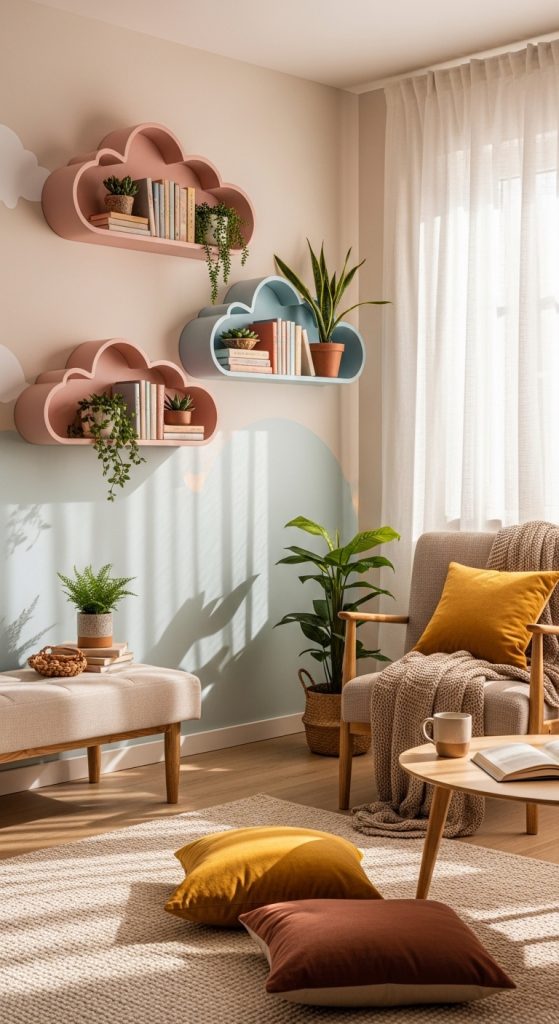
To begin, use lightweight wooden boards or sturdy foam panels as the base. Sketch cloud shapes and cut them carefully using appropriate tools. Sand the edges to create smooth curves, then apply a soft matte paint finish in neutral or pastel tones. Attach hidden brackets to the wall to create a floating effect. Ensure proper spacing between shelves to maintain balance and organization.
Place small decorative items such as books, plants, or figurines on the shelves. Avoid overcrowding to preserve the minimalist style. This step-by-step approach results in a clean and aesthetic display that enhances both storage and decoration within the apartment.
Idea 2: Fairy Light Canopy Corner
Step-by-Step Guide
A fairy light canopy transforms a simple corner into a visually engaging and relaxing space. This idea uses lighting as a decorative element, creating depth and warmth in the room. It is particularly useful for small apartments where lighting can define different zones without physical partitions.
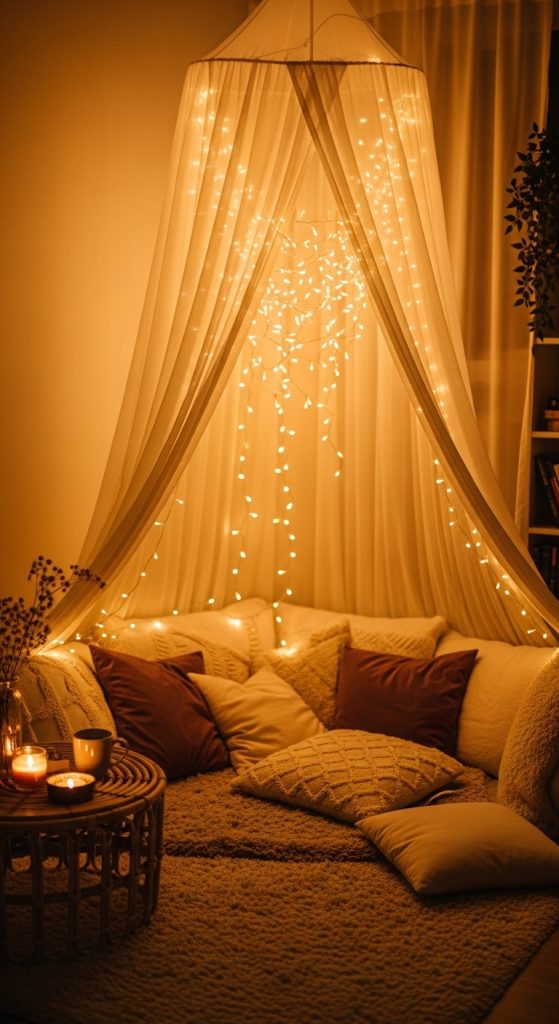
Start by selecting warm-toned string lights and lightweight fabric such as sheer curtains. Install hooks or adhesive clips on the ceiling and walls to support the structure. Drape the fabric loosely to create a canopy effect, then weave the lights through the material evenly. Ensure that the lights are distributed to avoid dark areas.
Secure all connections and test the lighting before final adjustments. The result is a soft, glowing corner suitable for reading or relaxation. This DIY project combines functionality with aesthetic appeal and is a practical example of creative ideas that enhance ambiance without requiring complex installation.
Idea 3: Painted Storybook Wall Murals
How to Make
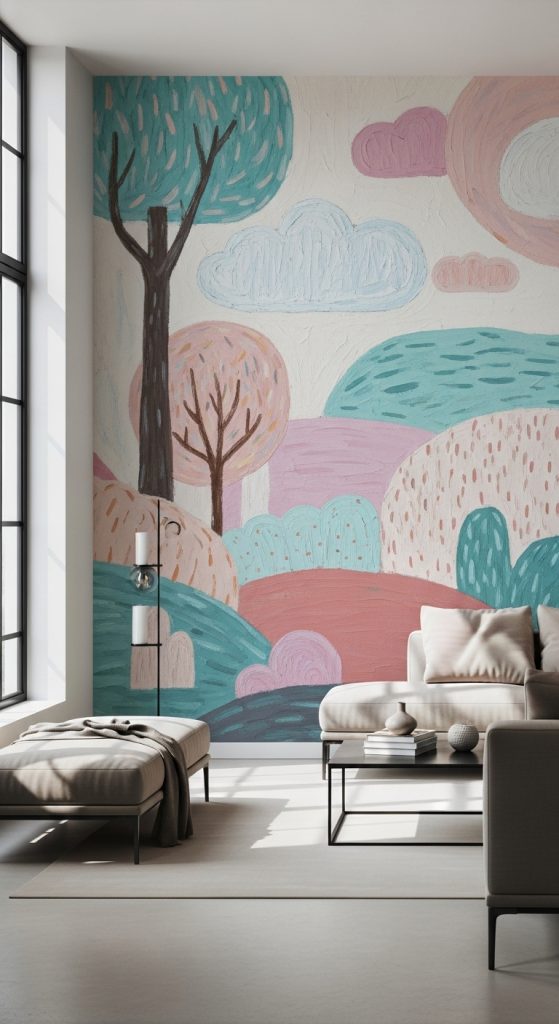
Storybook wall murals introduce imaginative visuals into apartment decor. This concept involves painting simple, illustrative scenes that create a whimsical environment. It allows personalization and creativity while maintaining a structured design approach.
Begin by selecting a theme such as nature, abstract shapes, or soft patterns. Use painter’s tape to outline the design and maintain clean edges. Apply base colors using rollers, then add details with smaller brushes. Choose a cohesive color palette to ensure consistency throughout the space.
Allow each layer to dry before adding additional details. Keep the design balanced to avoid overwhelming the room. This method provides a beginner friendly approach to wall decoration and aligns with modern DIY tutorial practices. The finished mural adds character and transforms plain walls into engaging visual features.

Idea 4: Hanging Paper Lantern Cluster
Execution Process
Hanging paper lanterns create a dynamic and layered ceiling design. This idea focuses on vertical decoration, making it ideal for apartments with limited floor space. The lanterns add color, texture, and movement to the room.
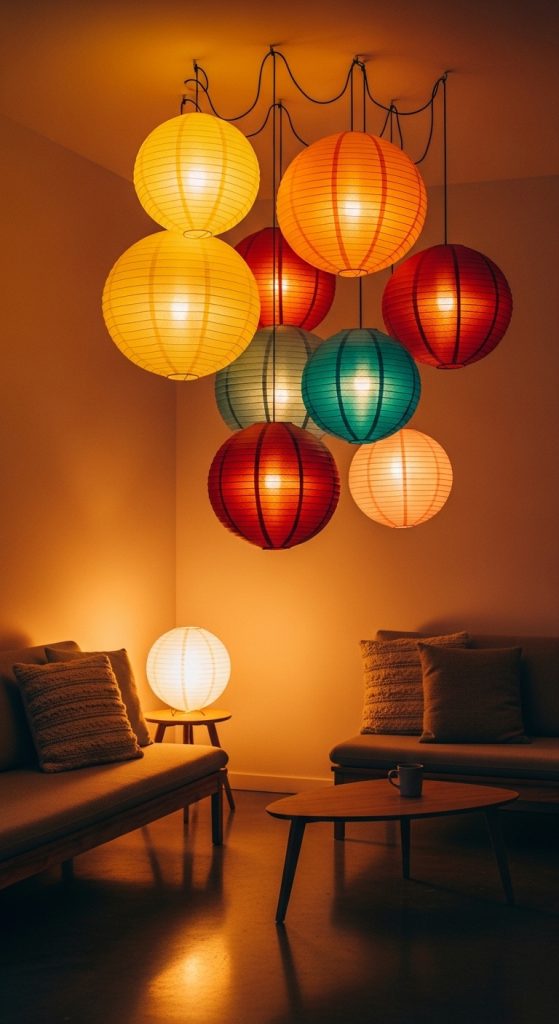
Select lightweight paper lanterns in varying sizes and colors. Attach strings of different lengths to create a staggered arrangement. Secure hooks in the ceiling and hang the lanterns at different heights to achieve a balanced composition.
Ensure that the spacing between lanterns allows for movement without overlap. This creates a visually appealing cluster that enhances the overall aesthetic. The setup is simple and uses minimal materials, making it an accessible DIY project. The final result contributes to a playful and creative atmosphere.
Idea 5: Mini Indoor Garden Wall
How to Create
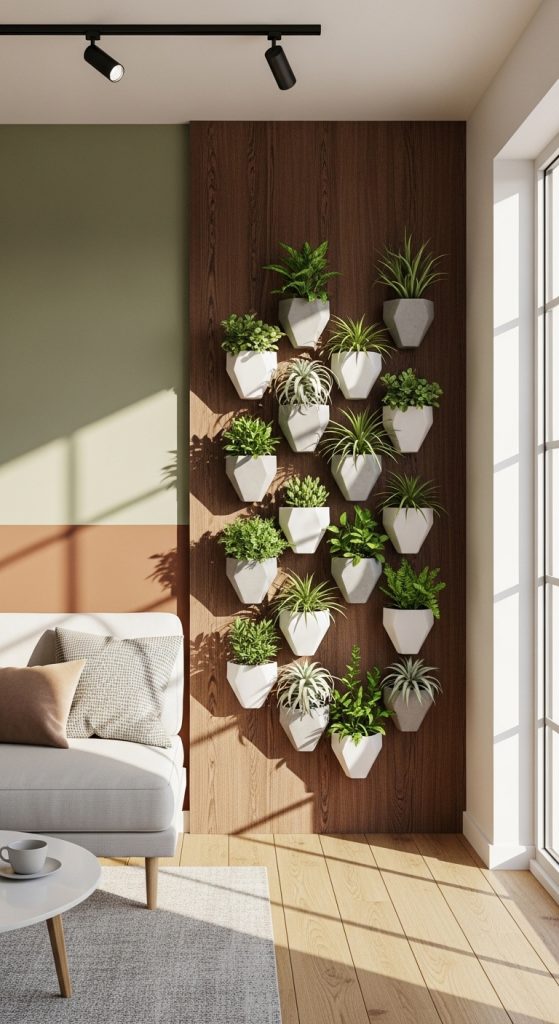
A mini indoor garden wall integrates greenery into apartment decor while maintaining organization. This idea uses vertical space to display plants in a structured and aesthetic manner.

Start by installing a wall-mounted grid or panel system. Attach small pots or containers securely using hooks or brackets. Select low-maintenance plants suitable for indoor conditions. Arrange the plants in a balanced pattern to create visual harmony.
Water and maintain the plants regularly to ensure longevity. This creative project adds freshness and texture to the space. It also improves air quality and contributes to a calming environment. The design remains practical and beginner friendly.
Idea 6: Decorative Mirror Mosaic
Step-by-Step Guide
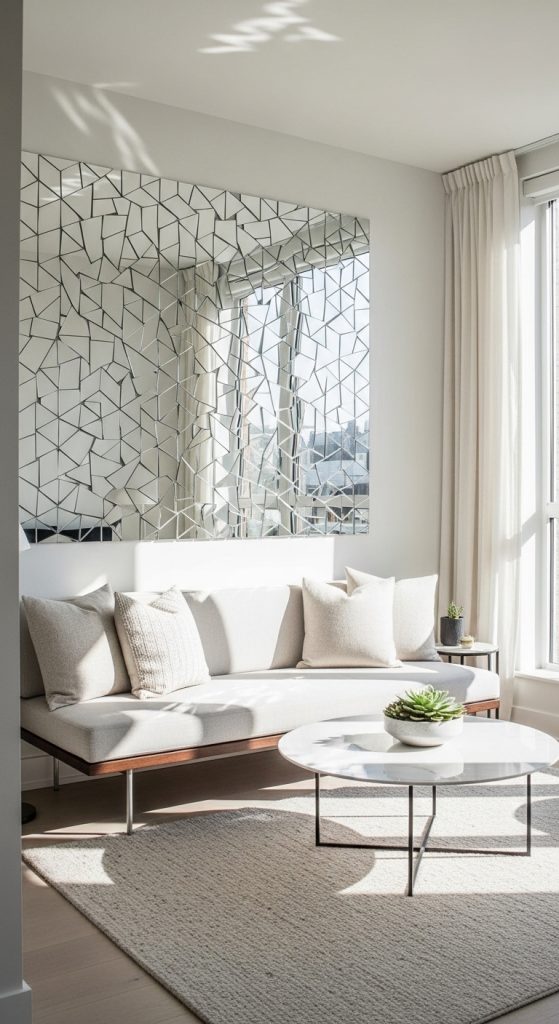
A decorative mirror mosaic enhances light reflection and creates an illusion of larger space. This idea combines functionality with artistic design.
Cut mirror pieces into various shapes using proper tools. Arrange them on a backing board to form a cohesive pattern. Secure each piece with adhesive and allow it to set completely.

Mount the mosaic on the wall using strong supports. Ensure alignment and stability during installation. This project requires careful handling but remains achievable with preparation. The result adds brightness and a modern aesthetic to the apartment.
Idea 7: Fabric Wall Hanging Panels
How to Make
Fabric wall panels introduce texture and softness into the decor. This idea uses textiles to create a layered and cozy environment.
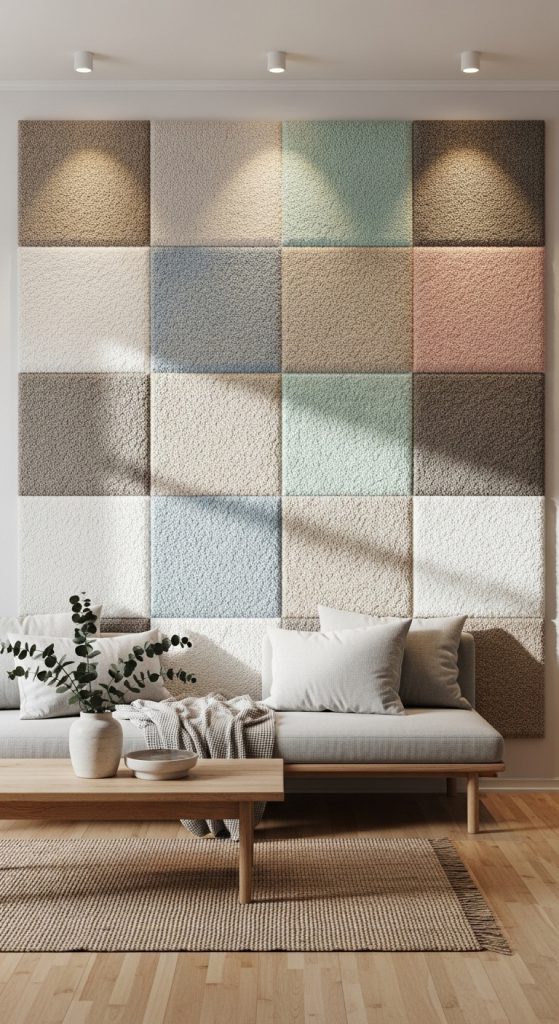
Select fabrics with complementary colors and patterns. Stretch them over wooden frames or attach them directly to panels. Secure the edges neatly to maintain a clean appearance.
Arrange the panels in a grid or linear layout on the wall. This creates a structured design that enhances visual interest. The project is simple and allows customization based on available materials.

Idea 8: Floating Book Display
Execution Process
Floating book displays transform books into decorative elements. This idea emphasizes organization and aesthetic presentation.
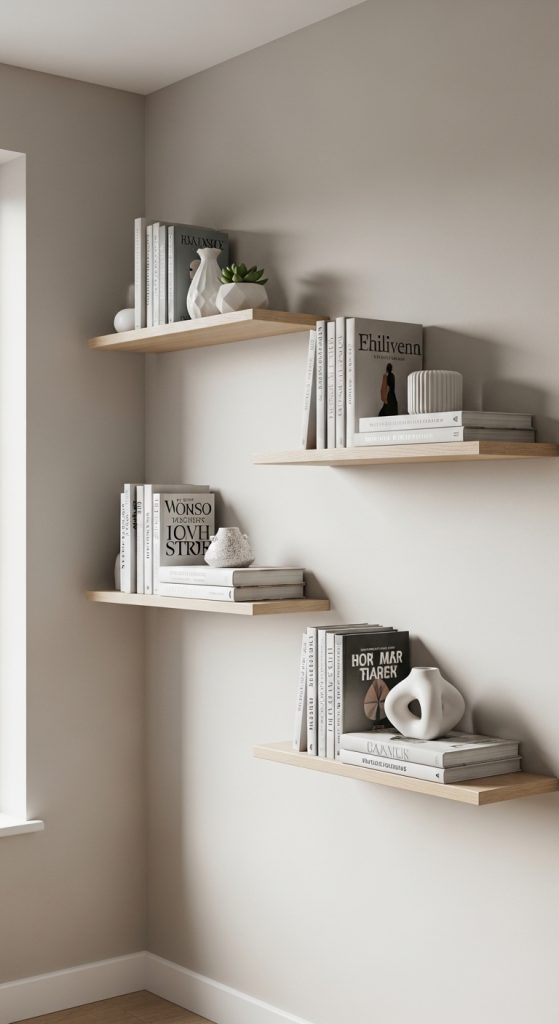
Install narrow shelves or hidden brackets on the wall. Arrange books with covers facing outward to create a visual display. Maintain consistent spacing to avoid clutter.
This setup allows easy access while enhancing the room’s appearance. It is a practical and creative solution for small apartments.
Idea 9: Colorful Drawer Makeover
How to Create
A colorful drawer makeover adds personality to furniture using simple painting techniques. This idea focuses on refreshing existing items instead of replacing them.

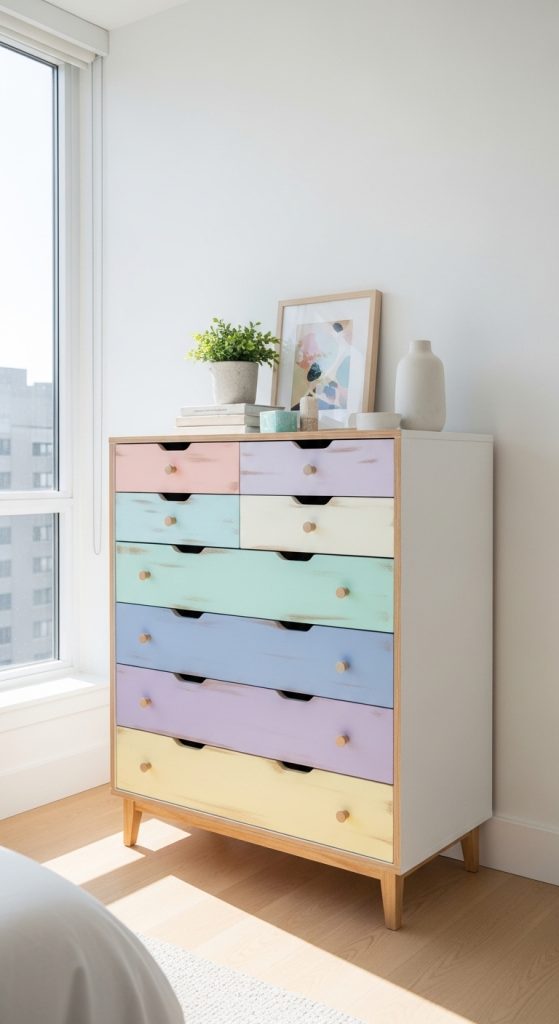
Remove drawers and clean the surfaces thoroughly. Apply primer and paint each drawer in different colors or patterns. Allow sufficient drying time between coats.
Reassemble the drawers and ensure smooth operation. This project is cost-effective and enhances the overall decor.
Idea 10: Whimsical Ceiling Mobile
Step-by-Step Guide
A ceiling mobile introduces movement and creativity into the space. This idea uses lightweight elements suspended from the ceiling.
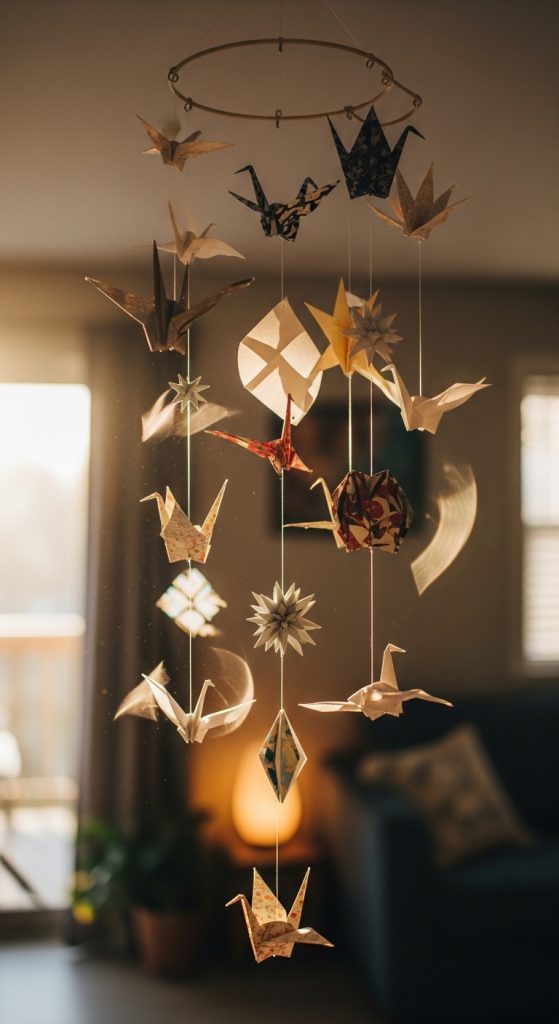
Cut shapes from paper or lightweight materials. Attach them to strings and connect them to a central frame. Balance the arrangement to ensure even distribution.

Hang the mobile securely and adjust the lengths as needed. The result adds a dynamic and playful element to the apartment.
Common Beginner Mistakes and How to Avoid Them
Many beginners make the mistake of starting projects without proper planning. This often leads to inconsistent results and wasted materials. Creating a simple step-by-step plan helps maintain direction and efficiency. Another common issue is overcrowding the space with too many decorative elements. Maintaining balance is essential to achieve a clean and aesthetic design.
Using unsuitable materials can also affect durability. Always select materials appropriate for indoor use and ensure proper installation methods. Skipping preparation steps such as measuring or surface cleaning can lead to uneven finishes.
Rushing through the process is another frequent mistake. Allow sufficient time for drying, alignment, and adjustments. Careful execution ensures better results and longer-lasting decor.

Practical Tips for Better Results
Working in a well-lit and organized space improves accuracy and efficiency. Keep tools and materials arranged to reduce interruptions. Use measuring tools to maintain symmetry and alignment in all projects.
Test small sections before completing the entire design. This helps identify any adjustments needed in color or placement. Maintain consistency in color palettes to achieve a cohesive look.
Focus on combining functionality with decoration. Each element should serve a purpose while contributing to the overall aesthetic. This approach ensures a practical and visually appealing result.
Styling, Presentation, or Organization Ideas
Arrange decor elements based on balance and proportion. Use vertical space effectively to avoid clutter in small apartments. Combine different textures such as fabric, wood, and metal to create depth.

Group items in odd numbers for a more natural appearance. Maintain clear pathways and functional zones within the apartment. This improves both usability and visual flow.
Lighting plays a significant role in presentation. Use layered lighting to highlight decorative features and create a warm atmosphere.
Budget or Time Planning
Set a clear budget before starting each project. This helps prioritize materials and avoid unnecessary expenses. Choose affordable materials that still provide durability and aesthetic value.
Break projects into smaller steps to manage time effectively. Completing one section at a time ensures steady progress. Allocate time for preparation, execution, and finishing.

Reusing existing items reduces costs and supports sustainable DIY practices. Proper planning ensures efficient use of both time and resources.
Creative Expansion and Advanced Inspiration
Once basic projects are completed, consider combining multiple ideas for more advanced designs. For example, integrate lighting with wall panels or combine plant displays with shelving.
Experiment with layering techniques and mixed materials to create more complex visuals. Explore different color schemes to expand the design possibilities.
Advanced projects can include interactive elements such as movable decor or modular setups. These additions enhance functionality while maintaining the whimsical aesthetic.