

Whimsical interiors in Minecraft focus on imaginative design, playful layouts, and decorative details that transform ordinary rooms into creative environments. Instead of purely functional spaces, whimsical interiors combine colorful blocks, unusual shapes, layered textures, and creative lighting to produce visually engaging spaces.
On Pinterest, these interior builds appear frequently because they demonstrate how Minecraft rooms can become aesthetic environments that feel magical, cozy, or story-driven. Players often search for interior inspiration that goes beyond standard survival layouts such as basic storage rooms or simple houses. Whimsical interiors introduce creative ideas that bring personality into a Minecraft build while remaining practical for gameplay.
This article presents ten detailed Minecraft whimsical interior build ideas designed for beginner friendly creation. Each concept explains how to design decorative spaces that still serve useful purposes inside a base or house. The ideas include reading corners, fantasy kitchens, greenhouse rooms, enchanting libraries, and artistic storage areas.
Every build includes clear explanations and practical step-by-step methods so players can recreate the designs using common materials. These creative projects demonstrate how interior decoration, layout planning, and lighting techniques work together to create a cohesive aesthetic environment. Builders will learn how to organize interior space, combine blocks effectively, and design interiors that feel lively, imaginative, and visually balanced.

Why This Idea Is Trending or Useful
Whimsical Minecraft interiors have become trending ideas on Pinterest because they transform functional builds into visually expressive environments. Many players build houses primarily for survival needs such as crafting, storage, and farming. However, interior design introduces a second layer of creativity that focuses on atmosphere and aesthetic presentation. When rooms include decorative details such as plants, lighting variations, colorful blocks, and layered furniture designs, the environment becomes more immersive. These design techniques make screenshots and gameplay spaces visually appealing, which is why whimsical interiors appear frequently in Minecraft inspiration collections and creative project boards.
Another reason for their popularity is accessibility for beginners. Unlike complex redstone builds or massive exterior architecture, interior decoration can be completed using small spaces and simple materials. Players can experiment with color combinations, furniture arrangements, and lighting without needing large building areas. This makes whimsical interiors an easy project that allows builders to improve creativity step by step. The DIY nature of these builds encourages experimentation with decoration styles, layout planning, and organization. As a result, whimsical interiors have become a major category of modern Minecraft design inspiration because they combine practicality with imaginative decoration and creative storytelling within a compact space.
Materials and Preparation
Preparing for a whimsical Minecraft interior build begins with selecting versatile materials that support decorative creativity. Common materials include wooden planks, stairs, slabs, trapdoors, fences, lanterns, candles, bookshelves, glass panes, leaves, and flower pots. These materials allow players to construct furniture, lighting structures, decorative shelves, and plant arrangements. Colored blocks such as wool, terracotta, or concrete can also introduce playful accents that enhance the whimsical style. Decorative items including paintings, item frames, and carpets help create layered interior environments that feel dynamic rather than empty.
Before starting construction, players should plan the layout of the interior space. This planning step involves deciding the purpose of the room and identifying where key features such as furniture, windows, and lighting will be placed. Clearing the room and creating an organized floor layout simplifies the building process. Builders should also prepare enough materials in advance to avoid interruptions during construction. Lighting planning is particularly important for whimsical interiors because light sources help define the atmosphere of the room. Lanterns, candles, and glow blocks placed strategically can create warm lighting effects that enhance the aesthetic environment. Careful preparation ensures the creative project progresses smoothly while maintaining strong visual balance.

MAIN IDEAS
Idea 1: Enchanted Reading Corner
How to Create

An enchanted reading corner introduces a cozy and magical atmosphere within a Minecraft interior. This space combines bookshelves, warm lighting, and comfortable seating to simulate a fantasy reading environment. The design focuses on creating a quiet corner filled with decorative elements that encourage immersion. Bookshelves form the background of the area, while carpets and wooden furniture create a comfortable floor layout. Plants and hanging lanterns add visual depth and natural decoration. The goal is to create a compact space that feels rich in detail while maintaining a functional layout.
To build this reading corner, begin by selecting a small corner of a room. Place bookshelves along two walls to form a curved library backdrop. Add wooden stairs or slabs to create a chair structure facing the shelves. Carpets placed beneath the seating area provide texture and warmth. Install lanterns or candles above the area using chains or shelves to create soft lighting. Flower pots placed on shelves or nearby tables add small decorative accents. Windows nearby can introduce natural daylight during gameplay. This step-by-step setup produces a cozy reading environment that fits naturally within a whimsical interior theme.
Idea 2: Fantasy Kitchen Interior
How to Create
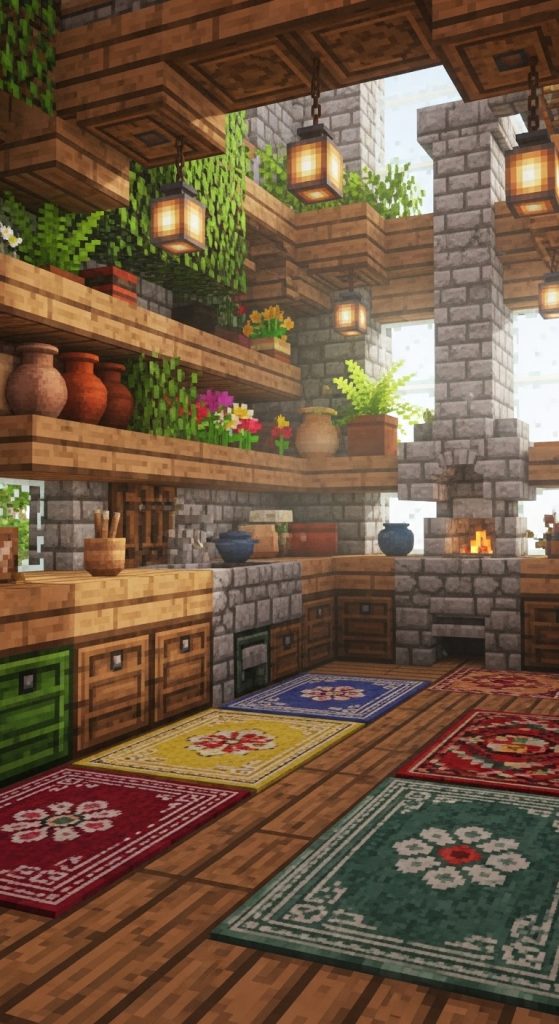
A whimsical Minecraft kitchen focuses on combining functionality with decorative creativity. Kitchens often appear in survival houses, but whimsical kitchens introduce imaginative layouts and colorful elements. Wooden counters, storage shelves, and cooking stations form the base structure of the room. Decorative items such as hanging lanterns, potted herbs, and colorful carpets create a lively atmosphere. The goal is to design a kitchen that looks active and inviting while still supporting practical gameplay tasks like crafting food.
Begin the build by placing wooden counters made from slabs and trapdoors along one wall. Furnaces can act as cooking stoves, while barrels or chests function as storage cabinets. Above the counters, add shelves using trapdoors or slabs to simulate kitchen storage. Lanterns hanging from the ceiling provide warm lighting. Add flower pots with plants to represent herbs used in cooking. Carpets placed under the workspace create visual contrast against wooden flooring. Windows allow natural light into the room. This step-by-step layout results in a kitchen interior that feels organized while maintaining a whimsical design aesthetic.

Idea 3: Indoor Garden Room
How to Create
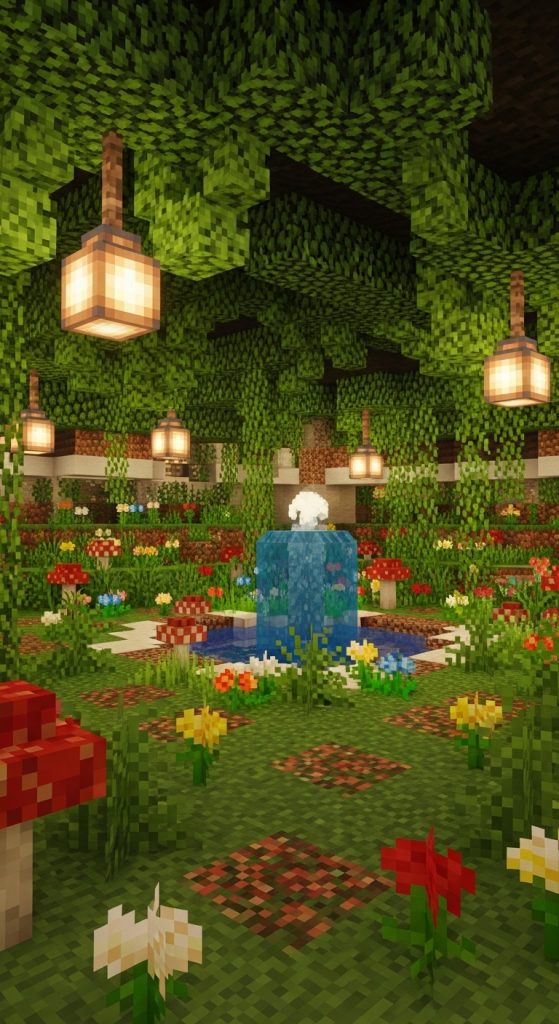
An indoor garden introduces natural elements into a Minecraft interior while supporting a whimsical aesthetic. This design combines plants, water features, and natural lighting to create a relaxing environment. The room often includes grass blocks, flowers, leaves, and decorative pathways that resemble a miniature garden inside the house. This concept brings outdoor scenery into interior spaces and creates visual contrast with traditional wooden or stone rooms.
To create this garden room, begin by replacing sections of the floor with grass blocks. Plant flowers, tall grass, and small mushrooms to build a layered garden effect. Place leaves along walls or ceilings to simulate vines and greenery. A small water feature such as a fountain or pond can act as the centerpiece of the room. Lanterns placed around the garden ensure proper lighting while preserving the natural atmosphere. Benches made from slabs provide seating areas for decoration. This setup transforms a simple room into a lively indoor garden that adds visual variety to the house.
Idea 4: Magical Potion Laboratory
How to Create
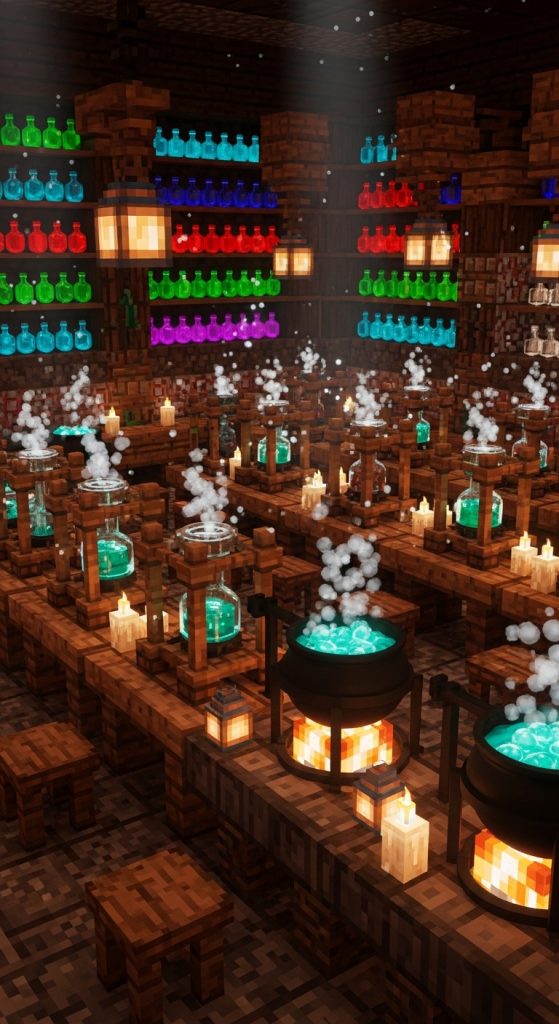
A potion laboratory creates a whimsical interior space designed for brewing activities. This concept uses brewing stands, shelves, and decorative bottles to simulate a magical workspace. The room often includes dim lighting, glowing decorations, and organized storage for potion ingredients. These features create an immersive fantasy atmosphere that supports Minecraft gameplay mechanics related to potion brewing.
Start by placing brewing stands on tables made from slabs or stairs. Surround the area with shelves built from trapdoors or wooden slabs to store potion ingredients. Item frames can display bottles or materials for decoration. Lighting can include candles or lanterns placed at different heights to create layered illumination. Cauldrons placed around the room add visual variety and reinforce the laboratory theme. Colored glass blocks can simulate magical containers. Following this step-by-step layout creates a potion laboratory that feels organized while maintaining a whimsical aesthetic.
Idea 5: Cozy Fireplace Lounge
How to Create
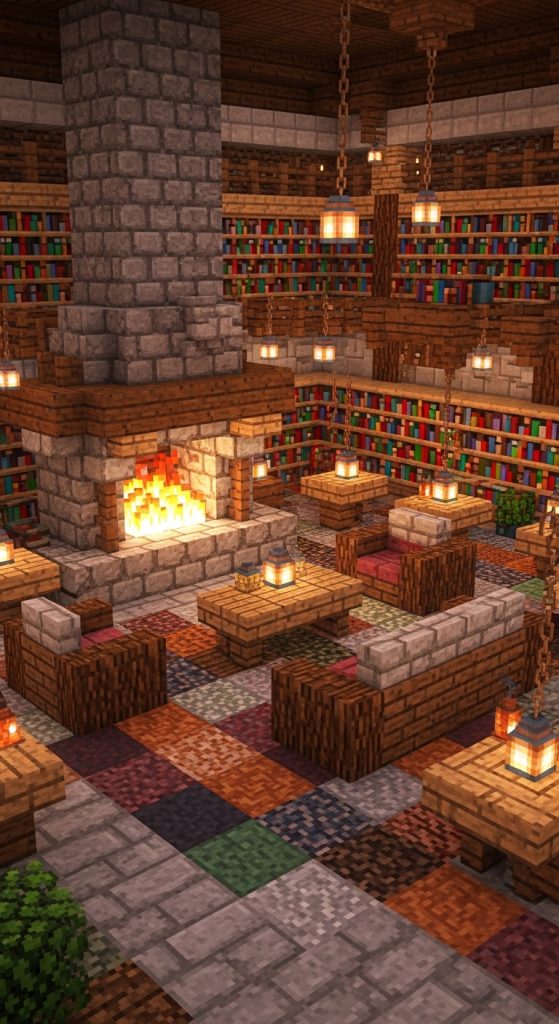
A fireplace lounge introduces warmth and relaxation into a Minecraft interior. This space centers around a decorative fireplace that acts as the focal point of the room. Seating areas, carpets, and lighting surround the fireplace to create a comfortable environment. The design works well in living rooms or communal spaces where players gather.
Begin by constructing a stone fireplace against a wall. Campfires or lava blocks hidden behind iron bars can simulate flames. Place wooden chairs made from stairs facing the fireplace. Carpets placed beneath the seating area create texture. Lanterns mounted on walls provide soft lighting that complements the fireplace glow. Add bookshelves or decorative shelves around the room to enhance the atmosphere. This step-by-step approach creates a lounge space that feels cozy and visually balanced.
Idea 6: Whimsical Bedroom Retreat
How to Create
A whimsical bedroom focuses on comfort and imaginative decoration. Beds remain the central feature, but decorative elements transform the room into a visually engaging space. Shelves, plants, and colorful carpets create a layered interior environment that feels lively.

Place the bed at the center of one wall and surround it with decorative shelves or trapdoor cabinets. Lanterns placed beside the bed act as bedside lighting. Carpets beneath the bed define the sleeping area. Flower pots on shelves introduce natural decoration. Windows allow natural light into the room during daytime gameplay. This setup produces a bedroom that feels organized while maintaining playful design elements.

Idea 7: Artistic Storage Wall

How to Create
Storage rooms often appear plain, but whimsical storage walls combine organization with decoration. The design integrates chests into decorative patterns using wood, stone, and colored blocks. This approach allows players to store materials efficiently while maintaining an aesthetic interior.
Construct a wall of chests organized in symmetrical rows. Use wooden stairs and slabs to frame the chests like shelves. Lanterns placed between storage sections improve visibility. Item frames above each chest label the contents for easy organization. Decorative plants placed nearby soften the structured layout. This step-by-step method produces a storage area that remains practical while contributing to the room’s visual appeal.
Idea 8: Fairy Light Hallway
How to Create
A whimsical hallway connects rooms while adding decorative atmosphere to the interior. Fairy light hallways rely on chains, lanterns, and glow blocks to create layered lighting. The goal is to transform a simple corridor into an aesthetic pathway.

Start by placing lanterns hanging from chains along the ceiling. Carpets can run down the center of the hallway to create a guiding path. Decorative paintings or item frames placed on walls add visual interest. Leaves or vines placed near the ceiling soften the structure. This setup creates a hallway that feels magical and visually engaging.

Idea 9: Crafting Workshop Studio
How to Create
A crafting workshop studio organizes crafting tables, furnaces, and tool storage into a creative workspace. This interior design focuses on efficiency while maintaining decorative structure. Shelves, barrels, and lighting create an organized workshop environment.
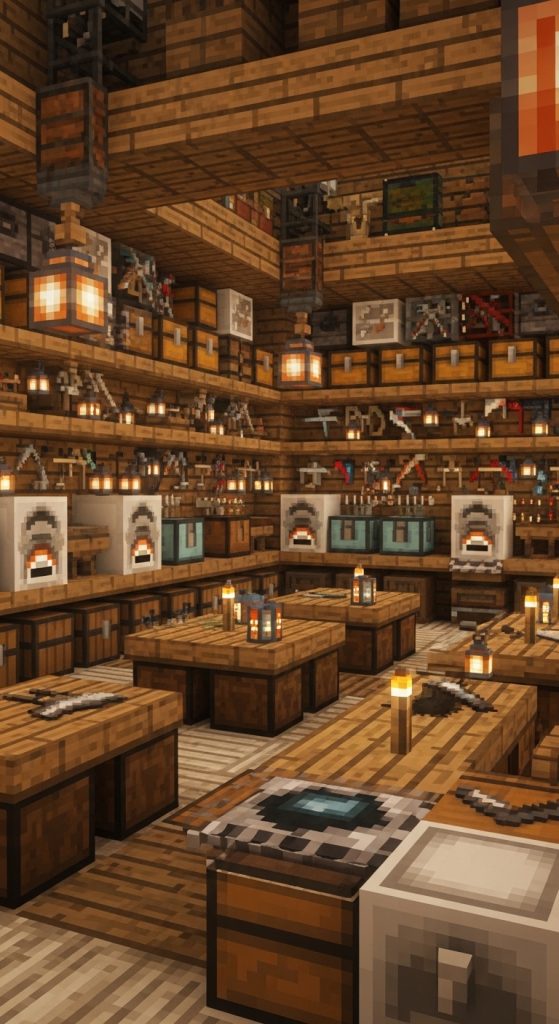
Place crafting tables and furnaces along one wall to create a working station. Storage barrels or chests hold building materials and tools. Lanterns mounted on walls provide adequate lighting. Decorative shelves above the workbench store tools and supplies. Carpets placed beneath the workspace define the crafting zone. This design improves organization while preserving the whimsical interior style.
Idea 10: Glass Roof Observatory Room
How to Create
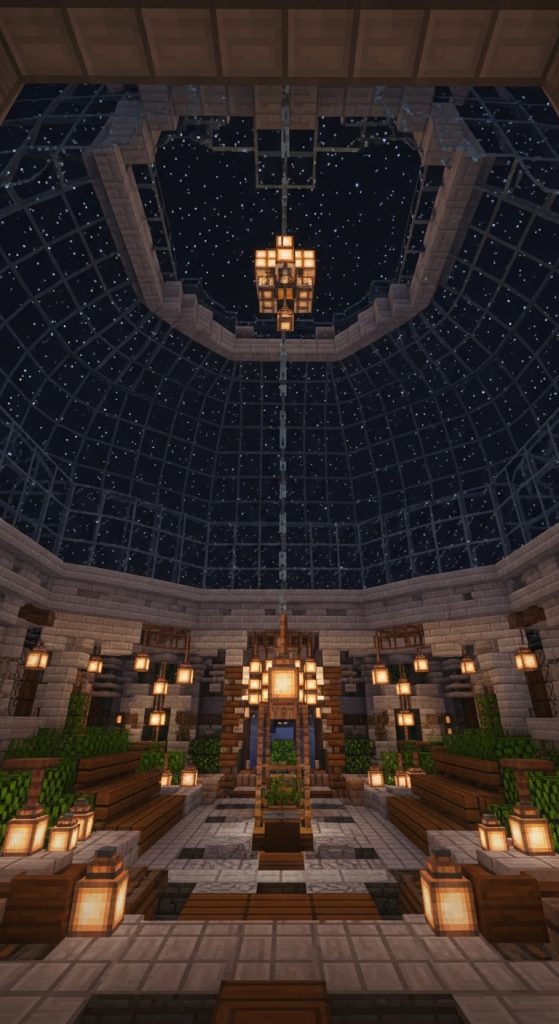
An observatory room introduces a whimsical feature that allows players to observe the sky. The room uses glass ceilings and open layouts to create a bright interior environment. Decorative seating and lighting enhance the viewing experience.
Begin by constructing a glass dome or flat glass roof above the room. Leave the interior open with minimal furniture to maintain visibility of the sky. Place benches or chairs facing upward toward the glass ceiling. Lanterns placed along the walls provide nighttime illumination without blocking the view. Decorative plants placed around the room add natural detail. This structure creates a unique interior space focused on sky observation.

Common Beginner Mistakes and How to Avoid Them
One common mistake in whimsical interior design involves overcrowding the room with decorations. When too many items appear in a small space, the room loses visual clarity and becomes difficult to navigate. Maintaining balance between decoration and open space ensures the room remains functional. Another frequent mistake involves inconsistent lighting. Dark corners reduce the aesthetic effect of decorative interiors. Placing lanterns or candles strategically ensures even lighting throughout the room. Builders should also avoid mixing too many block styles without planning. Limiting materials to a consistent color palette helps maintain visual harmony within the interior design.
Practical Tips for Better Results
Successful whimsical interiors rely on thoughtful layering of decorative elements. Combining furniture, plants, lighting, and carpets creates depth within the room. Using stairs, slabs, and trapdoors to simulate furniture provides flexibility in design. Lighting should vary in height to create visual interest. Hanging lanterns, wall lights, and table candles each contribute different lighting effects. Builders can also enhance interiors by adding small decorative details such as books, paintings, or item frames. These elements help transform simple rooms into rich creative environments.
Styling, Presentation, or Organization Ideas
Styling a whimsical Minecraft interior involves arranging decorative elements in a way that guides movement through the room. Furniture should align with walls or central features to maintain clear pathways. Plants and carpets can define zones within the interior, such as reading areas or crafting spaces. Symmetry often helps create organized layouts, especially in storage rooms or kitchens. Decorative items should appear balanced across the room to maintain visual stability.
Budget or Time Planning
Most whimsical interiors can be completed using common Minecraft materials collected during regular gameplay. Gathering wood, glass, plants, and lighting materials beforehand simplifies the construction process. Dividing the project into sections such as furniture, lighting, and decoration helps manage time efficiently. Players can complete one room at a time to maintain focus and avoid overwhelming the build process.

Creative Expansion and Advanced Inspiration
Once the basic whimsical interiors are complete, builders can expand the design with additional creative features. Secret doors hidden behind bookshelves or decorative walls introduce playful exploration elements. Multi-level interiors connected with spiral staircases add vertical depth to the house. Glass floors, aquarium walls, and indoor waterfalls introduce advanced decorative elements that transform ordinary interiors into elaborate creative environments. These expansions encourage continuous experimentation and allow the whimsical design theme to evolve over time.