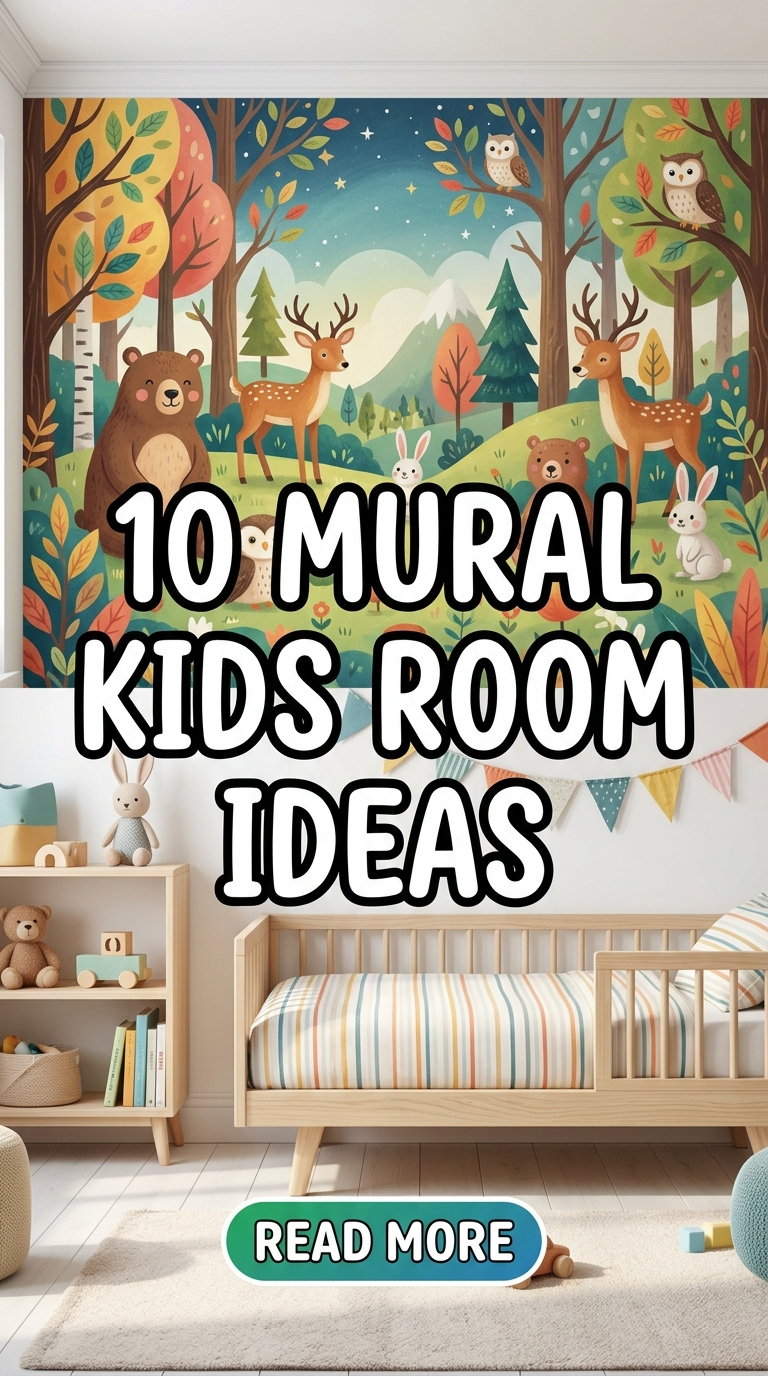
Designing a mural for a kids room is an effective way to transform a simple space into a creative and engaging environment. Murals are large-scale wall designs that combine color, patterns, and illustrations to create a visual theme across a surface. On Pinterest, mural kids room ideas are widely shared because they provide strong visual impact while remaining customizable and adaptable. These designs support creativity, learning, and emotional comfort by shaping the atmosphere of the room.
This article presents a complete tutorial on how to create mural-based kids room designs using practical and beginner friendly methods. It explains essential materials, preparation steps, and ten detailed creative ideas that can be followed step by step. Each idea focuses on realistic execution, simple techniques, and aesthetic consistency. Readers will learn how to plan mural layouts, select appropriate themes, and apply paint or decorative elements effectively. The purpose is to provide clear inspiration and structured guidance that helps turn a plain wall into a functional and visually appealing feature within a child’s room.
Why This Idea Is Trending or Useful
Mural designs for kids rooms are trending because they combine decoration with storytelling and personalization. Pinterest ideas often highlight murals as a way to create immersive environments that support imagination and creativity. These designs are useful because they can be tailored to different interests such as nature, space, animals, or educational themes. Unlike standard wall decor, murals provide a continuous visual experience that enhances the overall room design.
Another reason for their popularity is their DIY appeal. Many mural projects can be completed using simple materials and basic tools, making them accessible for beginners. Step by step tutorials allow individuals to follow clear processes without requiring professional skills. Murals also support organization by defining specific zones within a room, such as play areas or study spaces. This combination of functionality and aesthetic value makes mural designs a practical choice for modern home decor. They provide long-lasting visual interest while remaining adaptable to changing preferences.
Materials and Preparation
Creating a mural kids room requires careful preparation and selection of suitable materials. Basic materials include wall paint in selected colors, brushes of different sizes, painter’s tape, pencils for sketching, and protective sheets to cover furniture and floors. Additional materials such as stencils or projectors can assist in creating precise designs. Choosing non-toxic and child-safe paints is important for safety and durability.
Preparation begins with cleaning the wall surface to ensure proper paint adhesion. Remove dust and repair any imperfections before starting. Measure the wall and plan the mural layout based on the selected theme. Sketch a rough outline using a pencil to guide the painting process. Organize materials in advance to avoid interruptions during work. Consider lighting conditions and how the mural will appear at different times of the day. Budget planning is also essential to manage costs effectively. This structured preparation ensures a smooth execution process and a high-quality final result.
Idea 1: Nature Landscape Mural
How to Create

A nature landscape mural introduces elements such as trees, hills, and sky to create a calming and visually engaging environment. This design supports a connection with nature while maintaining a soft and balanced color palette. It works well in rooms where relaxation and comfort are priorities. The mural can include simple shapes and gradients to represent natural elements without requiring complex artistic skills.
To create this mural, start by sketching the landscape outline on the wall using a pencil. Paint the background with a light sky color and allow it to dry. Add layers such as hills and trees using different shades of green and brown. Use smaller brushes for details and larger brushes for broader areas. Allow each layer to dry before adding the next to maintain clarity. This step by step process creates a beginner friendly and visually appealing mural.
Idea 2: Space Exploration Theme

Step-by-Step Guide
A space-themed mural transforms the room into a creative project inspired by planets, stars, and galaxies. This design encourages curiosity and imagination while providing a visually dynamic environment. Dark backgrounds combined with bright elements create strong contrast and depth.
To implement this design, paint the wall with a dark base color such as deep blue. Once dry, add stars using a small brush or sponge technique. Sketch planets and fill them with vibrant colors. Add details such as rings or patterns to enhance realism. Use glow-in-the-dark paint for additional effect. This approach creates an engaging and educational mural.
Idea 3: Animal Safari Scene

How to Make
An animal safari mural introduces wildlife elements such as trees and animals to create an adventurous atmosphere. This design supports storytelling and interactive play.
To create this mural, sketch animals and trees across the wall. Use simple shapes for beginners. Paint each element with clear colors and add details gradually. Maintain spacing between elements to avoid overcrowding. This method creates a balanced and engaging design.

Idea 4: Rainbow Color Wall
Execution Process

A rainbow mural uses curved bands of color to create a bright and cheerful environment. This design is simple yet visually impactful.
To implement, mark curved lines using tape and paint each section with a different color. Allow drying time between layers. Remove tape carefully for clean edges. This approach creates a vibrant and organized mural.
Idea 5: Educational Alphabet Mural
How to Create

An alphabet mural combines decoration with learning by displaying letters in a visually appealing format. This design supports early education and recognition skills.
To create this mural, sketch letters evenly across the wall. Paint each letter in a different color and add small illustrations for association. Maintain consistent spacing for clarity. This design is both functional and decorative.

Idea 6: Underwater Ocean Scene

Step-by-Step Guide
An underwater mural introduces elements such as fish, coral, and waves to create a calming environment. Blue tones dominate the design, creating a soothing effect.
To implement, paint a blue background and add ocean elements gradually. Use lighter shades for depth and contrast. Add details such as bubbles and plants. This creates a cohesive underwater scene.
Idea 7: Cartoon Character Wall

How to Make
A cartoon mural adds familiarity and fun to the room. This design reflects personal interests and enhances engagement.
To create this mural, sketch characters lightly and fill them with color. Use clear outlines for definition. Maintain balance by spacing characters evenly. This approach creates a lively and personalized design.
Idea 8: Mountain Adventure Theme

Setup Method
A mountain mural uses geometric shapes and soft colors to create a modern design. This theme combines simplicity with visual interest.
To set up, draw mountain shapes and fill them with neutral tones. Add small details such as trees or clouds. Keep the design clean and organized. This method creates a modern and aesthetic mural.
Idea 9: Cloud and Sky Design
How to Create

A cloud mural creates a soft and peaceful atmosphere using light colors and simple shapes. This design is suitable for creating a calm environment.
To implement, paint a light background and add cloud shapes using white paint. Blend edges for a soft effect. This approach creates a relaxing visual.

Idea 10: Interactive Chalkboard Wall
How to Make
A chalkboard mural provides both decoration and functionality. This design allows children to draw and interact with the wall.

To create this, apply chalkboard paint evenly across a section of the wall. Allow it to dry completely before use. Provide chalk and erasers for interaction. This design supports creativity and learning.
Common Beginner Mistakes and How to Avoid Them
One common mistake is skipping preparation, which leads to uneven paint application. Another issue is using too many colors without planning, resulting in a cluttered appearance. Poor spacing between elements can also affect the overall design. To avoid these problems, plan the layout carefully and use simple designs. Apply paint in layers and allow proper drying time. This ensures a clean and professional result.
Practical Tips for Better Results
Use high-quality brushes for smoother application. Work in sections to maintain control and accuracy. Test colors on a small area before full application. Keep materials organized to avoid interruptions. These practical steps improve efficiency and final appearance.

Styling, Presentation, or Organization Ideas
Arrange furniture to complement the mural and avoid blocking key elements. Use matching decor to enhance the theme. Maintain a clean and organized layout to highlight the mural. This improves both aesthetics and functionality.
Budget or Time Planning
Start with simple designs to reduce costs and time. Use available materials effectively. Allocate time for each stage, including drying periods. This ensures a manageable and efficient project.
Creative Expansion and Advanced Inspiration
Advanced ideas include combining multiple themes or adding textured elements. Use stencils or projection methods for detailed designs. Experiment with lighting to enhance the mural’s effect. These approaches allow further creativity and personalization.