
Drop ceiling designs have become a practical and aesthetic solution in modern bedroom interiors, offering both functional and visual benefits. In many Pinterest ideas, drop ceilings are used to redefine the upper portion of a room by adding layers, lighting, and structure without major construction. A drop ceiling, also known as a suspended ceiling, is installed below the main ceiling to create a secondary surface that can conceal wiring, improve lighting, and enhance design appeal.
This article presents clear and beginner friendly approaches to designing drop ceilings that align with current home decor trends. Readers will learn how to plan, design, and execute various styles using accessible materials and structured step by step methods.
These creative ideas focus on improving room ambiance while maintaining organization and efficiency. Drop ceiling designs are especially useful for those seeking a balance between modern design and practical functionality. With proper planning and execution, these designs can transform a bedroom into a well-structured and visually engaging space that reflects both comfort and style.
Why This Idea Is Trending or Useful
Drop ceiling bedroom designs are widely featured in Pinterest inspiration because they offer a strong combination of practicality and aesthetic value. These designs allow for better organization of lighting systems, wiring, and ventilation while also enhancing the visual depth of a room. The increasing popularity of DIY home decor projects has made drop ceilings more accessible, as many designs can be created using lightweight materials and simple tools. This makes them suitable for beginners looking for easy project ideas that deliver noticeable results. Drop ceilings also align with modern design principles by introducing clean lines, layered structures, and integrated lighting. These elements contribute to a calm and organized environment, which is essential for bedroom spaces. Additionally, the flexibility of drop ceiling designs allows for customization based on room size, lighting needs, and personal preferences. This adaptability makes them a reliable option for those exploring creative ideas that combine function and style in a structured and achievable way.

Materials and Preparation
Preparing for a drop ceiling project requires careful planning and the selection of appropriate materials to ensure stability and durability. Common materials include gypsum boards, lightweight wooden panels, metal grid systems, ceiling tiles, LED strip lights, and support frames. Essential tools include measuring tape, drill, level, cutting tools, screws, and adhesive materials. The first step is to measure the room accurately to determine the layout and height of the drop ceiling. This helps in maintaining proper proportions and avoiding alignment issues. The existing ceiling should be inspected for any structural concerns before installation begins. Planning should also include the placement of lighting fixtures, ventilation openings, and wiring paths. Creating a clear step by step workflow ensures that each stage of the project is completed efficiently. Selecting a design that complements the bedroom’s overall home decor is equally important. Proper preparation not only simplifies the installation process but also improves the final outcome, making the project more organized and visually appealing.
Idea 1: Minimalist Single Layer Drop Ceiling
How to Create
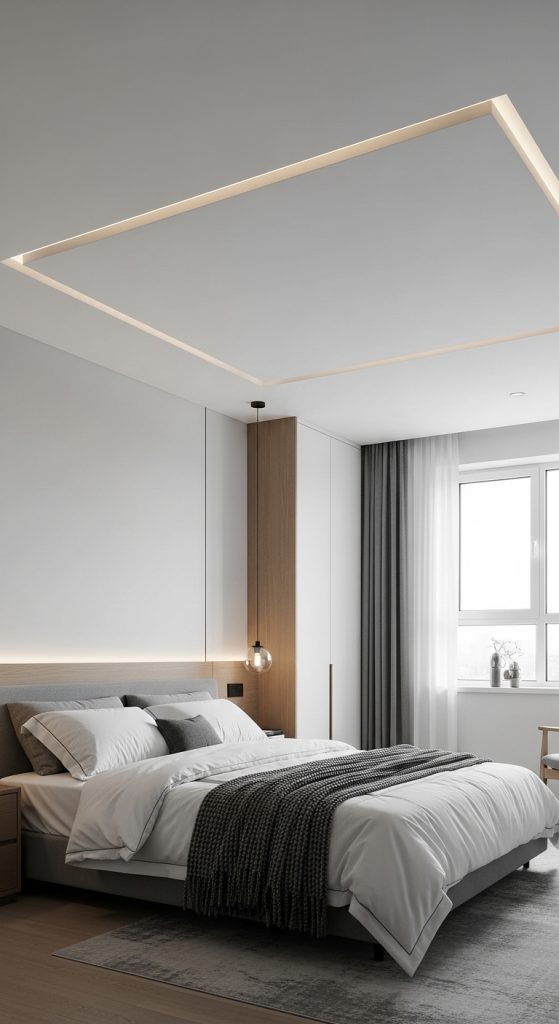
A minimalist single layer drop ceiling focuses on simplicity and clean structure, making it a strong choice for modern design interiors. This design involves installing a flat suspended surface slightly below the original ceiling, creating a neat and uniform appearance. It is commonly used in bedrooms that follow a minimalist style, where excessive decoration is avoided in favor of clarity and balance. The smooth surface allows for even light distribution and creates a calm atmosphere. This idea works well for those seeking Pinterest ideas that prioritize organization and simplicity while maintaining a refined aesthetic.
To create this design, begin by installing a basic metal or wooden frame at a measured distance below the original ceiling. Ensure that the frame is level and securely fixed to maintain stability. Attach gypsum boards or ceiling panels to the frame, making sure all joints are aligned properly. Fill any gaps with filler and sand the surface for a smooth finish. Paint the ceiling in a neutral tone to enhance the clean look. This step by step process ensures a precise and beginner friendly execution, resulting in a polished and modern ceiling design.
Idea 2: Recessed Lighting Drop Ceiling
How to Create
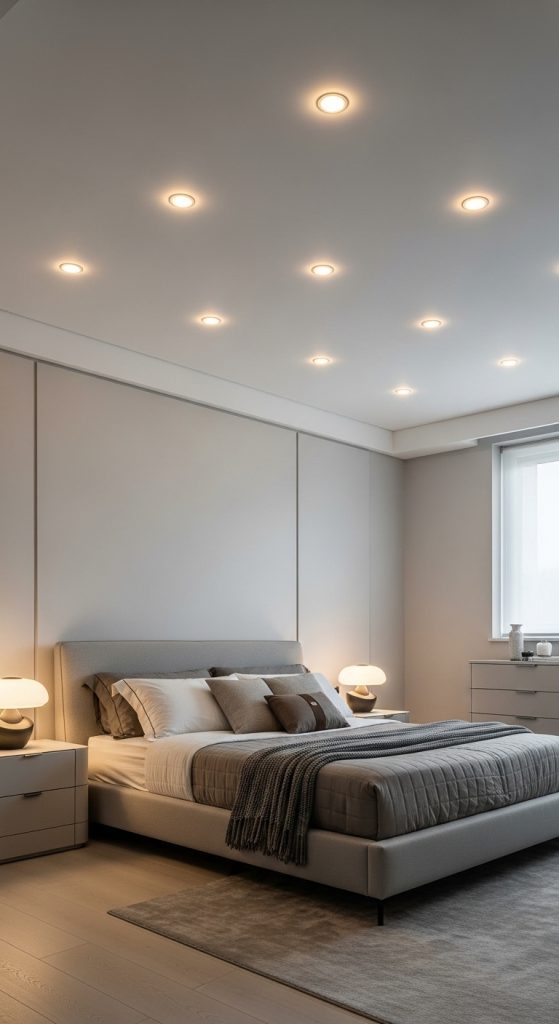
A recessed lighting drop ceiling integrates lighting fixtures within the ceiling structure to create a seamless and modern appearance. This design enhances functionality by providing focused and evenly distributed light while maintaining a clean visual surface. It is a popular choice in trending ideas because it combines lighting and decoration in a single creative project. The recessed lights contribute to a soft and comfortable bedroom environment, making the space more functional and visually balanced.
To implement this design, start by planning the placement of recessed lights according to the room layout. Install the drop ceiling frame and create openings for the lighting fixtures. Secure the gypsum boards and connect the wiring carefully before fixing the lights in place. Ensure proper insulation and safety measures during installation. Once the lights are installed, finish the ceiling with paint or a smooth coating. This step by step method ensures proper alignment and functionality, making it an effective DIY tutorial for beginners.
Idea 3: LED Cove Lighting Ceiling
How to Create
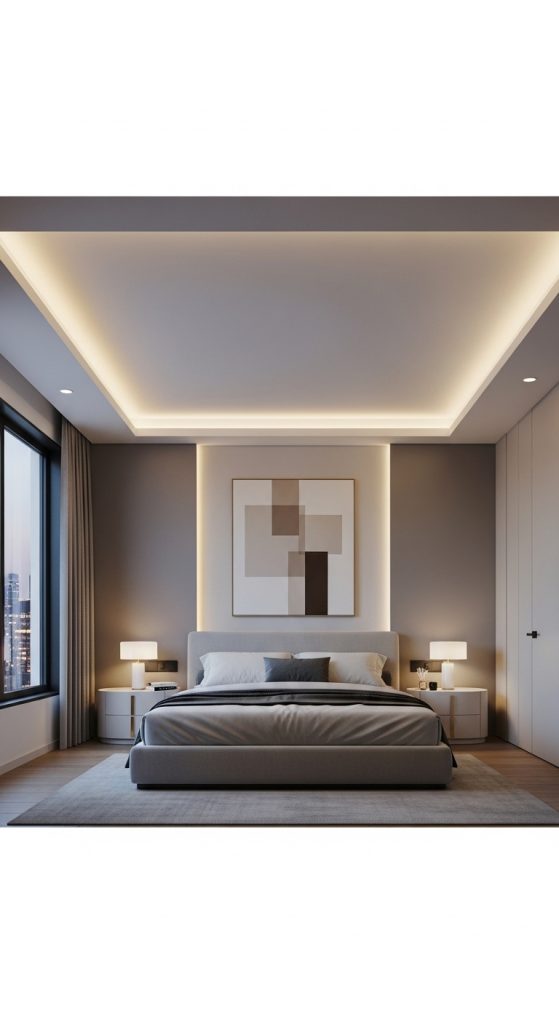
LED cove lighting ceilings create a soft glow by hiding light sources within recessed edges. This design enhances ambiance and adds depth to the bedroom ceiling.
Install a drop ceiling with a recessed border and place LED strips inside the edges. Secure the structure and test the lighting. This method provides a warm and modern effect.
Idea 4: Wooden Panel Drop Ceiling
How to Create
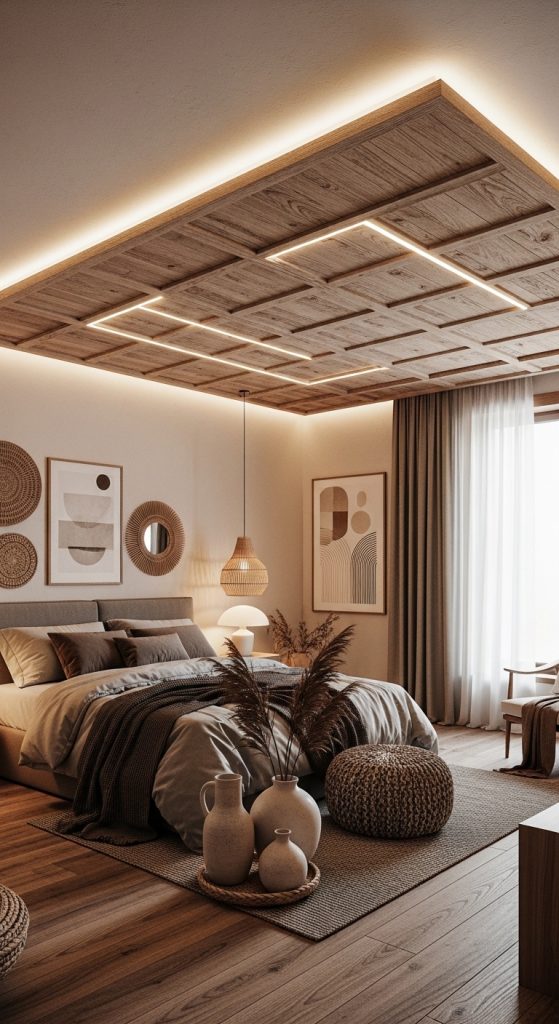
Wooden panel ceilings introduce natural texture and warmth. This design complements both modern and rustic interiors.

Attach wooden panels to the drop ceiling frame and finish with polish or paint. Ensure proper alignment for a clean look.
Idea 5: Geometric Pattern Drop Ceiling
How to Create
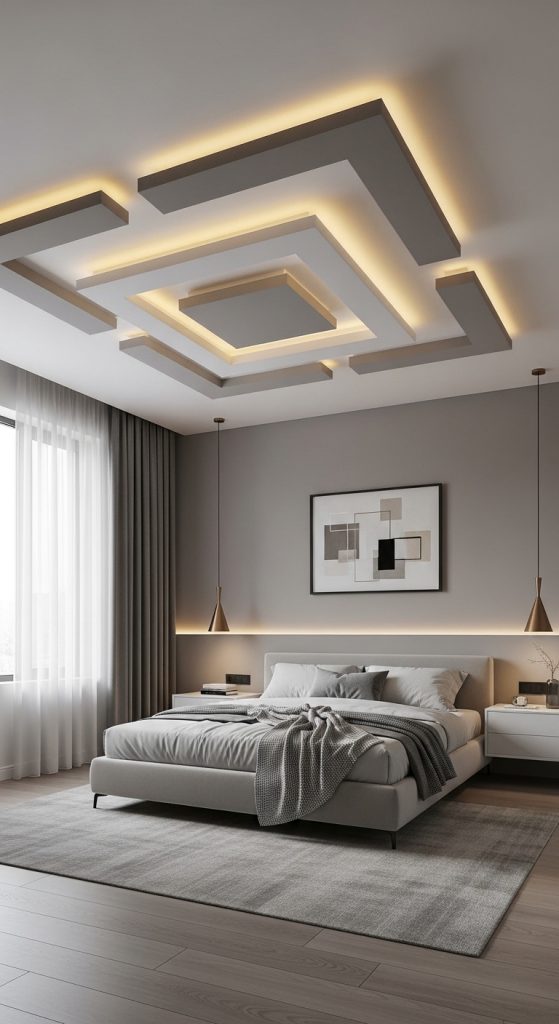
Geometric designs add structure and visual interest. This style is commonly used in modern interiors.
Create patterns using panels and secure them evenly. Paint the shapes for contrast. This approach enhances visual organization.
Idea 6: Multi-Level Drop Ceiling
How to Create
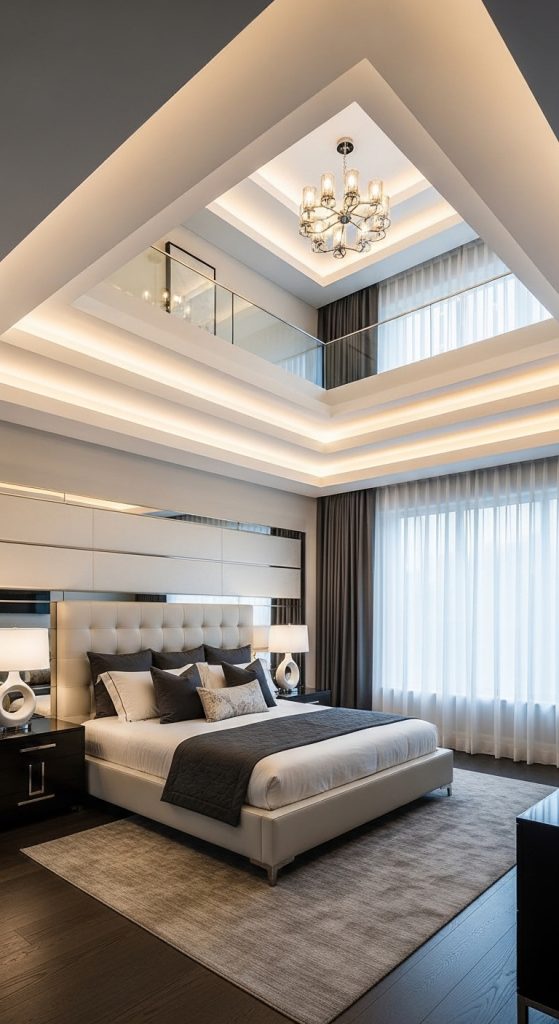
Multi-level ceilings add depth through layered structures. This design creates a dynamic and modern appearance.

Install multiple layers at different heights and secure them properly. Integrate lighting for enhanced effect.
Idea 7: Fabric Drop Ceiling Design
How to Create
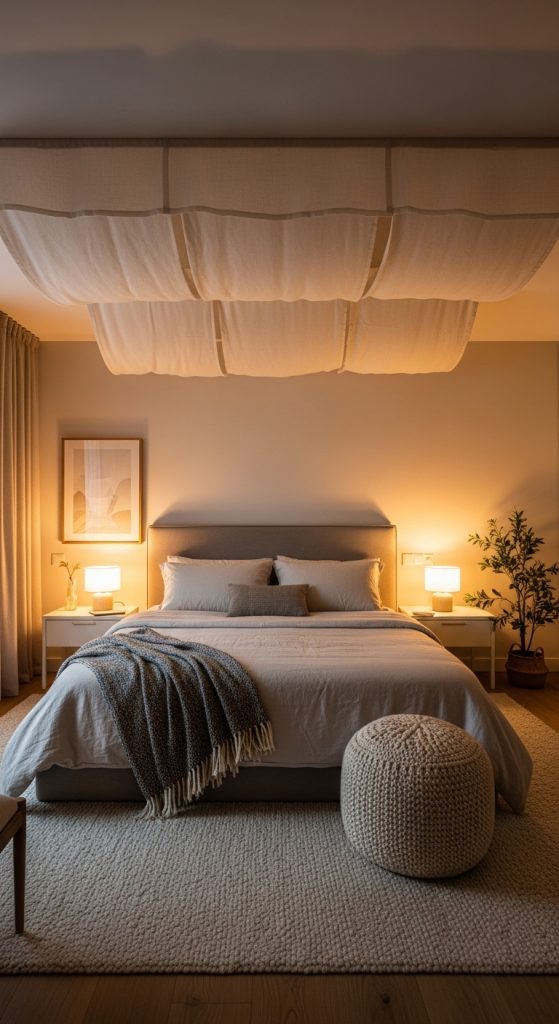
Fabric ceilings create a soft and textured appearance. This design improves comfort and adds a unique aesthetic.
Stretch fabric across the frame and secure it evenly. Ensure smooth installation for a clean finish.
Idea 8: Metallic Finish Drop Ceiling
How to Create
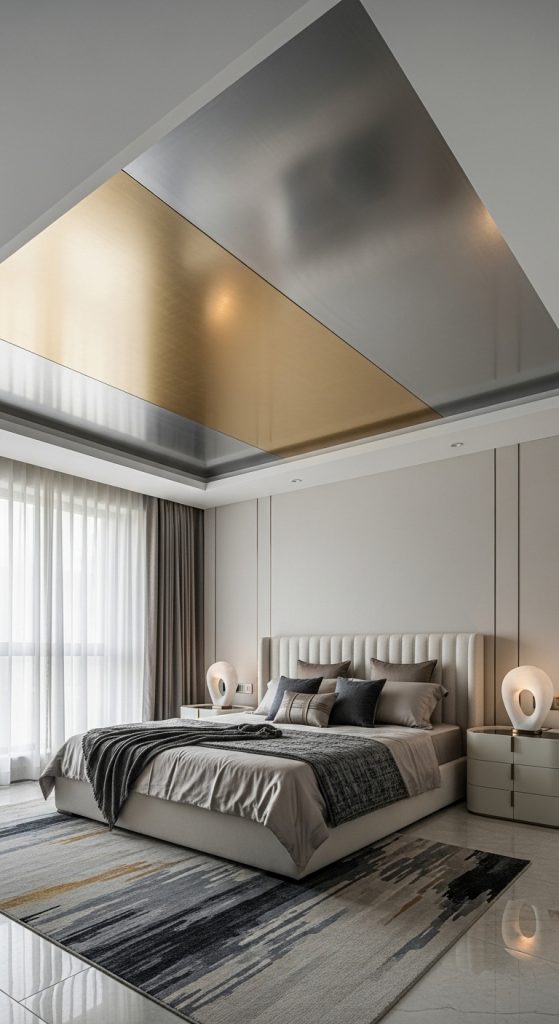
Metallic ceilings reflect light and enhance brightness. This design adds a modern and elegant touch.

Apply metallic panels or paint evenly across the ceiling. Ensure proper finishing for a consistent look.
Idea 9: Ceiling Tile Grid Design
How to Create
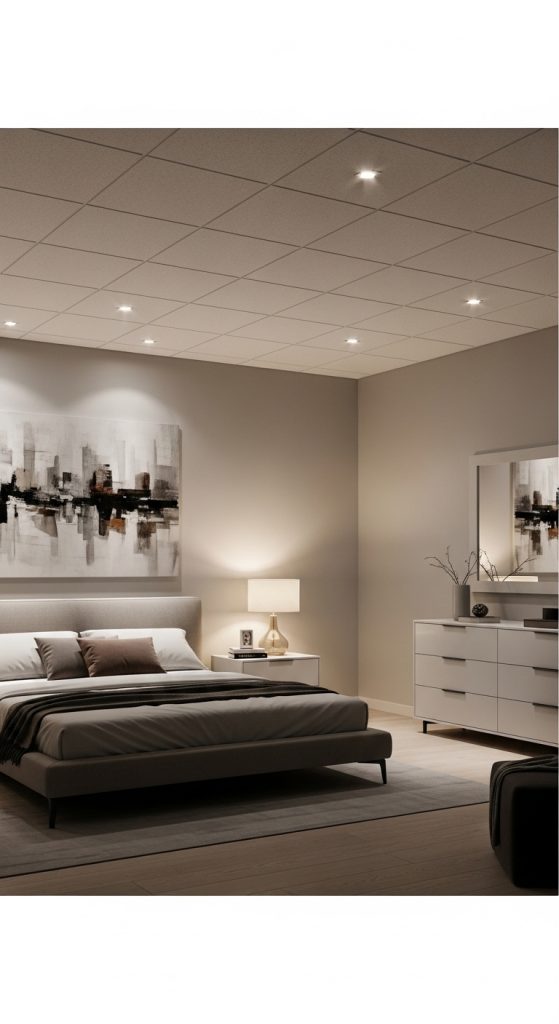
Tile grid ceilings provide a structured and organized appearance. This design is practical and easy to maintain.
Install grid systems and place tiles within the frame. Ensure alignment and stability.
Idea 10: Integrated Fan Drop Ceiling
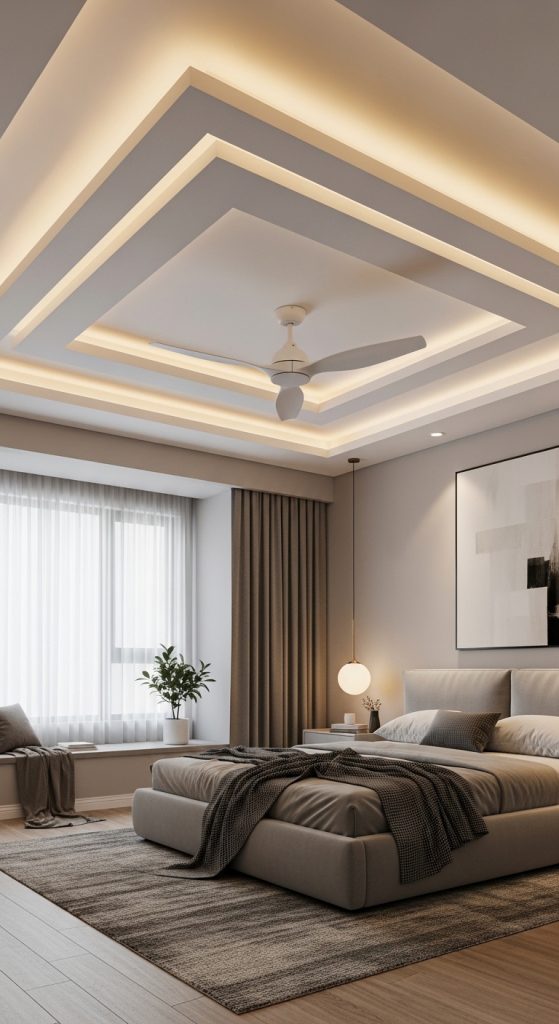
How to Create
This design integrates ceiling fans within the drop structure for a seamless look. It improves both functionality and design.

Install the fan support within the frame and secure the ceiling panels around it. Ensure proper spacing and safety.
Common Beginner Mistakes and How to Avoid Them
One common mistake in drop ceiling projects is inaccurate measurement, which leads to uneven alignment and structural issues. Measuring the room carefully before installation ensures proper fitting and symmetry. Another issue is using unsuitable materials that may not support the ceiling structure effectively. Selecting lightweight and durable materials improves safety and longevity. Poor planning of lighting and wiring can also create complications during installation. It is important to plan these elements in advance to avoid rework. Skipping surface preparation or failing to check the original ceiling condition can result in unstable installations. Additionally, rushing the process often leads to misalignment and poor finishing. Following a clear step by step approach and allowing adequate time for each stage helps prevent these problems and ensures a successful outcome.
Practical Tips for Better Results
Achieving high-quality drop ceiling results requires attention to detail and consistent execution. Always use a level tool to maintain straight lines and proper alignment. Work in sections to ensure accuracy and avoid mistakes. Selecting neutral colors helps create a balanced and cohesive look. Testing lighting placement before final installation ensures proper illumination. Keeping tools organized improves workflow efficiency. These practical tips support better results and a smoother DIY experience.
Styling, Presentation, or Organization Ideas
Drop ceilings should complement the bedroom’s overall design to create a cohesive environment. Coordinating ceiling colors with walls and furniture enhances visual harmony. Lighting elements should be arranged to highlight key areas of the room. Minimalist designs benefit from clean lines, while more detailed structures can incorporate layered elements. Organized planning ensures a balanced and visually appealing result.

Budget or Time Planning
Effective planning helps manage both time and budget. Choosing cost-effective materials such as gypsum boards and simple lighting reduces expenses. Dividing the project into stages allows for better time management. Preparing all tools and materials in advance prevents delays. Simple designs require less time and effort, making them suitable for beginners.
Creative Expansion and Advanced Inspiration
Advanced drop ceiling designs can combine multiple techniques such as layered structures and integrated lighting. Experimenting with textures and patterns enhances creativity. Larger spaces allow for more complex designs, including multi-level ceilings with advanced lighting systems. Continuous exploration leads to unique and personalized bedroom interiors.