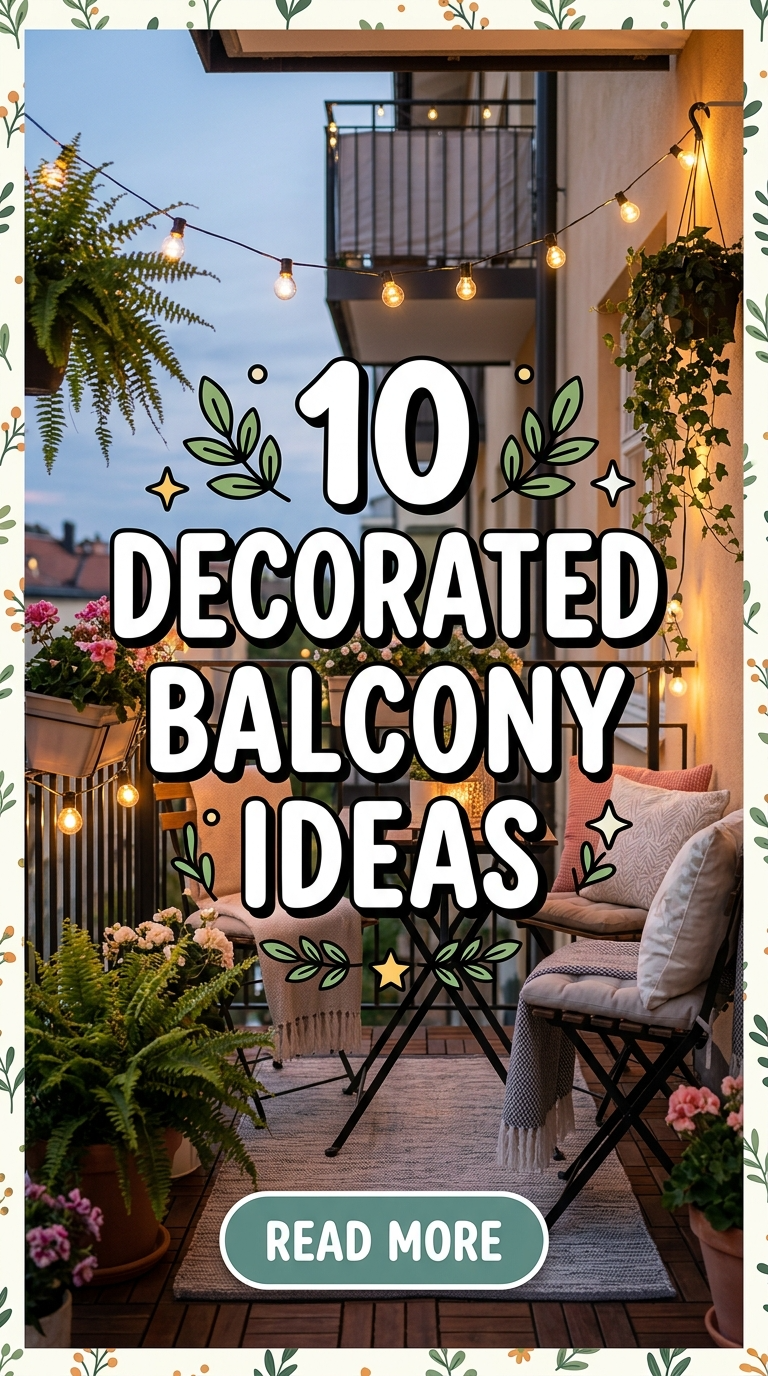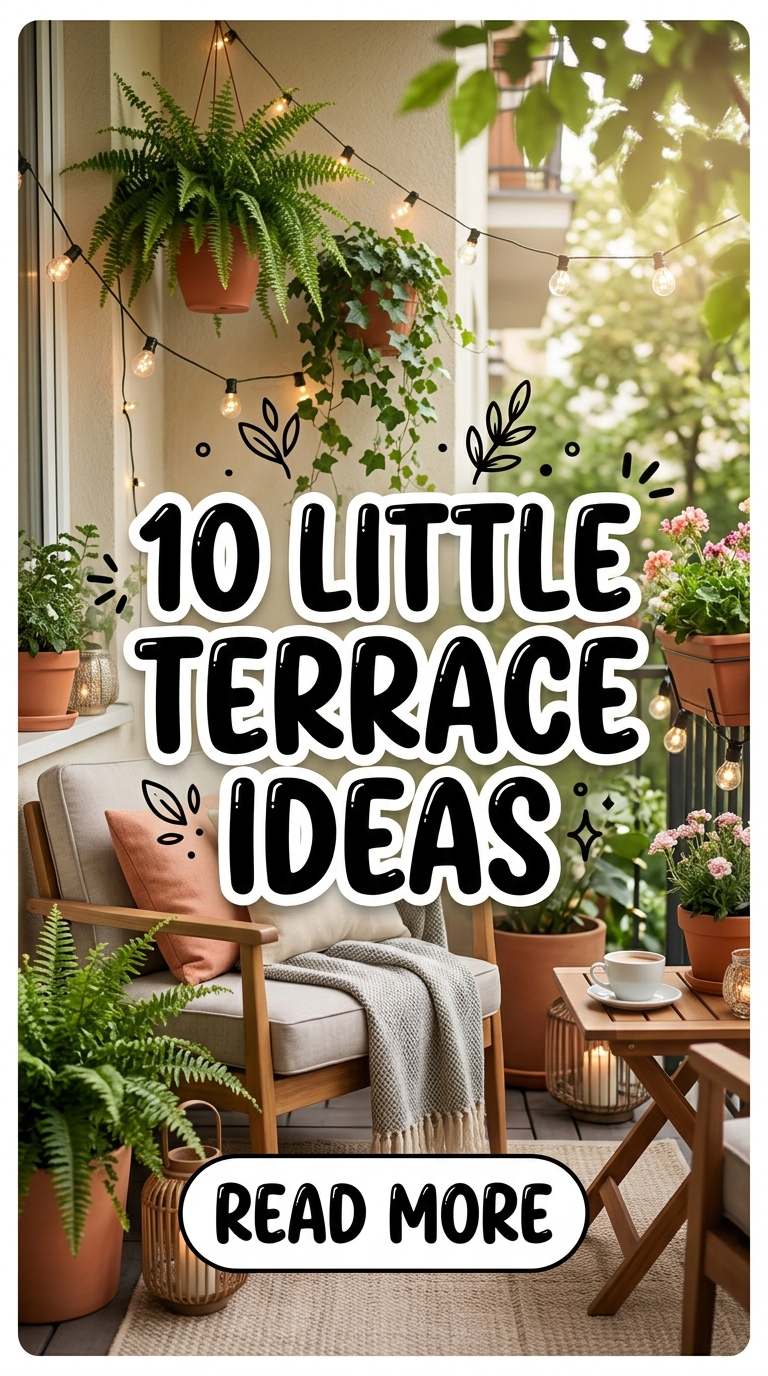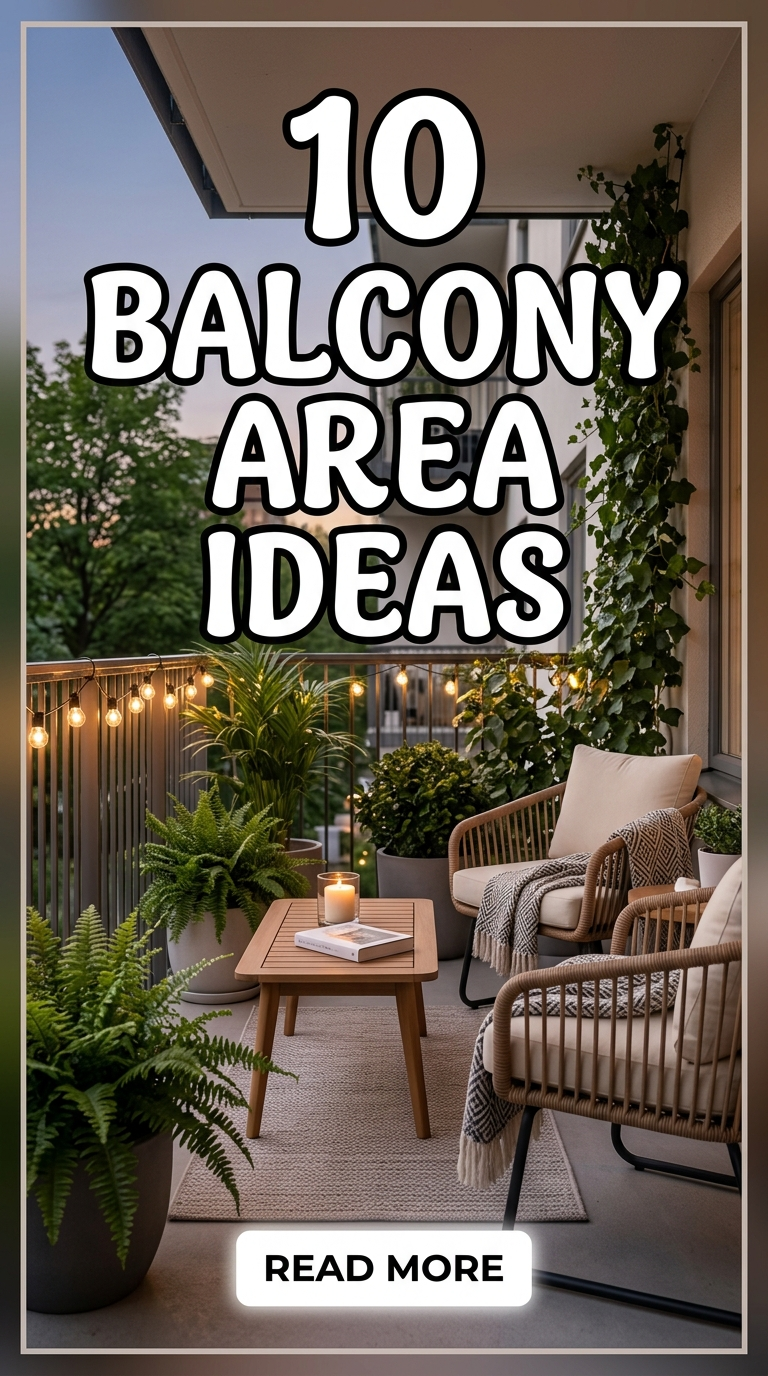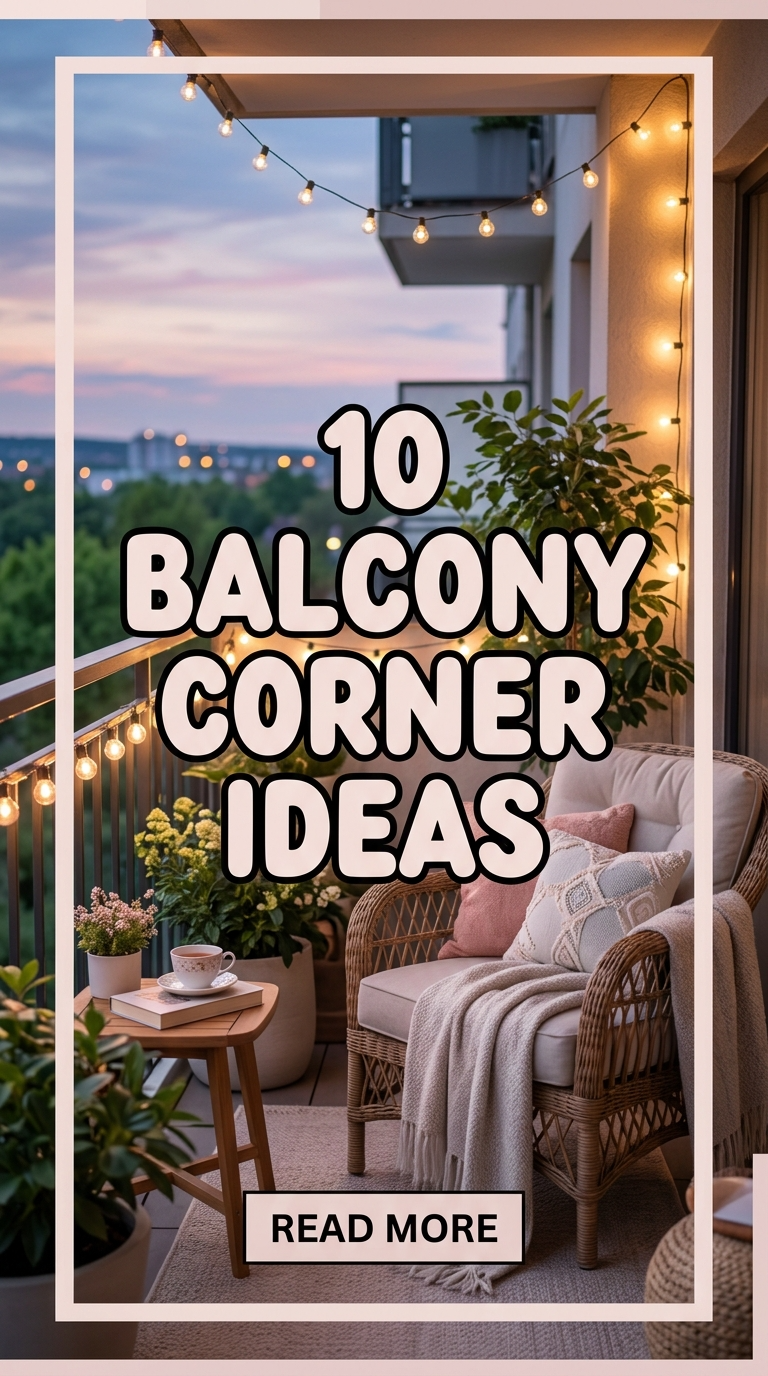
10 Balcony Corner Ideas

Balcony corners often remain underused because they are treated as leftover spaces rather than functional parts of a home. Modern Pinterest ideas focus on transforming these compact areas into stylish and practical outdoor extensions that improve comfort, organization, and visual appeal. A well-designed balcony corner can support multiple purposes, including relaxation, storage, gardening, dining, or decorative display. Even a very small balcony can become more functional when every corner is planned carefully using beginner friendly DIY methods and smart organization techniques.
This article explains how to create balcony corner setups that combine aesthetic decoration with realistic everyday use. Readers will learn step by step methods for designing reading corners, plant displays, storage solutions, minimalist seating areas, and creative home decor arrangements. Each idea includes practical planning guidance, materials, setup instructions, and styling inspiration suitable for different balcony sizes and budgets. The article also explains common mistakes, organization strategies, and ways to improve project results using simple materials and modern design principles. These creative ideas are especially useful for apartment living because they maximize limited outdoor space while maintaining a clean and balanced appearance. With proper planning and thoughtful decoration, balcony corners can become highly functional and visually attractive areas that improve daily living.
Why This Idea Is Trending or Useful
Balcony corner projects continue to trend across Pinterest inspiration boards because they offer practical solutions for small-space living. Many people live in apartments or compact homes where balconies provide the only outdoor area available. Instead of leaving corners empty or cluttered with unused items, homeowners now use creative ideas to transform these spaces into organized and visually appealing environments. Balcony corners are especially useful because they can support relaxation, storage, gardening, or social seating without requiring major renovation work.
The popularity of these DIY projects also comes from their accessibility. Most balcony corner ideas use affordable materials, simple tools, and beginner friendly setup methods. Pinterest trends often highlight minimalist style arrangements that rely on clean layouts, soft lighting, handmade decoration, and natural textures to create calm outdoor environments. These projects are also flexible because they can be adjusted for different budgets, weather conditions, and balcony sizes. Another reason for their popularity is the growing interest in home decor projects that improve comfort without consuming large amounts of indoor space. Balcony corner setups allow homeowners to create functional outdoor retreats while maintaining organization and modern design consistency. With thoughtful planning and efficient use of materials, even the smallest balcony corner can become a highly practical and aesthetic part of the home.
Materials and Preparation
Proper preparation is important before starting any balcony corner DIY project. The first step involves measuring the balcony corner carefully to understand how much furniture, storage, or decoration can fit comfortably within the area. Overcrowding should always be avoided because small balconies require clear movement space to remain functional. Common materials used for balcony corner projects include outdoor rugs, compact furniture, weather resistant cushions, wooden crates, shelves, hanging planters, baskets, lanterns, and lightweight tables. Neutral colors and natural textures often work best because they support modern design and minimalist style trends.
Cleaning the balcony thoroughly before starting the setup improves organization and helps identify unused items that should be removed. Planning should also include consideration of sunlight exposure, wind conditions, and moisture levels because these factors affect furniture durability and plant selection. Lightweight and movable materials are recommended because they simplify rearrangement and maintenance. Beginners should create a simple layout sketch before purchasing materials to avoid unnecessary spending and poor organization. Multi-functional items such as storage benches or foldable tables are especially practical for compact balconies. It is also important to choose weather resistant fabrics and durable surfaces that can handle outdoor conditions throughout the year. Careful planning makes the entire creative project easier to manage while improving both appearance and functionality.
Idea 1: Cozy Reading Balcony Corner
How to Create
A cozy reading balcony corner creates a comfortable outdoor retreat designed for relaxation and quiet activities. This Pinterest inspired setup works especially well in apartments where indoor space may feel crowded or visually busy. The goal of this design is to create a calm atmosphere using soft textures, compact seating, layered lighting, and organized decoration. Small balcony corners are ideal for reading areas because they naturally feel enclosed and private when arranged properly. Neutral tones such as beige, gray, white, or soft brown help maintain a minimalist style while improving visual comfort. Natural materials such as wood, cotton, and woven textures strengthen the relaxing aesthetic and support modern home decor trends.
Compact seating options are essential for maintaining balance within the balcony layout. A cushioned chair, low bench, or floor seating arrangement can create comfort without occupying excessive space. Decorative cushions and lightweight blankets improve warmth while adding visual texture to the setup. Lighting also plays an important role in creating the correct atmosphere. Warm string lights or battery powered lanterns create soft illumination suitable for evening reading. Small potted plants placed beside the seating area help soften the appearance and introduce natural elements into the design. This beginner friendly balcony corner idea combines comfort, organization, and aesthetic decoration in a practical and realistic way.
To build this reading corner step by step, begin by placing an outdoor rug inside the selected balcony corner to define the space visually. Position the chair or bench against the wall or railing to maximize floor space and improve movement around the balcony. Add weather resistant cushions in coordinated colors to create a layered and comfortable appearance. A small side table or wooden crate can function as a compact storage solution for books, candles, or drinks. Floating shelves installed above the seating area provide additional organization without reducing floor space.

Attach string lights carefully along the railing or upper wall section to create balanced lighting throughout the corner. If the balcony receives strong sunlight during the day, lightweight curtains or bamboo shades can improve comfort and reduce heat exposure. Decorative accessories should remain minimal to avoid visual clutter. A woven basket for magazines or folded blankets can strengthen the handmade aesthetic while improving organization. Plants such as small ferns or trailing vines can be added for natural decoration without overwhelming the setup. This easy project transforms an unused balcony corner into a relaxing retreat that supports both functionality and aesthetic inspiration.
Idea 2: Vertical Garden Corner
Step-by-Step Guide
A vertical garden corner is one of the most practical balcony corner ideas because it introduces greenery without consuming large amounts of floor space. This setup uses upward organization methods to display plants in a compact and visually balanced arrangement. Vertical gardens are highly popular within Pinterest ideas because they combine decoration, organization, and gardening in one beginner friendly project. This concept works especially well for apartment balconies where outdoor space is limited but natural elements are still desired. Herbs, flowers, hanging vines, and decorative foliage can all be incorporated into the design depending on sunlight conditions and maintenance preferences.
The visual structure of a vertical garden depends heavily on organized layering and proper spacing between plants. Crowded arrangements often appear messy and reduce airflow around the plants. Wooden pallets, metal grids, ladder shelves, and wall mounted planters are commonly used materials because they provide strong vertical support while maintaining a clean appearance. Neutral colored planters help maintain visual consistency and allow greenery to become the main decorative focus. Combining different leaf textures and plant sizes creates depth while preventing the setup from looking flat or repetitive. This creative project improves home decor while bringing natural freshness into the balcony environment.
To create this balcony garden step by step, begin by securing a wooden pallet, metal frame, or shelving unit against the balcony wall. Stability is important because outdoor conditions such as wind can affect lightweight structures. Arrange planters at different heights to create layered visual balance and improve accessibility during watering. Use lightweight pots with proper drainage holes to prevent water accumulation and protect balcony flooring. Plants that require similar sunlight and watering conditions should be grouped together for easier maintenance.

Install hanging baskets near the upper section of the structure to maximize vertical organization while preserving open floor space. Decorative lanterns or compact string lights can be added to improve evening appearance without distracting from the plants themselves. Small storage baskets beneath the shelves can hold gardening tools, gloves, or watering supplies while maintaining organization. Weather resistant materials should always be prioritized to improve durability and reduce maintenance requirements. This DIY tutorial creates a refreshing outdoor corner that combines modern design, practical gardening, and minimalist style in a compact and highly functional arrangement.
Idea 3: Minimalist Coffee Balcony Setup
How to Make
A minimalist coffee balcony setup creates a clean and functional outdoor area suitable for morning routines, quiet breaks, or casual conversations. This balcony corner idea focuses on simplicity, organization, and efficient use of space. Pinterest inspiration frequently highlights minimalist outdoor setups because they create calm environments without excessive decoration or clutter. The key elements of this design include compact furniture, neutral colors, smooth surfaces, and carefully selected accessories that support both comfort and visual balance. Small balconies benefit greatly from minimalist organization because open space improves movement and prevents the area from feeling crowded.
A compact café table paired with foldable chairs creates the foundation for this setup. Black, white, gray, or natural wood finishes often work best because they align with modern design trends and maintain timeless visual appeal. Soft seat cushions can improve comfort while introducing subtle texture variation into the arrangement. Decorative elements should remain simple and practical. Small potted plants, ceramic containers, or woven trays can strengthen the aesthetic without reducing functionality. Lighting should also remain understated. Warm lanterns or compact wall lights create a relaxed atmosphere while preserving the minimalist style. This easy project is highly beginner friendly and works well for both large and compact balconies.
To create this balcony coffee corner, begin by selecting the quietest and most open corner of the balcony. Position a compact table near the railing to maximize natural light and maintain comfortable movement throughout the space. Foldable chairs are especially useful because they can be stored easily when additional balcony space is required. Place a small outdoor rug beneath the furniture to visually separate the coffee area from the rest of the balcony. Choose weather resistant materials to improve durability and simplify maintenance.

Install a narrow wall shelf above the seating area to hold small decorative accessories such as candles, books, or miniature plants. Use coordinated colors throughout the setup to maintain visual consistency and prevent the balcony from appearing disorganized. Lightweight curtains or bamboo shades can improve comfort during strong sunlight conditions. Decorative items should always support functionality rather than create unnecessary clutter. This balcony corner arrangement combines aesthetic decoration with realistic everyday use while maintaining the clean and organized appearance associated with modern minimalist style trends.
Idea 4: Rustic Wooden Storage Corner
Setup Method
A rustic wooden storage corner improves balcony organization while adding decorative warmth through natural textures and handmade materials. Many balconies become cluttered because outdoor tools, cushions, cleaning supplies, and decorative accessories are stored without structure. This Pinterest inspired balcony corner idea solves that problem by combining functional storage with aesthetic home decor. Rustic styles work especially well in outdoor environments because wood, woven materials, and earthy colors create a relaxed and welcoming atmosphere. The design focuses on practical organization while maintaining visual balance and open floor space.
Wooden crates, compact shelving units, and storage benches are commonly used because they support both functionality and decoration. Lightly distressed finishes or unfinished wood surfaces strengthen the handmade appearance while complementing plants and outdoor textiles. Neutral tones such as beige, brown, olive, and gray help maintain consistency throughout the setup. Decorative baskets and fabric liners improve organization by separating smaller items into clearly defined sections. Small lanterns, potted plants, or candles can soften the appearance of the storage structure while preventing the area from feeling overly practical or industrial. This beginner friendly project supports both storage efficiency and aesthetic decoration without requiring complicated construction methods.
To build this rustic storage corner step by step, begin by selecting stackable wooden crates or narrow shelves that fit comfortably inside the balcony corner. Position larger crates at the bottom for stability and smaller sections above to maximize vertical organization. Secure stacked crates together using brackets or screws if additional stability is required. Use baskets or containers inside each compartment to organize gardening tools, cushions, blankets, or decorative accessories neatly. A storage bench with hidden compartments can provide additional seating while improving functionality.

Place a textured outdoor rug beneath the arrangement to define the corner visually and improve comfort. Add small plants along the upper shelves to introduce natural greenery and soften the appearance of the wood. Hanging hooks can also be attached beside the storage unit for lightweight tools or decorative lanterns. Weather resistant finishes should be applied to wooden materials to improve durability in outdoor conditions. This creative project transforms an unused balcony corner into an organized and visually attractive storage solution that supports modern home decor and practical daily use.
Idea 5: Bohemian Floor Seating Area
How to Create
A bohemian floor seating balcony corner creates a relaxed outdoor environment using layered textiles, low furniture, and artistic decoration. This style remains one of the most popular Pinterest ideas because it combines comfort, texture, and creative expression in a beginner friendly format. Bohemian balcony designs focus on soft seating, warm lighting, handmade details, and natural materials that create a welcoming atmosphere suitable for social gatherings or quiet relaxation. This setup works especially well in compact balconies because floor seating requires less space than traditional furniture arrangements.
The visual appeal of this design comes from layering. Outdoor rugs, oversized cushions, woven poufs, and textured blankets create depth and warmth throughout the balcony corner. Earth tones, muted colors, and natural materials such as cotton, jute, bamboo, and wood support the aesthetic while maintaining visual balance. Hanging lanterns, string lights, and woven wall decorations add decorative character without occupying floor space. Plants also play an important role in bohemian design because greenery softens the environment and strengthens the natural appearance of the setup. This easy project allows homeowners to create an artistic and comfortable balcony corner without major renovation work.

To create this floor seating arrangement step by step, begin by layering one or two outdoor rugs inside the balcony corner to establish the base of the setup. Arrange large floor cushions against the walls or railing to create comfortable seating without overcrowding the space. Add a low wooden table or tray in the center for drinks, candles, or decorative accessories. Use woven baskets nearby for storage to maintain organization while preserving the handmade aesthetic.
Install warm string lights along the railing or upper balcony wall to improve evening atmosphere and create soft lighting. Decorative lanterns or candles can also be placed around the seating area for additional visual warmth. Hanging plants or woven wall hangings can strengthen the artistic appearance while maintaining open floor space. Weather resistant fabrics should always be selected to improve durability and simplify maintenance. This beginner friendly DIY tutorial transforms an unused balcony corner into a highly comfortable and visually rich outdoor retreat suitable for both relaxation and social use.
Idea 6: Balcony Corner Herb Garden
Execution Process
A balcony corner herb garden combines decorative greenery with practical daily use, making it one of the most functional balcony ideas for small outdoor spaces. Herb gardens are especially popular in Pinterest inspiration because they support sustainable living, organization, and natural home decor. Fresh herbs such as basil, mint, rosemary, parsley, and thyme can grow successfully in compact containers when proper sunlight and watering conditions are available. This setup improves both the appearance and functionality of the balcony while introducing pleasant natural fragrance into the environment.
The structure of an herb garden should remain organized and easy to maintain. Tiered shelves, wall mounted planters, or vertical stands help maximize corner space while keeping herbs accessible during cooking or watering. Uniform containers create stronger visual balance and maintain a cleaner appearance throughout the arrangement. Labels can also improve organization while adding decorative detail to the setup. Natural materials such as terracotta pots, wooden shelves, and woven baskets complement the greenery and strengthen the handmade aesthetic associated with modern balcony decor trends. This beginner friendly project combines gardening and decoration in a practical and realistic way.
To create this balcony herb garden step by step, begin by choosing a balcony corner that receives sufficient sunlight for healthy plant growth. Position tiered shelves or wall mounted planters securely against the wall to maximize vertical organization. Fill lightweight pots with quality potting soil and arrange herbs according to their sunlight and watering requirements. Larger herbs should be placed near the bottom for stability, while smaller plants can occupy upper sections.

Use small watering cans, gardening gloves, and tools stored inside decorative baskets to maintain cleanliness and accessibility. Install compact solar powered lights or lanterns to improve visibility during evening use. Hanging hooks can support small planters without reducing available floor space. Decorative stones or wooden trays beneath the pots can improve organization while protecting balcony surfaces from excess water. This creative project transforms an empty balcony corner into a productive and visually attractive gardening space that supports both practical use and aesthetic decoration.
Idea 7: Compact Work-From-Home Balcony Corner
Step-by-Step Guide
A compact work-from-home balcony corner creates a functional outdoor workspace that improves focus while providing fresh air and natural lighting. Many modern Pinterest ideas emphasize outdoor workspaces because they help separate professional activities from indoor living areas. Even small balcony corners can support productive environments when organization and furniture placement are handled carefully. This setup works well for remote work, studying, writing, or creative hobbies while maintaining a clean and uncluttered appearance.
The foundation of this design is efficient space planning. Foldable desks, wall mounted tables, and lightweight chairs help maximize available floor space while supporting flexibility throughout the day. Minimal decoration is recommended because excessive accessories can reduce concentration and create visual distraction. Neutral tones and simple materials strengthen the minimalist style while improving visual comfort. Small plants can soften the appearance of the workspace without reducing functionality. Lighting should remain practical and balanced to support both daytime and evening productivity. This balcony corner project is highly useful for apartment living because it creates a dedicated workspace without requiring additional indoor rooms.
To build this outdoor workspace step by step, begin by selecting a balcony corner with adequate natural light and comfortable airflow. Install a narrow foldable desk or compact table against the wall to preserve movement space throughout the balcony. Position a lightweight ergonomic chair beneath the desk and ensure the setup remains stable on outdoor surfaces. Use wall shelves above the desk to organize books, office supplies, or decorative accessories neatly.
Cable organizers and compact storage containers improve organization while preventing clutter from accumulating around the workspace. A small outdoor rug can visually separate the office area from the rest of the balcony while improving comfort underfoot. Bamboo blinds or lightweight curtains can reduce glare during strong sunlight conditions. Decorative elements should remain simple and functional to maintain focus throughout work sessions. This easy project transforms an unused balcony corner into a productive and organized outdoor extension of the home.

Idea 8: Candle and Lantern Relaxation Space
How to Make
A candle and lantern balcony corner creates a calm outdoor environment focused on soft lighting and comfortable evening relaxation. This aesthetic setup remains highly popular in Pinterest inspiration because warm lighting dramatically improves the atmosphere of small outdoor spaces without requiring complicated renovation work. Lanterns, candles, and soft textiles work together to create a peaceful retreat suitable for reading, meditation, or casual conversation. The design emphasizes simplicity, warmth, and balanced decoration rather than large furniture arrangements.
Neutral tones and natural textures help strengthen the relaxing appearance of this setup. Woven baskets, textured cushions, wooden trays, and lightweight blankets add visual warmth while maintaining comfort. Battery powered candles are especially practical because they provide safe illumination without requiring open flames in compact balcony environments. Lanterns placed at different heights create layered lighting effects that improve visual depth throughout the corner. Small plants or decorative stones can soften the arrangement while introducing natural texture variation into the design. This beginner friendly balcony corner idea combines aesthetic decoration with realistic functionality in a highly accessible format.

To create this lighting focused balcony setup, begin by positioning a cushioned chair, floor seat, or compact bench inside the selected corner. Arrange lanterns of different sizes around the seating area to create balanced lighting distribution. Use battery operated candles inside glass holders or lantern frames to improve safety and simplify maintenance. String lights attached along the railing or upper wall section can provide additional ambient lighting without overwhelming the space.
Place a textured rug beneath the seating area to define the corner visually and improve comfort. Decorative trays can organize candles, books, or drinks neatly while preserving the minimalist style. Add lightweight blankets and cushions in coordinated colors to strengthen the relaxing atmosphere. Weather resistant materials should always be selected for fabrics and decorative elements exposed to outdoor conditions. This creative project transforms an unused balcony corner into a peaceful retreat suitable for evening relaxation and aesthetic outdoor living.
Idea 9: Modern Black and White Balcony Corner
Setup Method
A modern black and white balcony corner creates a clean and sophisticated outdoor environment using strong visual contrast and organized minimalist styling. This balcony corner idea remains highly popular across Pinterest inspiration boards because it combines simplicity with bold visual structure. Black and white color palettes work especially well in compact spaces because they create balance without requiring excessive decoration. The design focuses on geometric lines, uncluttered layouts, and carefully selected decorative elements that support modern home decor trends.
The visual strength of this setup comes from controlled contrast. Black furniture paired with white textiles or decorative accessories creates clear separation between elements while maintaining a cohesive appearance. Compact seating pieces such as slim benches, metal chairs, or foldable stools fit well within small balcony corners without reducing movement space. Textured materials such as woven rugs, ceramic planters, and linen cushions soften the strong contrast and prevent the arrangement from feeling cold or overly formal. Plants also play an important role because greenery introduces natural color variation that balances the monochromatic design. This beginner friendly project supports organization, aesthetic decoration, and practical outdoor living in a simple and realistic way.

To create this balcony corner step by step, begin by selecting compact black furniture pieces that fit comfortably inside the balcony layout. Position a narrow bench or chair against the wall or railing to maximize available floor space. Add white or light gray cushions to improve comfort while strengthening the visual contrast throughout the setup. Place a patterned outdoor rug beneath the seating area to define the corner visually and create additional texture.
Use black planters with green plants to maintain consistency while introducing natural decorative elements into the design. Floating shelves or slim storage units can organize candles, books, or decorative accessories without overcrowding the balcony. Warm white string lights or compact wall lanterns improve evening atmosphere while softening the strong monochrome palette. Decorative items should remain minimal to preserve the clean and organized appearance associated with minimalist style. This easy project creates a polished balcony corner that feels modern, balanced, and highly functional for everyday use.
Idea 10: Multi-Functional Balcony Lounge Corner
How to Create
A multi-functional balcony lounge corner combines relaxation, storage, and decorative organization in one highly efficient setup. This Pinterest inspired idea is especially practical for small balconies because it allows one corner to support multiple daily activities without becoming cluttered. The design focuses on flexibility and efficient planning through the use of compact furniture, hidden storage, layered lighting, and adaptable decorative elements. This type of arrangement works well for relaxing, reading, socializing, or enjoying morning coffee while maintaining strong visual organization.
The key advantage of a multi-functional setup is its ability to maximize limited balcony space. Storage benches, foldable tables, stackable stools, and compact shelving units help maintain functionality while preserving open floor areas. Neutral tones and natural textures support modern design trends and make the corner feel calm rather than overcrowded. Decorative accessories such as cushions, rugs, lanterns, and plants improve comfort while maintaining a cohesive aesthetic. Vertical organization methods are also important because they allow storage and decoration to expand upward rather than outward. This beginner friendly creative project improves both organization and usability in compact apartment balconies.

To build this balcony lounge corner step by step, begin by placing a storage bench inside the selected corner to create a foundation for seating and hidden organization. Use the internal storage area for blankets, cushions, gardening supplies, or seasonal accessories to reduce visible clutter. Position a compact foldable table beside the seating area for drinks, books, or decorative items. Add layered cushions and textured fabrics to improve comfort while introducing visual warmth into the setup.
Install floating shelves or hanging hooks above the seating area to support additional organization without reducing floor space. Decorative lanterns or warm string lights can create balanced evening lighting while improving atmosphere. Use woven baskets or containers to keep smaller items organized and visually consistent with the overall design. Small potted plants placed around the seating area soften the appearance and introduce natural freshness into the balcony environment. This DIY tutorial transforms an underused balcony corner into a highly versatile outdoor space suitable for multiple daily functions.
Common Beginner Mistakes and How to Avoid Them
One of the most common mistakes in balcony corner projects is overcrowding the space with excessive furniture and decoration. Small balconies require careful planning to maintain comfort and functionality. Many beginners attempt to include too many Pinterest ideas within one corner, resulting in layouts that feel visually cluttered and difficult to use. The most effective solution is prioritizing one primary function for the area, such as relaxation, storage, gardening, or dining. Multi-functional furniture can also reduce clutter while improving organization.
Another frequent mistake involves selecting unsuitable materials for outdoor use. Indoor fabrics, untreated wood, and low-quality decorative items often deteriorate quickly when exposed to sunlight, rain, or moisture. Weather resistant materials should always be prioritized to improve durability and simplify maintenance. Poor lighting choices can also affect the overall atmosphere. Harsh lighting creates discomfort, while insufficient lighting reduces usability during evening hours. Layered warm lighting usually provides the best results for balcony setups.
Ignoring balcony dimensions during planning often leads to poor furniture placement and restricted movement. Measuring the area carefully before purchasing materials helps prevent these problems. Maintenance is another important factor frequently overlooked by beginners. Easy access for cleaning, watering plants, and rearranging furniture should always be included in the original setup plan. Proper organization and realistic planning significantly improve the final appearance and long-term functionality of balcony corner projects.
Practical Tips for Better Results
Successful balcony corner projects depend heavily on thoughtful organization and consistent design planning. One of the most useful tips is selecting a clear visual theme before purchasing materials or decorative accessories. Minimalist style, rustic decoration, bohemian layouts, and modern monochrome designs all create different visual effects. Maintaining one consistent design direction improves balance and prevents the balcony from appearing disorganized. Coordinated colors and repeated textures also strengthen the overall aesthetic without requiring expensive materials.
Layering is another highly effective technique for improving balcony appearance. Rugs, cushions, blankets, plants, and lighting create depth while making compact spaces feel more comfortable and visually complete. Vertical organization methods such as wall shelves, hanging planters, or mounted hooks can maximize storage without reducing floor space. Foldable or movable furniture is also highly practical because it increases flexibility throughout the year. This approach is especially useful for balconies used for multiple functions.
Lighting should always be treated as part of the overall decoration rather than a separate feature. Warm string lights, lanterns, or solar powered fixtures generally create the most relaxing atmosphere. Natural greenery can also improve the visual quality of any balcony corner regardless of design style. Even one or two small plants can soften hard surfaces and strengthen the connection between indoor and outdoor living. Consistent cleaning and maintenance habits help preserve the aesthetic and functionality of the space over time.
Styling, Presentation, or Organization Ideas
Styling a balcony corner successfully requires balance between decoration and functionality. A visually attractive balcony should still remain practical for daily use. Pinterest inspiration often highlights spaces that feel organized, open, and comfortable rather than overcrowded with decorative accessories. One of the most effective styling methods is using layers of texture through rugs, woven baskets, cushions, blankets, and natural materials. These elements create visual warmth and depth while maintaining comfort within compact spaces.
Color coordination also plays an important role in balcony presentation. Neutral palettes such as white, beige, gray, black, and natural wood tones create timeless visual balance while supporting modern design trends. Accent colors should be introduced carefully through plants, cushions, or decorative accessories rather than large furniture pieces. Vertical decoration methods such as hanging plants or floating shelves improve organization while preserving open floor space. Grouping decorative items in small clusters often creates stronger visual structure than spreading objects randomly throughout the balcony.
Storage solutions should also contribute to the overall aesthetic rather than appear purely functional. Woven baskets, wooden crates, or fabric containers improve organization while complementing decorative themes. Seasonal adjustments such as lightweight blankets during colder months or fresh plants during warmer seasons can refresh the appearance without requiring a complete redesign. These styling strategies improve the visual impact of balcony corners while maintaining practical usability and organization.
Budget or Time Planning
Balcony corner projects can be completed successfully on both small and moderate budgets when planning is handled carefully. One of the most effective budget strategies involves repurposing existing household items instead of purchasing entirely new furniture or decorative accessories. Wooden crates, unused stools, baskets, leftover fabric, and small tables can often be transformed into highly functional balcony pieces through simple DIY methods. Painting, sanding, or adding cushions can dramatically improve the appearance of inexpensive materials while supporting handmade decoration trends.
Careful planning also helps reduce unnecessary spending. Creating a material list before shopping prevents duplicate purchases and improves overall organization throughout the project. Prioritizing essential furniture and storage items before decorative accessories allows the balcony to remain functional even when working within limited budgets. Multi-functional furniture pieces such as storage benches or foldable tables provide greater value because they support multiple uses within compact spaces.
Time management is equally important during balcony setup projects. Dividing the project into stages such as cleaning, layout preparation, furniture placement, lighting installation, and decorative styling makes the process easier to manage. Beginners should focus first on simple improvements such as rugs, cushions, lighting, and plants before attempting more advanced DIY construction work. Weather conditions should also be considered because outdoor projects are easier to complete during dry and moderate temperatures. Proper planning allows balcony corner projects to remain realistic, affordable, and highly achievable.
Creative Expansion and Advanced Inspiration
After completing a basic balcony corner setup, additional creative ideas can improve both functionality and visual appeal over time. Many advanced Pinterest ideas combine multiple design concepts into one cohesive arrangement. For example, a reading corner can also include hidden storage, vertical plant displays, or compact coffee seating. Combining functions within one balcony corner improves efficiency while maintaining organization in smaller outdoor spaces. Flexible furniture arrangements are especially useful because they allow the balcony to adapt to different daily activities.
Seasonal styling is another effective way to refresh balcony corners without rebuilding the entire setup. Lightweight blankets, seasonal plants, decorative lanterns, or updated cushion covers can create different moods throughout the year. Advanced DIY enthusiasts may also experiment with custom shelving, painted wall panels, or handmade decorative features that strengthen the individuality of the space. Natural materials such as bamboo, reclaimed wood, stone, or woven textures can improve the handmade aesthetic while supporting modern home decor trends.
Lighting upgrades also create dramatic visual improvement in balcony environments. Layered lighting using lanterns, wall fixtures, and indirect illumination often produces stronger atmosphere than relying on a single light source. Smart storage systems such as foldable furniture or hidden compartments can further maximize compact balconies while preserving open floor space. These advanced inspiration ideas help homeowners continue improving their balcony corners while maintaining practicality, organization, and long-term visual appeal.