Tiny homes have gained immense popularity in recent years, offering an alternative lifestyle that focuses on simplicity, functionality, and sustainability. While small in size, tiny homes present unique opportunities to design living spaces that are both beautiful and highly functional. Among the most challenging areas to design in a tiny home is the living room—a space that needs to accommodate relaxation, socializing, and often multi-functional activities.
In this article, we will explore ten inspiring tiny home living room ideas, highlighting design strategies, furniture choices, and decor tips that make these compact spaces both practical and visually appealing.

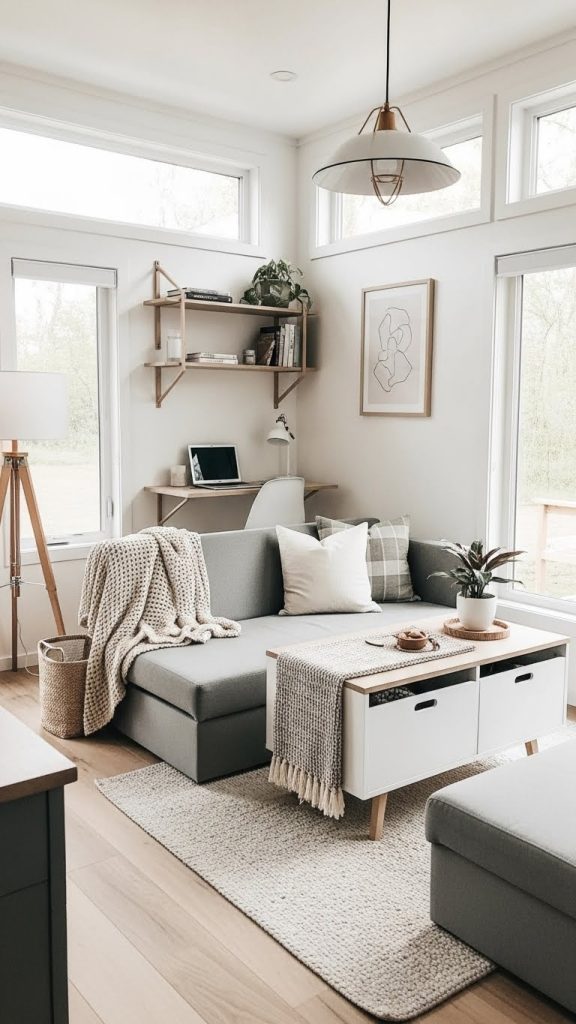
1. Multi-Functional Minimalist Living Room
In tiny homes, every square foot counts. A minimalist living room that emphasizes function and simplicity can transform a compact space into a comfortable and stylish retreat. Opt for modular furniture that can serve multiple purposes. For instance, a sofa that converts into a guest bed or ottomans that double as storage units helps maximize utility without crowding the room.
Neutral color palettes, such as shades of white, beige, or soft gray, can create the illusion of more space while keeping the room bright and airy. Incorporating built-in shelving along the walls provides storage for books, decor, and everyday essentials, eliminating the need for bulky furniture. The key to a minimalist tiny living room is intentionality—every item should serve a purpose while contributing to the overall aesthetic.

2. Scandinavian-Inspired Cozy Space
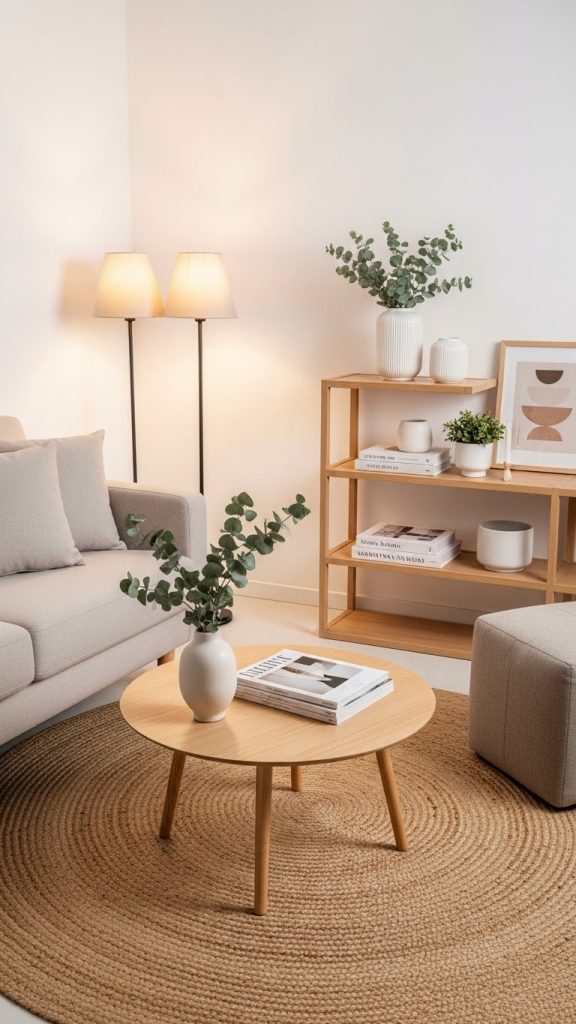
Scandinavian design is synonymous with simplicity, warmth, and functionality, making it an ideal approach for tiny home living rooms. This style often incorporates light woods, soft textiles, and a neutral color palette, creating a welcoming and uncluttered atmosphere.
To enhance comfort, consider a small but plush sofa paired with a knitted throw and a few textured cushions. Lighting plays a crucial role in Scandinavian interiors, so adding floor lamps, pendant lights, or wall sconces can help brighten the space without occupying valuable floor area. Minimalist wooden furniture with clean lines maintains a sense of openness, while strategically placed rugs define seating areas and add warmth.
3. Loft-Style Open Living Room
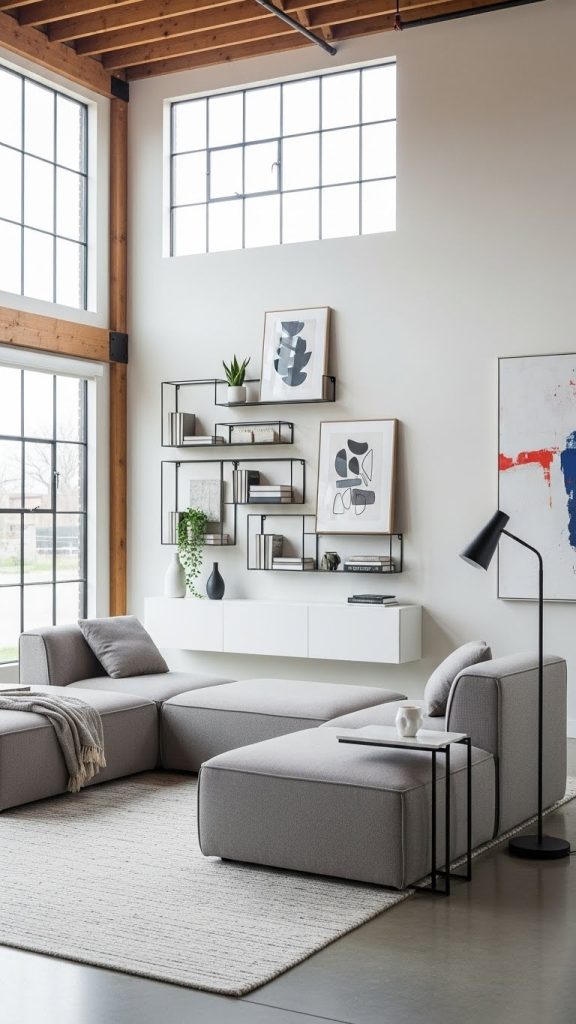
Tiny homes with lofted ceilings offer a unique opportunity to create a living room with an open, airy feel. By taking advantage of vertical space, designers can incorporate elevated sleeping areas or storage solutions while leaving the main floor open for living and entertaining.
In a loft-style tiny living room, furniture should be low-profile to maintain sightlines and prevent the space from feeling cramped. A compact sectional sofa or modular chairs arranged around a central coffee table can create a cozy conversation area without overwhelming the room. Wall-mounted shelves and hooks allow for additional storage while keeping the floor clear. Large windows or skylights further enhance the sense of openness by bringing in natural light.

4. Rustic Tiny Home Living Room
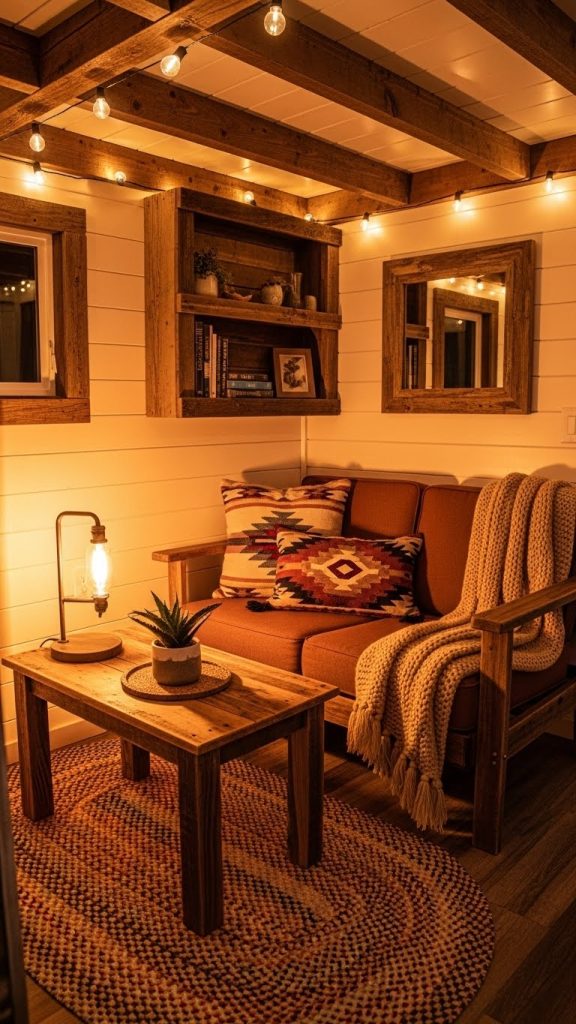
Rustic design adds warmth and character to a tiny home, combining natural materials with cozy furnishings. Wood paneling, exposed beams, and reclaimed wood furniture create a sense of history and charm, while soft textiles like wool or linen add comfort.
In a rustic tiny living room, prioritize furniture that is both functional and visually appealing. A small wooden bench with storage underneath can double as seating, while a compact armchair with a built-in side table provides versatility. Earthy color tones—such as deep browns, muted greens, and warm grays—create a calming environment. To keep the space from feeling heavy, balance the rustic elements with light-colored walls or accents of metal and glass.
5. Modern and Sleek Design
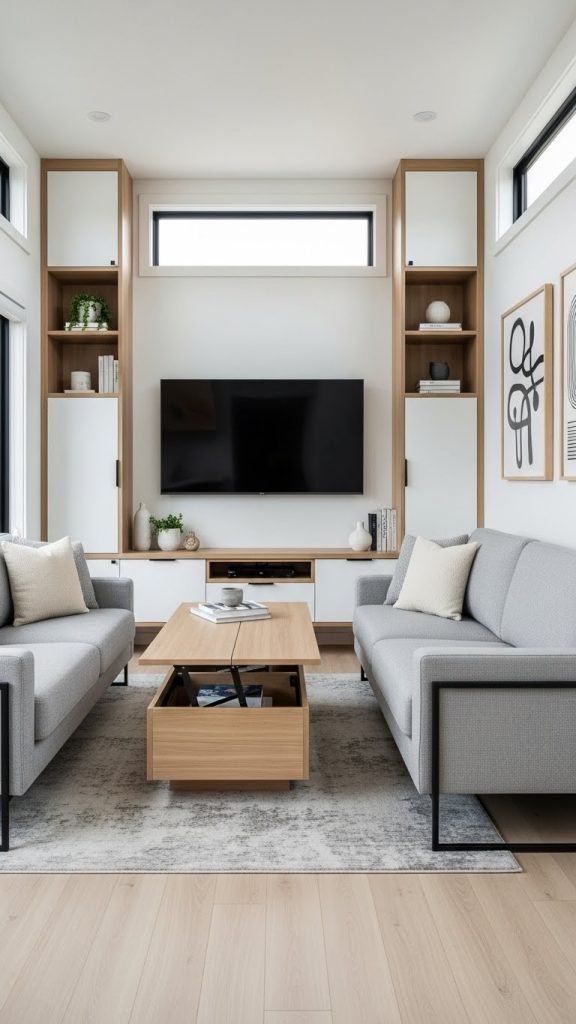
For those who prefer a contemporary aesthetic, a modern tiny home living room can feel stylish and uncluttered despite its small footprint. Modern design emphasizes clean lines, minimal ornamentation, and a limited color palette, often incorporating bold accent pieces to add personality.
Select furniture with slim profiles and hidden storage to reduce visual clutter. A floating media console or wall-mounted TV keeps the floor area open, while multi-functional coffee tables and nesting side tables add flexibility. Incorporating mirrors or glass surfaces can further enhance the sense of space by reflecting light and creating depth.
6. Nature-Inspired Living Room
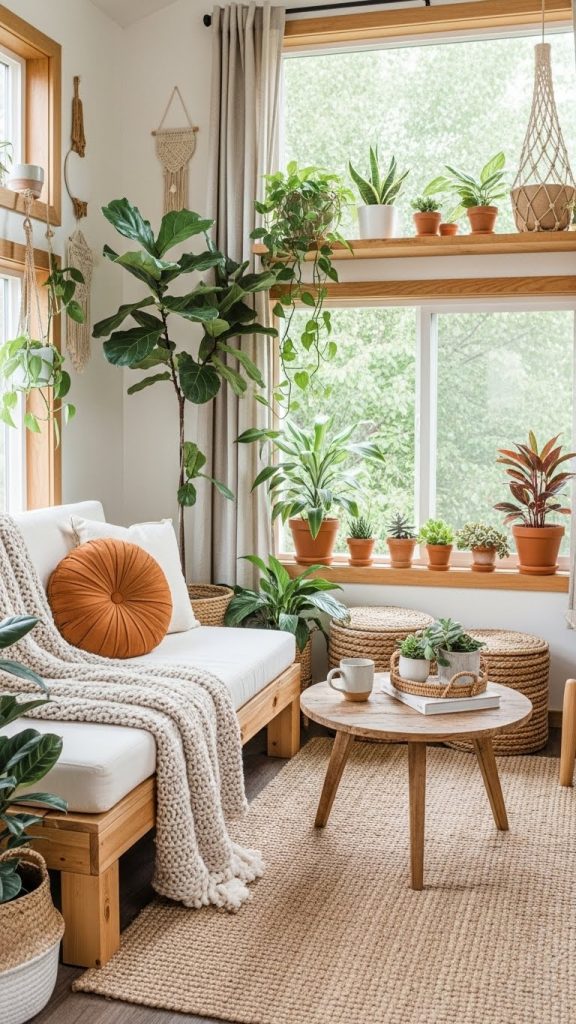
Bringing elements of nature into a tiny living room can create a serene and rejuvenating environment. Plants, natural fibers, and organic textures help soften compact spaces and provide a sense of connection to the outdoors.
Consider placing a few potted plants on floating shelves or in corners that receive ample sunlight. Furniture made of natural wood, rattan, or bamboo adds warmth and texture, while neutral or earth-toned textiles enhance the organic feel. To maximize space, select furniture that is lightweight and easy to move, allowing for flexible arrangements that adapt to your lifestyle.
7. Bohemian-Inspired Living Room
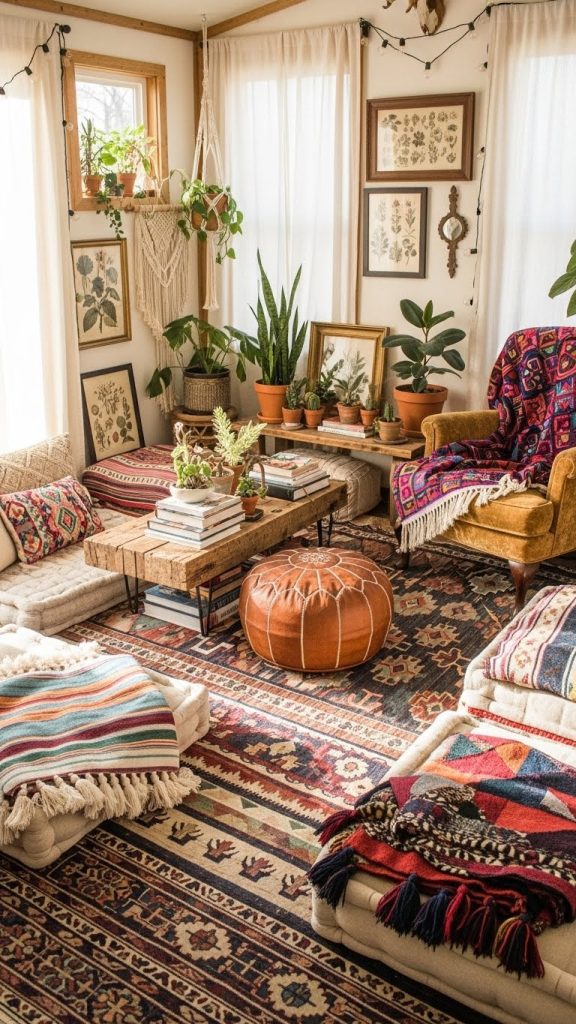
Bohemian design embraces color, texture, and eclectic decor, making it ideal for tiny homeowners who want a lively and personalized living room. Layering rugs, cushions, and throws creates a cozy, inviting atmosphere, while decorative wall hangings and artwork reflect your personality and style.
In a tiny home, it’s important to balance the vibrant bohemian elements with functional furniture. Opt for low seating options, such as floor cushions or poufs, which can be moved around easily. Use storage baskets and multi-purpose furniture to keep the room organized without sacrificing aesthetic appeal. Incorporating natural light and greenery enhances the bohemian vibe while preventing the space from feeling cluttered.

8. Industrial Tiny Living Room
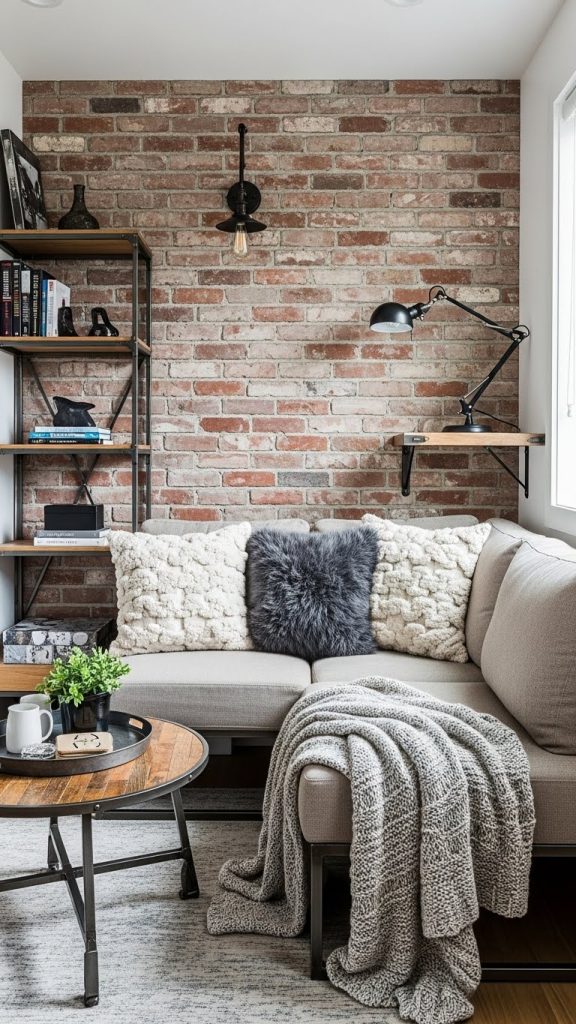
Industrial design brings an edgy, urban feel to tiny living rooms through the use of raw materials, exposed metal, and a neutral color palette. Concrete, brick, and steel accents create a modern and bold aesthetic, while carefully chosen furniture ensures the space remains functional and comfortable.
Compact industrial furniture, such as metal-framed sofas or wooden tables with steel legs, works well in a tiny living room. Open shelving units and wall-mounted storage maintain an airy feel while providing space for essentials. To soften the industrial look, incorporate textiles like plush rugs, cushions, and throws in muted tones, creating a balance between rawness and comfort.
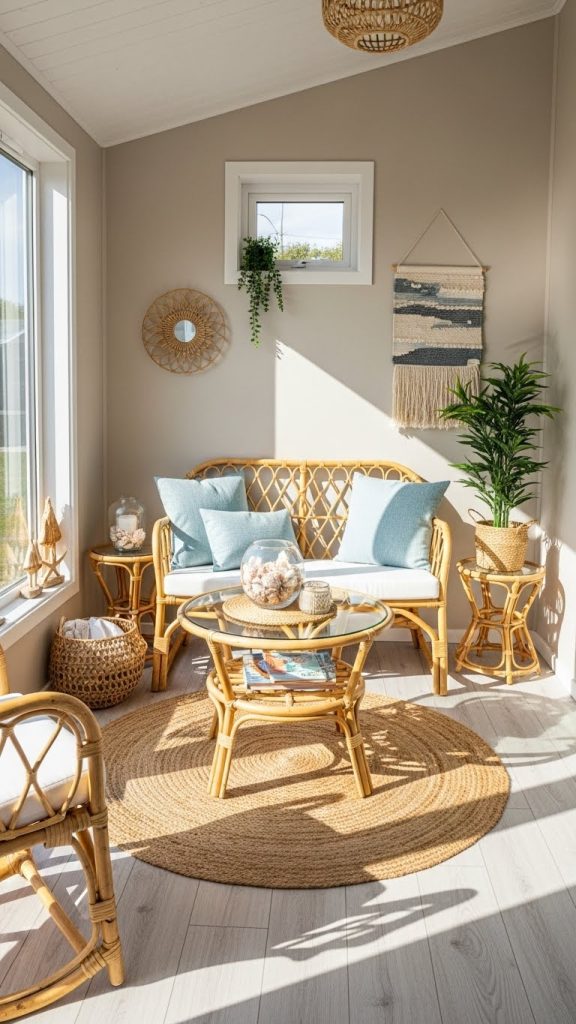
9. Coastal Tiny Home Living Room
Coastal-inspired design evokes a sense of calm and relaxation, making it perfect for tiny homes, especially those near water or nature. Soft blues, whites, and sandy neutrals dominate the color palette, while natural materials like wicker, rattan, and light wood create a breezy, relaxed atmosphere.
In a coastal tiny living room, prioritize furniture that is both light and versatile. A compact sofa paired with a small coffee table or poufs allows for flexible seating arrangements. Decorative accents like seashells, driftwood, or nautical-themed artwork add charm without overwhelming the space. Large windows or strategically placed mirrors help maximize natural light, enhancing the open and airy feel typical of coastal design.

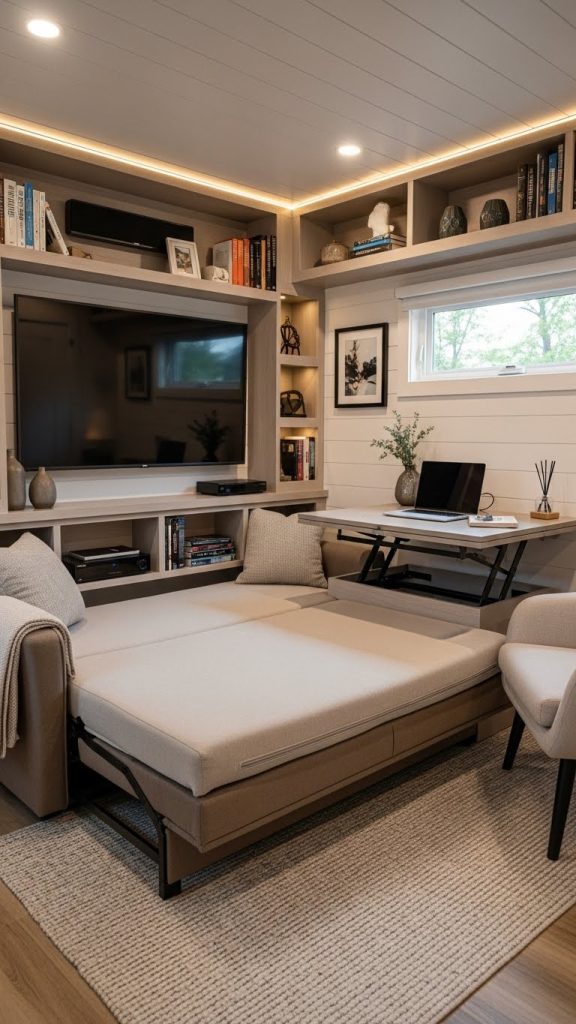
10. Compact Entertainment-Focused Living Room
For tiny homeowners who enjoy hosting guests or watching movies, designing an entertainment-focused living room requires careful planning to ensure comfort and functionality. Multi-functional furniture, such as fold-out sofas or storage ottomans, allows the room to adapt to different activities.
Wall-mounted TVs, sound systems, and shelving units save valuable floor space, while compact seating arrangements ensure everyone has a comfortable spot without overcrowding the room. Incorporate flexible lighting solutions, such as dimmable ceiling lights or floor lamps, to create the right ambiance for both relaxation and social gatherings. Finally, thoughtful decor choices, such as minimal artwork or statement pieces, help maintain a stylish yet practical environment.
Conclusion
Designing a living room in a tiny home is an exercise in creativity and intentionality. By carefully selecting furniture, color schemes, and decor elements, you can create a space that feels open, inviting, and highly functional. Whether your style is minimalist, rustic, bohemian, or coastal, the key to a successful tiny home living room lies in maximizing space without sacrificing comfort or aesthetics.
These ten tiny home living room ideas demonstrate that compact spaces can be stylish, practical, and cozy, providing endless inspiration for homeowners seeking to make the most of their limited square footage. With careful planning and thoughtful design, a tiny living room can become the heart of your home—a place to relax, entertain, and enjoy the simplicity of small-space living.
