
Pottery has long been cherished not only as a functional craft but also as a form of artistic expression. The smooth curves of a vase, the delicate shape of a bowl, or the simple elegance of a plate can all serve as a canvas for imagination. Painting on pottery elevates everyday objects into art pieces that are both functional and visually appealing. Whether you are an experienced potter or a beginner looking to explore your creativity, the following ten pottery art painting ideas will provide inspiration and practical guidance for your next project.

1. Geometric Patterns
Geometric patterns have a timeless appeal and can transform simple pottery into striking modern art. Straight lines, triangles, circles, and squares can be arranged symmetrically or asymmetrically for different visual effects. One of the advantages of geometric designs is that they can be adapted to fit any pottery shape, whether it is a round vase or a square plate.
To create a clean geometric pattern, use painter’s tape to mark off the sections before painting. You can also use stencils for more intricate shapes. For color schemes, monochromatic tones give a minimalistic and sophisticated look, while contrasting colors such as black and white or navy and gold create a bold visual impact. Geometric designs work particularly well for contemporary kitchenware or decorative pieces intended to complement modern interior design.

2. Nature-Inspired Motifs
Nature has always been a rich source of inspiration for artists. Painting leaves, flowers, trees, or even abstract representations of natural elements on pottery can evoke a sense of serenity and organic beauty. You might consider painting delicate cherry blossoms along the rim of a cup, or creating a leafy border around a serving bowl.

The key to nature-inspired pottery art is attention to detail and subtlety. Watercolor-like techniques can be used to give a soft, natural look, while layering shades can create depth and dimension. For a more rustic appeal, earthy colors such as greens, browns, and muted yellows often complement the natural theme. This approach works beautifully for home décor items like vases, plant pots, or serving platters.

3. Abstract Expressionism
Abstract pottery painting allows the artist to break free from structured forms and explore spontaneity. Using bold brushstrokes, splatters, and color blending, abstract designs can evoke emotions and energy rather than depict specific objects.
For beginners, abstract painting on pottery is forgiving because it does not require perfect symmetry or accuracy. You can experiment with brushes, sponges, or even your fingers to achieve unique textures. Colors can be layered to create depth, and metallic accents like gold or copper can add sophistication. Abstract designs are perfect for statement pieces that are meant to stand out as art objects, whether on a coffee table or displayed on a shelf.

4. Cultural and Ethnic Patterns
Incorporating cultural and ethnic motifs into pottery painting allows artists to celebrate heritage and global artistry. From intricate Moroccan tiles to Japanese Kintsugi-inspired designs, these patterns carry history and symbolism.

For example, using repetitive mandalas, tribal lines, or traditional motifs can add both elegance and a story to your pottery. Researching the cultural significance of these patterns ensures respectful and accurate representation. Earthy tones combined with vibrant colors often enhance the authenticity of ethnic designs. This style is especially suited for collectors, cultural gift items, and pottery exhibitions.

5. Minimalist Designs
Minimalism in pottery focuses on simplicity, clean lines, and subtle color palettes. A minimalist approach often involves painting small, precise elements like dots, stripes, or a single motif on a plain background. This style emphasizes the form of the pottery itself rather than overwhelming it with decoration.
To achieve a minimalist effect, neutral colors such as white, beige, or soft pastels work well. Sometimes leaving parts of the pottery unpainted adds to the aesthetic by creating a balance between negative and positive space. Minimalist designs are ideal for everyday functional pottery, such as mugs, bowls, or plates, where elegance is derived from restraint and thoughtful design.

6. Seasonal Themes
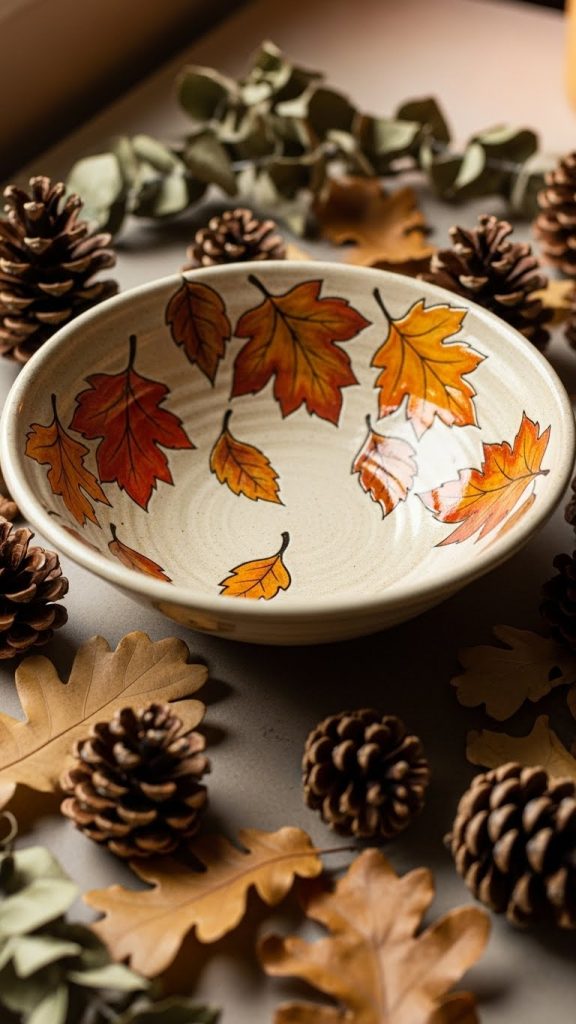
Pottery can serve as a canvas to reflect the beauty of the seasons. Painting seasonal motifs on pottery is an excellent way to create thematic collections that change with the year. For example, autumnal pottery might feature warm oranges, reds, and browns with leaves and acorns, while winter designs can incorporate icy blues, snowflakes, and subtle metallic accents.

Spring and summer pottery can be bright and cheerful, with floral designs, butterflies, and sunny colors. Seasonal designs not only make pottery visually appealing but also turn it into a functional décor piece for holidays and celebrations. These ideas are especially effective for limited edition collections, gifts, and festive tableware.
7. Storytelling Through Illustrations
Pottery can be a canvas for storytelling, allowing artists to convey narratives through illustrations. This could range from whimsical scenes, like animals in playful environments, to more profound narratives depicting life, nature, or mythology.
Illustrative pottery requires a careful balance between detail and scale. Smaller pottery pieces might feature simple vignettes, while larger vases and platters offer space for elaborate scenes. Layering colors and using fine brushes helps achieve clarity and precision. Storytelling pottery is particularly suited for children’s items, decorative art pieces, and personalized gifts, giving the object an emotional and memorable value.

8. Ombre and Gradient Effects
Ombre, the gradual blending of one color into another, is a sophisticated technique that works beautifully on pottery. The effect can be subtle, transitioning between shades of the same color, or bold, with contrasting colors blending together.
To create an ombre effect, use a soft sponge or brush to blend wet paint while it is still workable. Patience and layering are key to achieving smooth transitions. Ombre designs can be enhanced by adding metallic specks or accents for a shimmering effect. This technique is ideal for vases, candle holders, and decorative bowls, as it adds depth, elegance, and a contemporary feel to the piece.

9. Typography and Calligraphy
Integrating words, quotes, or monograms into pottery can turn functional items into personal keepsakes. Typography and calligraphy allow for customization, whether it is a family name on a serving platter, a motivational quote on a coffee mug, or a single letter monogram on a vase.
For best results, use fine brushes or paint pens specifically designed for ceramics. Consistency in style and spacing ensures the lettering is legible and visually appealing. Typography pottery is highly versatile—it can serve as gifts, wedding favors, or home décor. Choosing a font style that matches the intended mood of the piece—playful, elegant, or modern—is crucial for visual harmony.

10. Mixed Media and Textural Effects
Pottery painting does not have to be limited to flat surfaces or traditional paint. Mixed media approaches, which combine painting with techniques such as carving, etching, or adding texture, can create visually striking results. For example, you might paint a base color and then carve patterns into the surface, revealing the clay beneath. Other options include layering glaze with metallic powders or combining matte and glossy finishes for contrast.

Textural effects add dimension and tactile appeal to pottery, making each piece more interactive and unique. This approach encourages experimentation, and no two pieces will look exactly alike. Mixed media pottery is perfect for statement art pieces, gallery displays, and collectors who appreciate innovative craftsmanship.

Final Thoughts
Pottery art painting is a versatile and fulfilling way to express creativity. From geometric patterns to storytelling illustrations, the range of styles and techniques available ensures there is something for every artist, whether beginner or experienced. Each approach allows the artist to infuse personality, emotion, and individuality into functional objects.
The key to success in pottery painting lies in experimentation and patience. Don’t be afraid to mix styles, try unconventional color palettes, or combine techniques to create pieces that reflect your unique artistic voice. Over time, practice and exploration will not only refine your technical skills but also help you develop a signature style that sets your pottery apart.
Pottery painting is more than decoration; it transforms everyday items into objects of beauty, meaning, and personal expression. Whether you are creating a gift for a loved one, decorating your home, or pursuing artistic ambitions, these ten pottery art painting ideas offer a roadmap to inspiration, creativity, and endless possibilities. Embrace the medium, let your imagination flow, and watch as ordinary clay transforms into extraordinary works of art.
